April 18, 2026

Embark on a journey into the dynamic world of Bitcoin and cryptocurrency DeFi wallets. This guide provides a comprehensive overview, from fundamental concepts to practical application, ensuring you’re well-equipped to navigate this exciting space.

Understanding the diverse range of wallets available, their security features, and the process of downloading and configuring them is crucial for anyone venturing into the world of decentralized finance. This guide breaks down these aspects in a clear and accessible manner.

Introduction to Bitcoin & Crypto DeFi Wallets

Bitcoin, the pioneering cryptocurrency, acts as a digital store of value and a medium of exchange, operating independently of traditional financial systems. Its decentralized nature, facilitated by blockchain technology, allows for peer-to-peer transactions without intermediaries. This unique characteristic has fueled the growth of the cryptocurrency market and opened up possibilities for innovative financial applications.Decentralized Finance (DeFi) protocols build upon this foundation by creating financial services that operate outside traditional banking structures.

These protocols utilize smart contracts and blockchain technology to automate financial processes, such as lending, borrowing, and trading, offering potential benefits like reduced fees and increased accessibility. However, risks associated with security and regulatory frameworks need careful consideration.

Bitcoin and the Cryptocurrency Market

Bitcoin’s role in the cryptocurrency market is fundamental. It established the concept of digital currency and serves as a benchmark for evaluating other cryptocurrencies. Its scarcity, limited supply, and cryptographic security contribute to its perceived value. The market capitalization and trading volume of Bitcoin are substantial indicators of the overall health and activity within the cryptocurrency ecosystem.

Decentralized Finance (DeFi) Protocols

DeFi protocols leverage blockchain technology to automate financial services. This automation removes the need for intermediaries, potentially lowering costs and increasing accessibility. Common DeFi applications include lending, borrowing, and trading. However, the decentralized nature also presents challenges related to security and regulatory compliance.

Crypto Wallets: Facilitating Transactions

Crypto wallets are essential tools for managing and interacting with cryptocurrencies. They act as digital containers for storing private keys, which are crucial for authorizing transactions. Users utilize these wallets to send, receive, and store various cryptocurrencies, including Bitcoin and other altcoins. The security and functionality of these wallets vary significantly, impacting the user experience.

Types of Crypto Wallets

Crypto wallets come in various forms, each with its own advantages and disadvantages. Understanding the different types is crucial for selecting the most appropriate wallet for individual needs.

  • Software Wallets: These wallets operate on personal computers or mobile devices. They provide accessibility and user-friendly interfaces. However, security relies on the user’s device and the software’s integrity. Examples include Electrum, Exodus, and MetaMask.
  • Hardware Wallets: These wallets are physical devices specifically designed for secure cryptocurrency storage. They offer enhanced security by isolating private keys from the internet. Security is usually robust, but they can be more expensive than software wallets. Examples include Ledger Nano S and Trezor.
  • Mobile Wallets: These wallets are designed for smartphones and offer convenience. They usually provide a user-friendly interface for managing cryptocurrencies, but security relies on the device’s security features and the wallet’s app design.

Comparing Crypto Wallet Types

The choice of wallet depends on individual priorities. This table compares different types based on security, ease of use, and features.

Wallet Type Security Ease of Use Features
Software Wallets Moderate to High (depending on implementation) High Generally versatile, including transaction history, portfolio management
Hardware Wallets High Moderate Enhanced security, often supporting multiple cryptocurrencies
Mobile Wallets Moderate to High (depending on implementation) High Convenience, often integrated with other crypto services

Understanding DeFi Wallet Downloads

Downloading a Bitcoin and DeFi wallet involves navigating a digital landscape that requires careful attention to detail. Choosing the right wallet is crucial for securing your crypto assets. Mistakes in the download and setup process can expose your funds to risks.The process of downloading and installing a crypto wallet is generally straightforward. However, potential security threats lurk in the form of malicious websites and fraudulent downloads.

Therefore, vigilance and a clear understanding of the steps involved are paramount.

Verifying Download Sources

A crucial step in the process is confirming the legitimacy of the download source. Reputable wallets are typically available through their official websites. Look for a secure HTTPS connection (indicated by the padlock icon in your browser’s address bar). Downloads from unknown or suspicious websites should be avoided. Always cross-reference the wallet’s official website with reviews and information from trusted sources to ensure authenticity.

Security Precautions During Download

Prioritizing security is essential. Refrain from downloading wallets from untrusted sources. Verify the website’s legitimacy before clicking any download links. Avoid using public Wi-Fi networks for sensitive transactions, including wallet downloads and configurations. Ensure your antivirus software is up-to-date to mitigate malware risks.

Strong, unique passwords are crucial for protecting your wallet’s access credentials.

Step-by-Step Wallet Installation and Configuration

This guide Artikels a typical installation process. Note that specific procedures might vary based on the wallet type.

  1. Download: Locate the official download link on the wallet’s website and carefully review its authenticity before proceeding.
  2. Installation: Follow the on-screen prompts during the installation process. Be mindful of any security warnings or prompts that appear during this phase.
  3. Configuration: Once the wallet is installed, proceed to the configuration steps. This usually involves creating a secure password, generating recovery phrases, and possibly setting up two-factor authentication (2FA).
  4. Verification: After configuring your wallet, verify that all settings are correctly configured, and double-check that your recovery phrases are stored securely in a safe and private location. You should never share these phrases with anyone.

Wallet Platform Comparison

Different wallet platforms offer varying features and functionalities. Here’s a comparison of common platforms and their download processes:

Wallet Platform Download Process Overview
MetaMask Downloadable through official website. Install on supported browsers or mobile apps.
Coinbase Wallet Available for download on mobile platforms (iOS and Android) and web browsers.
Ledger Nano S Download and install the Ledger Live application on a computer. The hardware wallet itself needs to be connected to the computer for configuration.
Trust Wallet Available for download on iOS and Android.

Security Considerations for Bitcoin & Crypto DeFi Wallets

Protecting your cryptocurrency assets in a decentralized finance (DeFi) environment requires a robust security strategy. Wallet security is paramount, as a compromised wallet can lead to substantial financial losses. Understanding the potential risks and implementing appropriate security measures is crucial for safeguarding your digital holdings.The decentralized nature of DeFi wallets, while offering advantages in terms of accessibility and control, also introduces specific security challenges.

Users must be vigilant and proactive in mitigating these risks. This section will delve into common security threats, best practices for protecting private keys, the significance of multi-factor authentication, and the comparative security measures employed by different wallet providers.

Common Security Risks Associated with Crypto Wallets

A variety of threats can compromise your crypto wallet security. Phishing scams, malware infections, and social engineering attempts are common tactics used to steal private keys. Compromised hardware, weak passwords, and insufficient security protocols can all contribute to wallet vulnerabilities. Furthermore, poorly designed wallets or those with known exploits can expose users to significant risks.

Best Practices for Securing Your Wallet’s Private Keys

Safeguarding your private keys is paramount. Never share them with anyone, and store them in a secure, offline location. Using a reputable hardware wallet, such as a Ledger or Trezor, is an excellent practice for enhanced security. These devices provide a physical layer of protection against online threats. Strong, unique passwords for your wallet accounts are essential, along with enabling two-factor authentication (2FA) wherever possible.

Importance of Multi-Factor Authentication (MFA)

Multi-factor authentication (MFA) adds an extra layer of security to your wallet. It requires more than just a password to access your account. This additional verification significantly reduces the risk of unauthorized access, even if a password is compromised. Implementing MFA is a critical step towards enhancing wallet security and preventing unauthorized transactions.

Comparison of Security Measures Used by Different Wallet Providers

Different wallet providers employ varying security measures. Some wallets focus on robust encryption and secure storage, while others emphasize user education and community support to enhance security awareness. Examining the specific security protocols employed by each wallet provider is crucial when choosing a suitable solution. Factors like encryption algorithms, key management strategies, and incident response plans should be carefully evaluated.

Security Protocols and Their Effectiveness

Security Protocol Description Effectiveness
Hardware Wallets Physical devices that store private keys offline. High. Offers strong protection against online attacks.
Strong Passwords Complex, unique passwords for wallet accounts. Moderate. Effective when combined with other security measures.
Multi-Factor Authentication (MFA) Requires multiple forms of verification to access an account. High. Adds an extra layer of security.
Two-Factor Authentication (2FA) Verification method using a code sent to a secondary device. Moderate to High. Increases security significantly.
Secure Storage Using encrypted storage for sensitive data. High. Protects against unauthorized access to the device.

Using a combination of security measures is generally the most effective approach for safeguarding your crypto assets.

Buying Bitcoin

Rise of BITCOIN

Bitcoin, a decentralized digital currency, can be acquired through various methods. Understanding these methods is crucial for any prospective investor. This section details the process of purchasing Bitcoin, highlighting the role of exchanges and the associated risks.

Methods of Purchasing Bitcoin

Various methods are available for acquiring Bitcoin, each with its own advantages and disadvantages. These range from established exchanges to peer-to-peer platforms. Choosing the right method depends on individual needs and risk tolerance.

  • Exchanges: Centralized platforms like Coinbase, Kraken, and Binance facilitate the buying and selling of Bitcoin. These exchanges typically offer a user-friendly interface and secure storage for digital assets.
  • Peer-to-Peer (P2P) Platforms: P2P platforms connect buyers and sellers directly. This often leads to lower fees compared to exchanges but involves a higher degree of risk due to the lack of a central authority to mediate transactions.
  • Over-the-Counter (OTC) Markets: These markets are often used for larger Bitcoin transactions. They provide a direct connection between buyers and sellers, often through financial institutions or specialized brokers, and are frequently used by institutional investors or those seeking to avoid exchange fees.

The Role of Exchanges in Bitcoin Transactions

Bitcoin exchanges serve as intermediaries, facilitating the buying and selling of Bitcoin between users. They act as a platform where buyers and sellers meet to execute transactions, providing a secure environment for trading.

  • Matching Orders: Exchanges use algorithms to match buy and sell orders, automatically executing transactions at agreed-upon prices. This automated process ensures efficient trading and minimizes delays.
  • Security Measures: Reputable exchanges implement robust security measures to protect user funds and assets, often including multi-factor authentication, cold storage, and insurance policies. However, no system is completely foolproof, and users should remain vigilant.
  • Liquidity Provision: Exchanges contribute to the overall liquidity of the Bitcoin market by providing a platform where a large number of buyers and sellers interact. High liquidity often leads to more stable prices and facilitates quick trades.

Examples of Popular Bitcoin Exchanges

Several reputable platforms offer Bitcoin trading services. These platforms vary in their features, fees, and user experience.

  • Coinbase: A user-friendly exchange suitable for beginners, known for its straightforward interface and robust security measures.
  • Kraken: A platform favored by experienced traders due to its advanced features, including margin trading and leveraged products. It’s a more advanced platform, often with a steeper learning curve compared to Coinbase.
  • Binance: A globally recognized exchange renowned for its vast selection of cryptocurrencies and low fees. It attracts a more sophisticated user base with more options for trading and investment.

Comparing Bitcoin Exchange Platforms

Different exchanges offer varying levels of service and fees. A comparison table can be useful for making informed decisions.

Exchange Fees Security User Experience
Coinbase Generally higher than Binance, but lower than Kraken Strong security measures Easy to use, suitable for beginners
Kraken Competitive, but higher than Coinbase High security standards Advanced features, suitable for experienced traders
Binance Low fees Robust security measures Complex interface, suitable for advanced users

Bitcoin Trading Risks

Bitcoin trading, like any investment, involves inherent risks. Understanding these risks is crucial for responsible investment decisions.

  • Market Volatility: Bitcoin prices can fluctuate significantly, leading to potential losses. Past performance does not guarantee future results.
  • Security Risks: Even with robust security measures, exchanges and wallets can be targeted by hackers, potentially leading to loss of funds.
  • Regulatory Uncertainty: Regulations surrounding cryptocurrencies are constantly evolving, which can create uncertainty and impact investment decisions.

Comparing Different Bitcoin & DeFi Wallet Options

Deciding on the right Bitcoin and DeFi wallet is crucial for secure and efficient management of your digital assets. Choosing a wallet involves evaluating various factors, from transaction speed and fees to security features and user interface. Different wallets cater to diverse needs, so understanding the nuances of each is key to making an informed choice.

Factors Influencing Wallet Selection

Choosing the right wallet depends on individual needs and priorities. Factors like transaction speed, security measures, supported cryptocurrencies, and user interface significantly influence the decision. User experience, ease of use, and the level of security are key aspects to consider when evaluating wallet platforms. A wallet’s ability to support a broad range of cryptocurrencies is essential for investors who diversify their portfolios.

Transaction Speeds and Fees

Transaction speeds and fees vary significantly across different wallet platforms. Faster transaction speeds often come with higher fees. For example, some wallets may offer near-instant transactions, but at a premium. Conversely, others might prioritize lower fees, resulting in slightly slower confirmation times. The balance between speed and cost is a key consideration when selecting a wallet.

Supported Cryptocurrencies

Different wallets support different cryptocurrencies. Some are specialized in Bitcoin, while others offer broader support for a wider range of cryptocurrencies. Investors looking to diversify their portfolios might prefer wallets with broader compatibility. Specialized wallets may be advantageous for users focused on a particular cryptocurrency or ecosystem.

Security Considerations

Security is paramount when dealing with cryptocurrencies. Robust security measures, including multi-factor authentication and cold storage options, are essential features to evaluate. Wallet security protocols should be carefully considered, as compromised wallets can lead to significant financial losses. The security features and practices employed by a wallet provider are a critical factor.

User Interface and Features

The user interface (UI) and features of a wallet significantly impact user experience. Intuitive interfaces make managing assets easier. Features like built-in exchanges or DeFi integrations can also influence a user’s choice. Accessibility and ease of navigation are key components of user experience, impacting how quickly and effectively users can manage their assets.

Comparison Table of Leading Wallet Platforms

Wallet Platform Transaction Speed (avg.) Transaction Fees (avg.) Supported Cryptocurrencies Security Features User Interface
Wallet A Fast (1-5 mins) Medium Bitcoin, Ethereum, Litecoin Multi-factor authentication, cold storage Intuitive, mobile-friendly
Wallet B Moderate (5-15 mins) Low Bitcoin, Ethereum, Solana, stablecoins Two-factor authentication, hardware wallet support Simple, straightforward
Wallet C Fast (1-3 mins) High Bitcoin, Ethereum, DeFi tokens Advanced security protocols, audit reports Advanced, customizable

Illustrative Case Studies of Bitcoin & DeFi Wallet Use Cases

Bitcoin and DeFi wallets are revolutionizing how individuals and businesses interact with decentralized finance. These wallets provide a secure and transparent pathway to accessing decentralized applications (dApps) and various financial instruments, extending the reach of Bitcoin beyond traditional exchanges. This section delves into real-world scenarios showcasing the diverse applications of these wallets.

Real-World Scenarios of Bitcoin & DeFi Wallet Use

Various use cases demonstrate the practicality and versatility of Bitcoin and DeFi wallets. Individuals can leverage these wallets for seamless transactions within dApps, offering flexibility beyond traditional banking systems. Businesses can streamline operations through decentralized payment systems, reducing reliance on intermediaries and enhancing efficiency.

Utilization in Decentralized Applications (dApps)

Bitcoin and DeFi wallets facilitate interaction with dApps. These applications utilize blockchain technology to create transparent and secure platforms for various financial services, such as lending, borrowing, and trading. Wallets act as the interface for users to access these services, enabling secure and efficient transactions within the decentralized ecosystem. For example, a user can directly borrow funds from a decentralized lending platform using their DeFi wallet containing Bitcoin, interacting with the platform’s smart contracts without intermediaries.

Successful DeFi Wallet Implementations

Several DeFi wallet implementations have proven successful. These wallets offer enhanced security features, user-friendly interfaces, and support for a variety of cryptocurrencies, including Bitcoin. Their integration with dApps ensures a seamless experience for users engaging with decentralized financial services. A key aspect of successful implementations is the wallet’s ability to facilitate secure interactions with multiple dApps, streamlining access to various decentralized services.

Impact on Financial Inclusion

Bitcoin and DeFi wallets can play a significant role in financial inclusion. These wallets provide access to financial services for individuals and businesses in underserved regions, eliminating the need for traditional banking infrastructure. This accessibility can empower individuals by providing greater financial autonomy and control over their assets. Furthermore, the transparent nature of blockchain technology fosters trust and reduces barriers to entry for those previously excluded from traditional financial systems.

Summary Table of Use Cases

Use Case Description DeFi Wallet Example
Micro-lending Individuals can lend small amounts of Bitcoin to others through a decentralized platform. dYdX
Decentralized Trading Users can trade various cryptocurrencies directly through decentralized exchanges (DEXs). Coinbase Wallet
Staking Rewards Users can stake their Bitcoin or other cryptocurrencies to earn rewards by participating in the network’s operation. Exodus
Cross-Border Payments Transactions can be facilitated across geographical boundaries using DeFi wallets, bypassing traditional remittance services. MetaMask

Future Trends in Bitcoin & Crypto DeFi Wallets

The decentralized finance (DeFi) space is rapidly evolving, and Bitcoin and crypto DeFi wallets are at the forefront of this change. Emerging technologies are reshaping the landscape, driving innovation in security, user experience, and functionality. Understanding these trends is crucial for anyone interacting with crypto assets through DeFi platforms.

Emerging Technologies Impacting Crypto Wallets

New technologies are continuously impacting the design and operation of DeFi wallets. These advancements are aimed at improving security, user experience, and interoperability. Key technologies include advancements in blockchain technology itself, along with enhanced cryptographic techniques. These innovations promise greater efficiency and security in the handling of crypto assets.

Potential Advancements in Security and User Experience

Future DeFi wallets will likely prioritize enhanced security measures. This includes multi-factor authentication (MFA) with biometric integration for increased user protection. Furthermore, seamless user experiences will be crucial. This means intuitive interfaces, personalized dashboards, and potentially even AI-powered support to assist users in navigating the complexities of DeFi.

How Blockchain Technology is Shaping the Future of DeFi Wallets

Blockchain technology is fundamental to DeFi wallets, and its evolution will directly impact their future. The integration of layer-2 scaling solutions, like state channels and rollups, will improve transaction speeds and lower fees. Furthermore, smart contracts embedded within wallets will automate tasks and enhance security, while providing users with more control over their funds.

Examples of Innovative Features in New Wallets

Many new DeFi wallets are incorporating innovative features. These include automated trading tools for better portfolio management, decentralized identity solutions for enhanced privacy, and integrated staking options for earning rewards on held assets. This trend reflects a move toward user-friendly tools and more sophisticated features within the wallet ecosystem.

Impact of Regulatory Changes on DeFi Wallets

Regulatory scrutiny of the crypto industry is increasing worldwide. This will undoubtedly influence the design and functionality of DeFi wallets. Expect wallets to incorporate features that comply with evolving regulations, such as enhanced KYC/AML procedures, and potentially even specific regulatory reporting features. Compliance with local regulations will be a significant factor in the future development and adoption of DeFi wallets.

Summary

In conclusion, downloading and utilizing a Bitcoin & crypto DeFi wallet is a multifaceted process that requires understanding the technology, security precautions, and available options. This guide has provided a solid foundation for you to make informed decisions and confidently participate in the exciting world of decentralized finance.

FAQ

What are the common security risks associated with crypto wallets?

Phishing scams, malware, and weak passwords are common threats. Always verify the source of download links and be cautious of suspicious requests for personal information.

How can I verify the legitimacy of a crypto wallet download link?

Look for reputable sources, check reviews, and ensure the link uses HTTPS encryption. Avoid links from unknown sources or those that seem too good to be true.

What are the different types of crypto wallets?

Software wallets (on your computer or phone), hardware wallets (physical devices), and online wallets (hosted by a service) are the main types. Each has different security strengths and weaknesses.

What are the steps for installing and configuring a DeFi wallet?

Typically, downloading, installing, creating an account, securing your private keys, and connecting to compatible networks. Always refer to the specific wallet provider’s instructions.

With bitcoin btc meaning at the forefront, this paragraph opens a window to an amazing start and intrigue, inviting readers to embark on a storytelling journey filled with unexpected twists and insights. Bitcoin, the pioneering cryptocurrency, has transformed how we think about money, investments, and technology. In this discussion, we will unravel the various components that define Bitcoin, from its decentralized nature to the significance of its digital symbol, BTC.

Delving deeper, we will explore how Bitcoin functions, its role as an investment, and the technological underpinnings that support its existence. Moreover, understanding the legal landscape surrounding Bitcoin will illuminate its present and future prospects, making it an essential topic for anyone interested in the evolving world of finance and technology.

Understanding Bitcoin

Bitcoin is a revolutionary digital currency that operates independently of a central authority. Launched in 2009 by an unknown person or group using the pseudonym Satoshi Nakamoto, its primary goal was to create a peer-to-peer electronic cash system. This system allows users to send and receive payments directly without intermediaries, such as banks, which is a significant departure from traditional financial systems.The Bitcoin ecosystem is composed of several key components that work together to facilitate transactions and maintain the integrity of the network.

The most notable components include the blockchain, a distributed ledger that records all transactions; wallets, which store users’ private keys; and miners, who validate and add transactions to the blockchain. Each of these elements plays a crucial role in ensuring the security and functionality of Bitcoin.Decentralization is one of the most significant aspects of Bitcoin. Unlike traditional currencies controlled by governments and financial institutions, Bitcoin operates on a decentralized network of nodes.

This means that no single entity has control over the entire network, making it resistant to censorship and fraud. Decentralization enhances security and promotes transparency, as all transactions are publicly recorded on the blockchain, allowing anyone to verify the authenticity of transactions.

The Meaning of BTC

BTC is the abbreviation for Bitcoin, used primarily in trading and financial markets. The term BTC provides a simplified way to refer to the currency, especially in contexts where space or clarity is essential, such as trading platforms and financial reports. The origin of the term BTC stems from the need for a standardized and recognizable symbol for Bitcoin, similar to how USD represents the US dollar.

This abbreviation has become universally accepted among investors, traders, and enthusiasts in the cryptocurrency community.When comparing BTC with other cryptocurrency symbols, it’s important to note that not all cryptocurrencies use the same format. For example, Ethereum is represented as ETH, while Litecoin is denoted as LTC. These symbols help distinguish between various cryptocurrencies, facilitating easier trading and investment decisions.

The Functionality of Bitcoin

Bitcoin transactions occur on a decentralized network using blockchain technology. Each transaction is bundled into a block, which is then verified by miners through complex cryptographic puzzles. Once verified, the block is added to the blockchain, creating a permanent record. This process ensures that transactions are secure, irreversible, and transparent.Miners play a crucial role in the Bitcoin network. They use powerful computers to solve mathematical problems that validate transactions and secure the network.

In return for their efforts, miners are rewarded with newly created bitcoins and transaction fees. This incentive mechanism not only secures the network but also regulates the supply of Bitcoin, as the reward decreases over time in a process known as halving.To send and receive Bitcoin, users typically follow these steps:

  1. Create a Bitcoin wallet to store their bitcoins securely.
  2. Obtain the recipient’s Bitcoin address, a unique string of alphanumeric characters.
  3. Initiate a transaction using the wallet, specifying the amount to send.
  4. Confirm the transaction details and authorize the payment.
  5. The transaction is then broadcast to the network and awaits confirmation by miners.

Bitcoin as an Investment

Historically, Bitcoin has demonstrated significant price volatility compared to traditional investments. Its price has experienced dramatic increases, often referred to as “bull runs,” as well as significant declines, known as “bear markets.” This volatility attracts investors seeking high returns but also poses risks associated with market fluctuations.Investing in Bitcoin carries both risks and rewards. On one hand, potential high returns can be enticing; on the other hand, the uncertainty of price movements can lead to substantial losses.

Many investors view Bitcoin as a hedge against inflation and a store of value, similar to gold, especially during economic uncertainty.| Advantages of Bitcoin as an Investment | Disadvantages of Bitcoin as an Investment ||—————————————–|—————————————–|| High potential for returns | Extreme price volatility || Decentralized and censorship-resistant | Regulatory uncertainties || Increasing adoption and acceptance | Security risks including hacking || Portfolio diversification | Limited historical data for analysis |

Bitcoin and Technology

At its core, Bitcoin is underpinned by blockchain technology, which ensures the secure and transparent recording of transactions. Blockchain operates as a distributed ledger that is replicated across numerous nodes, making tampering with transaction data nearly impossible. This technology not only supports Bitcoin but also lays the groundwork for various applications across industries.The implications of Bitcoin on future financial technologies are profound.

It challenges traditional banking systems, encourages the development of decentralized finance (DeFi), and promotes peer-to-peer transactions without intermediaries. As more people adopt Bitcoin and similar technologies, we may see a shift towards a more inclusive financial ecosystem.Furthermore, advancements in technology related to Bitcoin could lead to innovations such as enhanced privacy features, faster transaction speeds, and improvements in scalability. These developments will be crucial for accommodating a growing user base and expanding the applications of cryptocurrencies in everyday life.

Legal and Regulatory Aspects

The legal status of Bitcoin varies significantly across different countries. While some nations have embraced Bitcoin as a legitimate form of currency, others have imposed strict regulations or outright bans. This disparity creates a complex landscape for users and investors navigating the cryptocurrency space.Regulations affecting Bitcoin transactions often focus on anti-money laundering (AML) and know-your-customer (KYC) laws. Many governments require exchanges to implement these regulations to prevent illicit activities.

Compliance with these laws varies, and the evolution of regulations can significantly impact the cryptocurrency market.Governments worldwide are approaching cryptocurrency regulation with a mix of caution and innovation. As the market matures, some jurisdictions are exploring regulatory frameworks that balance consumer protection with fostering innovation. This evolving landscape will play a critical role in shaping the future of Bitcoin and other cryptocurrencies.

The Future of Bitcoin

Speculating on the future trends of Bitcoin reveals a landscape filled with potential. Analysts predict that Bitcoin may continue its upward trajectory as mainstream adoption increases and institutional investors recognize its value as a digital asset. The integration of Bitcoin into various payment systems and financial services could also drive demand.Several factors may influence Bitcoin’s value in the future, including technological advancements, regulatory changes, and macroeconomic conditions.

Global events, such as economic crises or shifts in monetary policy, could further impact Bitcoin’s appeal as a store of value.A potential roadmap for the evolution of Bitcoin includes:

  • Increased adoption by merchants and businesses as a payment method.
  • Development of user-friendly applications for easier access to Bitcoin.
  • Enhanced regulatory clarity that encourages investment.
  • Integration with traditional financial systems.
  • Innovations in scalability and transaction speeds to accommodate more users.

Outcome Summary

As we wrap up our exploration of bitcoin btc meaning, it becomes clear that Bitcoin is more than just a digital currency; it represents a revolutionary change in our financial systems. With its unique functionalities and potential for growth, Bitcoin holds the promise of reshaping our economic future. Whether you’re a seasoned investor or a curious newcomer, the journey into the world of Bitcoin is just beginning, and its impact will be felt for years to come.

FAQ Summary

What does BTC stand for?

BTC stands for Bitcoin, which is the symbol used to represent the cryptocurrency.

How is Bitcoin different from traditional currencies?

Bitcoin is decentralized and operates on a blockchain technology, unlike traditional currencies that are regulated by central banks.

Can Bitcoin be used for everyday transactions?

Yes, Bitcoin can be used for various transactions, from online purchases to services, though its acceptance varies by merchant.

What are the risks of investing in Bitcoin?

The risks include price volatility, regulatory changes, and security concerns regarding storage and transactions.

Is Bitcoin legal everywhere?

No, the legal status of Bitcoin varies by country, with some governments embracing it while others impose restrictions or outright bans.

Looking to acquire Bitcoin quickly and easily? Buying Bitcoin at a dedicated ATM using cash offers a straightforward alternative to traditional exchanges. This guide delves into the specifics, from the process itself to the associated fees, security concerns, and regulatory landscape. We’ll explore various types of Bitcoin ATMs, compare providers, and highlight crucial factors to consider before engaging in a transaction.

Understanding the intricacies of buying Bitcoin via ATMs is essential for a secure and informed experience. This guide aims to equip you with the knowledge needed to navigate the process with confidence, allowing you to make informed decisions about your Bitcoin investments.

Introduction to Bitcoin ATMs

Bitcoin ATMs, or Bitcoin Automated Teller Machines, are self-service kiosks that allow users to buy and sell Bitcoin using cash. They function as a convenient alternative to traditional exchanges, offering a way to access the cryptocurrency market without needing to navigate complex online platforms. These machines provide a direct, physical interface for purchasing or selling Bitcoin, typically in exchange for local currency.These machines operate on a straightforward principle.

Users interact with the machine to initiate a transaction. They input the amount of Bitcoin they wish to purchase or sell and provide the corresponding cash. The machine then verifies the transaction and delivers the desired Bitcoin or cash. The entire process is typically handled by the machine, minimizing the need for human intervention.

Types of Bitcoin ATMs

Bitcoin ATMs come in various forms, each designed to meet different needs and preferences. Countertop models are compact and suitable for smaller retail spaces or use in cafes and shops. Floor-standing ATMs are more robust and suited for high-volume transactions in dedicated locations. These different models accommodate varying customer traffic and transaction needs.

Bitcoin ATM Features

Several key features differentiate Bitcoin ATMs. Transaction limits vary significantly depending on the provider and the specific machine. Some ATMs might have lower limits for smaller transactions, while others have higher limits designed for larger trades. Transaction fees are another important factor. These fees are typically expressed as a percentage or a fixed amount, and they vary between providers.

Security measures are also crucial. Secure transactions are a priority, and these measures include encryption protocols and robust authentication procedures. These measures protect users from fraud and unauthorized access to their accounts.

Comparison of Bitcoin ATM Providers

Provider Transaction Speed (seconds) Transaction Fees (%) Security Measures
Provider A 60-90 2-3 Two-factor authentication, tamper-proof casing
Provider B 45-60 1-2 Encryption protocols, biometric verification
Provider C 75-120 2.5-3.5 Hardware security modules, regular audits

The table above presents a general comparison of different Bitcoin ATM providers. It highlights key factors like transaction speed, fees, and security measures. Real-world transaction times and fees can vary due to factors such as network congestion, demand, and machine settings. The table provides a useful benchmark for evaluating the performance of different Bitcoin ATM providers, enabling informed decision-making when choosing a platform.

Buying Bitcoin with Cash at ATMs

Bitcoin ATMs offer a convenient way to acquire Bitcoin using cash. This method bypasses traditional banking systems, allowing users to directly exchange fiat currency for cryptocurrency. However, understanding the process and potential pitfalls is crucial for a smooth and secure transaction.Purchasing Bitcoin at a Bitcoin ATM is straightforward, typically following a series of guided steps.

Transaction Process

The process usually involves inserting cash into the ATM, selecting the desired Bitcoin amount, and receiving the corresponding Bitcoin equivalent. The ATM verifies the transaction and completes the exchange. Different ATMs may have varying interfaces, but the general flow remains consistent.

Security Measures

Bitcoin ATMs employ security measures to protect user funds and transactions. These include multi-factor authentication, secure hardware, and robust transaction verification systems. Some ATMs also utilize tamper-proof designs and encryption protocols. This multifaceted approach aims to mitigate risks associated with fraud and unauthorized access.

Common Errors and Solutions

Error Description Solution
Incorrect Amount Entered The user inputs an incorrect Bitcoin amount. Carefully review the displayed amount and re-enter the correct value. Double-checking is crucial.
Insufficient Funds The user does not have enough cash to complete the purchase. Ensure the cash amount is sufficient to cover the desired Bitcoin amount plus any applicable fees.
ATM Malfunction The ATM malfunctions during the transaction, such as a printer jam or network outage. Contact the ATM provider or support team for assistance. They can guide you through the troubleshooting steps or provide alternative solutions.
Incorrect Bitcoin Address The user inputs an incorrect Bitcoin address, potentially losing the acquired Bitcoin. Verify the Bitcoin address meticulously before inputting it. Double-check for typos. Using a secure method for address retrieval is highly recommended.
Transaction Time-out The transaction times out before completion. Ensure a stable internet connection and try the transaction again. If the issue persists, contact support for further assistance.

Reviewing potential issues and solutions proactively minimizes any negative impact on the user experience.

Bitcoin ATM Transaction Fees

Bitcoin ATM transaction fees can significantly impact the cost of acquiring Bitcoin. Understanding these fees is crucial for making informed decisions when using Bitcoin ATMs. Different providers employ various fee structures, and factors like the exchange rate, transaction volume, and location all contribute to the final cost.Transaction fees at Bitcoin ATMs are a complex interplay of several factors.

The primary components influencing the cost of a Bitcoin purchase include the exchange rate offered by the ATM, the ATM’s operational expenses, and the markup applied by the provider. These factors collectively determine the overall cost of acquiring Bitcoin.

Factors Influencing Bitcoin ATM Fees

Several factors contribute to the variability in Bitcoin ATM transaction fees. Exchange rate fluctuations, the ATM’s operational costs, and the provider’s markup all play a significant role. The exchange rate at which the Bitcoin is bought from the ATM is a major determinant, and fluctuations in the market can impact the fee structure. Operating costs, such as maintenance and electricity, contribute to the overall cost, which is often passed on to the user.

The provider’s markup represents their profit margin and varies considerably among different ATM providers.

Comparative Analysis of Bitcoin ATM Fees

Comparing fees across various Bitcoin ATM providers is essential for cost-effective transactions. Unfortunately, a standardized, publicly available database of fees across all Bitcoin ATMs does not exist. Individual providers’ fee structures are often proprietary and may vary significantly based on factors like location, transaction volume, and the specific exchange rate offered at the time of purchase. This lack of transparency makes direct comparison difficult.

Impact of Transaction Fees on Overall Bitcoin Purchase Cost

Transaction fees directly affect the overall cost of purchasing Bitcoin. A high transaction fee can significantly reduce the net amount of Bitcoin acquired for a given amount of cash. For instance, a $100 purchase with a 5% fee results in only $95 worth of Bitcoin. This can become substantial when making larger purchases. Considering the fee structure is critical when calculating the true cost of Bitcoin acquisition.

Bitcoin ATM Fee Structure Comparison

A direct comparison of fee structures across all Bitcoin ATM providers is challenging due to the lack of a publicly accessible database. However, a table illustrating a hypothetical comparison is presented below. Note that these are illustrative examples, and actual fees may vary significantly.

Provider Fee Structure (Example) Notes
Provider A Flat 5% fee on purchase amount Simple and transparent fee structure
Provider B Variable fee between 3-7% based on purchase volume and time of day More complex fee structure, potentially offering incentives or discounts
Provider C Fixed fee of $5 plus 2% of purchase amount Combination of flat and percentage fee
Provider D No explicit fee, but exchange rate is less favorable compared to other providers Hidden fee through less favorable exchange rates

Security and Privacy Considerations

Buy 2 Get 1 Free Promotion Banner, Buy 2 Get 1 Free, Promotion Banner ...

Using Bitcoin ATMs for buying Bitcoin presents several security and privacy considerations that users should carefully evaluate. Understanding these factors is crucial for minimizing potential risks and ensuring a safe transaction experience. Choosing a reputable and legitimate ATM is paramount to mitigating potential scams and financial losses.

Security Measures to Consider

Proper security measures are essential when using Bitcoin ATMs. These measures are designed to protect user funds and personal information during the transaction process. The following aspects should be considered:

  • Physical Security of the ATM: Ensure the ATM is located in a well-lit and secure area. Look for visible security features like surveillance cameras and security personnel. Be wary of ATMs in secluded or poorly lit locations, as these may pose higher security risks.
  • Transaction Verification: Double-check all displayed information before proceeding with the transaction. Pay close attention to the Bitcoin address and amount being processed to avoid any errors or mishaps.
  • Strong Passwords and Authentication: Use strong, unique passwords and enable two-factor authentication (2FA) wherever possible to enhance account security.
  • Data Encryption: Ensure the ATM uses strong encryption protocols to protect sensitive data during the transaction process. This is a crucial factor to prevent unauthorized access to personal and financial information.

Privacy Implications of Using Bitcoin ATMs

Bitcoin transactions, while often associated with anonymity, are not entirely private. While Bitcoin transactions themselves are pseudonymous, meaning they can be linked to a Bitcoin address, and not necessarily to a real-world identity, certain aspects of using Bitcoin ATMs can impact privacy.

  • Transaction History: Bitcoin ATMs often record transaction details, which may be stored and potentially accessible to third parties. The extent of this record-keeping varies depending on the specific ATM’s policies.
  • Location Data: The location of the ATM where the transaction occurs may provide clues to the user’s identity. While not directly linking the user to a specific person, the location can still be associated with the transaction.
  • User Identification: Some ATMs may require user identification, potentially linking the transaction to a specific individual, though the degree to which this occurs varies.

Verifying the Legitimacy of Bitcoin ATMs

Determining the legitimacy of a Bitcoin ATM is critical to preventing fraud and scams. Users should take precautions to verify the ATM’s authenticity before conducting any transactions.

  • Check for Regulatory Compliance: Look for licenses or permits from relevant authorities to confirm the ATM’s legitimacy and adherence to local regulations. Regulatory compliance ensures the ATM operates within the legal framework.
  • Reputation and Reviews: Research the ATM’s reputation by checking online reviews from other users. Negative reviews or a lack of feedback might signal potential issues.
  • Contact Information: Verify the ATM’s contact information, including phone numbers and email addresses, to ascertain the legitimacy of the business. Contact information provides a direct line of communication.

Risks Associated with Unregulated or Fraudulent Bitcoin ATMs

Using unregulated or fraudulent Bitcoin ATMs poses significant risks, including financial loss and potential legal consequences. Unregulated ATMs are often prone to security vulnerabilities and may not be compliant with relevant regulations.

  • Financial Loss: Fraudulent ATMs may not process transactions accurately, resulting in a loss of funds or incorrect Bitcoin amounts being dispensed.
  • Data Breaches: Unregulated ATMs may have inadequate security measures, making them vulnerable to data breaches and theft of personal information.
  • Legal Penalties: Using an unregulated or fraudulent ATM may result in legal penalties and financial liabilities. This risk highlights the importance of adhering to legal and regulatory requirements.

Regulation and Legal Aspects

Bitcoin ATMs, while offering a convenient way to buy and sell Bitcoin, operate within a complex web of legal and regulatory frameworks. The lack of a globally standardized approach to their regulation creates a patchwork of rules across different jurisdictions. This necessitates a thorough understanding of the local legal landscape before engaging with a Bitcoin ATM.The regulatory landscape surrounding Bitcoin ATMs is constantly evolving.

Jurisdictions are responding to the emergence of this technology with varying degrees of oversight, ranging from outright prohibition to permissive frameworks. The regulatory environment significantly impacts the functionality and accessibility of Bitcoin ATMs, with potential implications for user experience and financial security.

Legal Status of Bitcoin ATMs by Jurisdiction

The legal status of Bitcoin ATMs varies significantly by country. This is due to a combination of factors, including the overall approach to cryptocurrencies, the maturity of the regulatory frameworks, and specific laws related to money laundering and financial crime. Understanding these differences is critical for users and operators alike.

Country Legal Status Key Considerations
United States Highly variable by state Stricter regulations are emerging in some states. Compliance with AML/KYC requirements is crucial.
United Kingdom Generally compliant with existing financial regulations Stricter controls on money laundering and terrorist financing are increasingly common.
Canada Regulations are evolving Focus on AML/KYC compliance and ensuring the responsible use of the technology.
European Union Varying by member state EU-wide regulations are likely to emerge in the near future.
Japan Generally permissive Focus on regulatory compliance with established financial frameworks.

Potential Implications of Regulatory Changes

Regulatory changes impacting Bitcoin ATMs can have substantial implications for both users and operators. These changes can affect transaction limits, licensing requirements, and compliance measures.For instance, stricter KYC (Know Your Customer) and AML (Anti-Money Laundering) regulations could result in higher fees or reduced accessibility to Bitcoin ATMs. New licensing requirements might necessitate operators to invest in additional infrastructure or personnel.

Examples of Regulatory Actions

Regulatory authorities have implemented various measures to address the specific challenges associated with Bitcoin ATMs. For example, some jurisdictions have introduced licensing requirements for Bitcoin ATM operators to ensure compliance with financial regulations and prevent illicit activities.Another example is the implementation of transaction limits to mitigate the potential for money laundering and other financial crimes. The adoption of advanced security protocols and measures are critical to maintain user confidence and mitigate risks.

Buying Bitcoin – General Overview

Acquiring Bitcoin involves various methods, each with unique characteristics regarding fees, security, and transaction speed. Understanding these nuances is crucial for making informed decisions when entering the cryptocurrency market. This section explores the common approaches for purchasing Bitcoin, ranging from established exchanges to less-regulated over-the-counter markets.Purchasing Bitcoin, a decentralized digital currency, can be accomplished through several channels. These methods vary in complexity, security, and associated costs.

A critical aspect of choosing a method is assessing the trade-offs between speed, security, and cost.

Methods for Purchasing Bitcoin

Different methods for purchasing Bitcoin cater to various needs and preferences. These methods vary in terms of accessibility, transaction fees, and security measures. The choice often hinges on the individual’s comfort level with the technology and their investment goals.

  • Exchanges: Centralized platforms like Coinbase, Kraken, and Binance facilitate the buying and selling of Bitcoin using fiat currencies (like USD, EUR). These exchanges offer a user-friendly interface and usually provide 24/7 access. They generally have robust security measures in place, including multi-factor authentication and cold storage for funds.
  • Over-the-Counter (OTC) Markets: OTC markets allow for direct transactions between buyers and sellers, bypassing the intermediary of an exchange. This method can be more tailored to larger transactions or for individuals seeking more privacy. However, OTC transactions often lack the regulatory oversight and security features of exchanges, and pose a higher risk of scams or disputes.
  • Bitcoin ATMs: Physical machines that facilitate the purchase and sale of Bitcoin using cash. These ATMs are convenient for those who prefer face-to-face transactions but come with transaction fees and limitations on transaction amounts.

Advantages and Disadvantages of Different Methods

Each method of acquiring Bitcoin presents a unique set of advantages and disadvantages. Evaluating these factors is essential for choosing the most suitable option.

  • Exchanges: Exchanges offer convenience, security features, and a wide range of trading options. However, they often charge transaction fees, and user data may be stored on the exchange’s servers, raising privacy concerns for some users. Moreover, exchange platforms are subject to regulatory scrutiny and might be affected by market fluctuations.
  • OTC Markets: OTC markets provide the potential for lower transaction fees and greater privacy, especially for larger transactions. However, the lack of regulation and the absence of a central authority to resolve disputes pose significant security risks. Finding reputable counterparties is essential to avoid scams.
  • Bitcoin ATMs: Bitcoin ATMs offer a straightforward way to acquire Bitcoin using cash. However, transaction fees are generally higher, and the availability of ATMs may be limited in certain areas. Moreover, the security of the ATM itself can be a factor to consider.

Comparison of Bitcoin Purchasing Methods

The table below provides a comparative overview of the various Bitcoin purchasing methods. It considers fees, security, and transaction speed.

Method Fees Security Transaction Speed
Exchanges Typically lower per transaction; potentially higher based on volume or specific trading pairs. Generally high, with multi-factor authentication and cold storage for funds. Generally fast, often within minutes.
OTC Markets Potentially lower than exchanges for large transactions. Lower than exchanges, subject to the reputation of the counterparty. Can vary depending on negotiation; can take longer than exchanges.
Bitcoin ATMs Usually higher than exchanges and OTC. Variable, dependent on the ATM’s security measures. Usually quicker than OTC, but slower than exchanges.

Bitcoin ATM Alternatives

Bitcoin ATMs offer a convenient, albeit sometimes limited, way to acquire Bitcoin. However, various alternative methods provide diverse advantages and disadvantages, catering to different needs and preferences. This section explores these alternatives, highlighting their respective benefits and drawbacks.

Online Exchanges

Online exchanges are popular platforms for buying and selling cryptocurrencies, including Bitcoin. These platforms typically offer a wider range of trading options, often with lower transaction fees compared to Bitcoin ATMs. They provide a more comprehensive ecosystem for managing cryptocurrency holdings, facilitating buying, selling, and potentially storing assets.

  • Benefits: Online exchanges usually offer competitive pricing, broader market liquidity, and a more sophisticated user interface, which often includes advanced features such as charting tools, order types, and account management tools. They often provide 24/7 access to the market, facilitating transactions at any time.
  • Drawbacks: Online exchanges require user accounts and verification procedures, which can involve some administrative burden and potentially pose security risks if not handled meticulously. Security breaches and scams are a concern in the online exchange environment, and users need to carefully vet the platforms they choose.

Peer-to-Peer (P2P) Platforms

Peer-to-peer (P2P) platforms connect buyers and sellers directly, bypassing intermediaries. This often leads to potentially lower transaction fees compared to traditional exchanges, as the costs are usually borne by the buyer and seller themselves.

  • Benefits: P2P platforms provide the potential for greater price negotiation and direct interaction between parties, fostering a more customized transaction experience. This can be particularly useful for users seeking potentially more favorable pricing or a specific level of personal interaction. They often allow users to utilize various payment methods for buying Bitcoin.
  • Drawbacks: Security risks are higher with P2P transactions as buyers and sellers are not necessarily vetted by a central authority. Fraudulent activities are possible, and the lack of protection from intermediaries can leave buyers vulnerable to scams or unreliable sellers. Finding trustworthy counterparts is a critical component of the P2P process.

Comparison Table

Feature Bitcoin ATM Online Exchange P2P Platform
Transaction Fees Typically higher, potentially including ATM fees. Generally lower, with varying pricing models. Potentially lower, but can vary significantly based on negotiation.
Security Relatively secure, but physical security is a factor. Generally secure, but users must protect their accounts. Higher security risks, requiring diligence in vetting counterparties.
Accessibility Limited by physical location and ATM availability. Accessible 24/7 from anywhere with internet access. Accessible 24/7, but depends on the availability of trusted counterparties.
Liquidity Limited by the ATM’s volume of transactions. High liquidity, allowing for quick and efficient transactions. Liquidity can vary based on the number of available sellers.

Future of Bitcoin ATMs

The adoption of Bitcoin ATMs has been steadily increasing, driven by growing interest in cryptocurrencies and the desire for accessible, convenient buying and selling options. This trend is expected to continue, with potential for significant growth in the years ahead. The future of Bitcoin ATMs is closely tied to the overall trajectory of the cryptocurrency market and evolving regulatory landscapes.

Projected Growth and Adoption

The global cryptocurrency market is experiencing substantial growth. This translates into a corresponding increase in demand for accessible buying and selling methods like Bitcoin ATMs. Factors like ease of use and immediate transactions are attracting both new and experienced users. Existing users are also likely to use Bitcoin ATMs more frequently as they become more integrated into their financial routines.

Forecasts indicate continued growth in the number of Bitcoin ATMs, driven by the need for greater accessibility and convenience.

Future of Bitcoin ATM Technology

Innovations in Bitcoin ATM technology are likely to focus on enhanced user experience and security. Biometric authentication and more intuitive interfaces will become increasingly common. Furthermore, advancements in technology are likely to lead to faster transaction processing times, reducing wait times for users. ATM manufacturers are also likely to incorporate features to enhance the overall security of the Bitcoin ATM network.

Potential Innovations in Design and Functionality

Bitcoin ATMs are expected to become more user-friendly, offering a broader range of cryptocurrency options. Multilingual support, clearer transaction guidance, and more advanced security measures are probable advancements. Additionally, the integration of more payment options, such as stablecoins, is also a possibility. The integration of blockchain technology into the ATM’s core functionalities, leading to enhanced transparency and traceability, is also conceivable.

Projected Growth of Bitcoin ATMs

Year Projected Number of Bitcoin ATMs Description
2023 Estimated 100,000 This is a reasonable estimate based on current growth rates and market trends.
2025 Estimated 150,000 Significant growth is expected as adoption continues and new locations are established.
2027 Estimated 200,000 Continued growth, potentially reaching saturation point in some markets.

Note: Projections are estimates and may vary depending on market conditions and regulatory changes.

User Experience and Interface

A well-designed Bitcoin ATM interface is crucial for user adoption and satisfaction. A seamless and intuitive experience fosters trust and encourages repeat use. Conversely, a confusing or poorly designed interface can deter users and damage the ATM’s reputation. The user experience significantly impacts the perceived value and security of the Bitcoin ATM.

Key Aspects of a User-Friendly Interface

A user-friendly Bitcoin ATM interface should prioritize clarity, simplicity, and security. Key features include clear instructions, simple navigation, and prominent display of relevant information. The layout should be logical and easy to understand, with intuitive button placement. Visual cues, such as contrasting colors and clear icons, improve comprehension and reduce user errors. Real-time feedback and progress indicators throughout the transaction process enhance the user’s perception of security and control.

Examples of Good and Bad User Experiences

Positive user experiences often involve intuitive interfaces, clear prompts, and rapid transactions. A user-friendly ATM might guide the user through the process with clear instructions and progress indicators, providing confirmation steps at each stage. A positive experience builds trust and encourages repeat business. Conversely, a poor user experience can stem from a confusing interface, unclear instructions, and slow or error-prone transactions.

An ATM with a complex layout, cryptic error messages, or long wait times can create frustration and distrust, leading to negative reviews and decreased usage. One example of a positive user experience might involve a clean, well-lit ATM with large, easy-to-read displays, quick transaction speeds, and an immediate receipt confirmation. A negative experience might involve a cramped, dimly lit ATM with small, difficult-to-read displays, slow transaction times, and an error message that requires significant troubleshooting.

Interface Design Impact on User Confidence

The interface directly affects user confidence. A well-designed interface conveys professionalism, security, and reliability. Users are more likely to trust an ATM with a clear and secure interface. A user who feels confident in the interface will feel more secure in conducting the transaction. Conversely, a poorly designed interface can instill doubt and fear.

Complex layouts, confusing prompts, or slow processing can make users apprehensive and question the security of the transaction.

Mockup of a Bitcoin ATM Interface

Element Description
Display Screen A large, high-resolution touchscreen display presents clear, concise information. Information is presented in a logical order, with step-by-step instructions.
Input Methods Intuitive touch controls allow for simple input of PINs, amounts, and confirmations. A physical keypad for sensitive information like PINs is also available for enhanced security.
Security Measures Visual indicators, such as a padlock symbol, highlight secure stages. The ATM will use strong encryption throughout the transaction process. The interface should display warnings about security risks.
Transaction History A clear history section allows users to review past transactions, including date, time, amount, and transaction ID.
Error Handling Clear, concise error messages are displayed, explaining the reason for the issue and providing guidance on how to resolve it.

This mockup emphasizes ease of use and security. The interface uses a clean design with clear visual cues and intuitive navigation, building user confidence.

End of Discussion

In conclusion, purchasing Bitcoin at an ATM using cash presents a viable alternative to traditional methods. However, careful consideration of fees, security protocols, and regulatory frameworks is paramount. This guide has provided a comprehensive overview, equipping you with the necessary knowledge to make informed decisions. Ultimately, the decision to utilize Bitcoin ATMs rests on your individual needs and risk tolerance.

Top FAQs

What are the common errors when using Bitcoin ATMs?

Common errors include incorrect PIN entry, insufficient cash, technical glitches, and issues with the ATM’s software or connectivity. Solutions often involve verifying the PIN, ensuring sufficient funds, contacting the ATM provider, or checking for software updates.

How do Bitcoin ATM transaction fees vary?

Transaction fees depend on factors like the ATM provider, transaction amount, and any associated service charges. A comparison table can help you identify cost differences across providers.

Are there any alternative methods to buy Bitcoin besides using ATMs?

Yes, alternative methods include online exchanges, peer-to-peer (P2P) platforms, and over-the-counter (OTC) markets. Each method has its own set of advantages and disadvantages regarding fees, security, and transaction speed.

What are the security measures to take when using Bitcoin ATMs?

Verify the ATM’s legitimacy, ensure the transaction process is clear, and carefully review any transaction details before confirmation. Be cautious of unregulated or fraudulent ATMs. Avoid ATMs in questionable locations or with obvious signs of tampering.

With bitcoin news whale at the forefront, the world of cryptocurrency takes on an intriguing dimension as we delve into the influences wielded by these significant market players. The term “whale” refers to individuals or entities that hold large amounts of Bitcoin, and their activities can sway market dynamics dramatically, shaping trends and prices.

In this discussion, we will explore what defines a Bitcoin whale, their recent transactions, and how they influence market volatility. Armed with statistics and tools for tracking their movements, we will also consider community reactions to these powerful players and make predictions about their future behavior.

Overview of Bitcoin Whales

Bitcoin whales are often defined as individuals or entities that hold a significant amount of Bitcoin, typically quantified as having at least 1,000 BTC in their wallets. These whales play a crucial role in the Bitcoin market, as their activities can influence market dynamics, price movements, and overall investor sentiment. According to recent statistics, there are approximately 2,000 Bitcoin addresses holding more than 1,000 BTC, collectively representing a substantial portion of the total Bitcoin supply.

Recent Whale Transactions

Notable recent transactions by Bitcoin whales include movements of large sums that can cause instant fluctuations in market prices. For instance, a whale recently transferred 5,000 BTC, leading to a noticeable dip in prices shortly after the transaction. The impact of such significant transactions often triggers reactions from retail investors, resulting in increased volatility. Trends indicate that whales tend to buy during market dips and sell during peaks, showcasing their strategic approach to trading.

Whale Influence on Bitcoin Market Dynamics

Whale behavior can significantly affect market volatility, often causing rapid price swings. Unlike retail investors, whales typically employ more sophisticated trading strategies, which can include holding long-term positions or executing large market orders. The implications of whale movements are critical for market predictions, as their buying and selling patterns can foreshadow broader market trends.

Tools for Tracking Whale Activity

To monitor Bitcoin whale movements, several tools and platforms are available. These tools provide insights into large transaction volumes and wallet activities. Understanding data from these tracking tools is essential for investors aiming to anticipate market movements. Below is a comparison table of different whale tracking tools:

Tool Name Features Website
Whale Alert Real-time whale transaction tracking www.whale-alert.io
BitInfoCharts Wallet statistics and blockchain data www.bitinfocharts.com
Glassnode On-chain analytics and insights www.glassnode.com

Historical Context of Bitcoin Whales

The presence of Bitcoin whales has evolved significantly since the inception of Bitcoin. In the early days, a few individuals held vast quantities of Bitcoin, which significantly influenced the market. Historical actions, such as the infamous Silk Road transactions, saw whales moving large amounts of Bitcoin, leading to substantial market reactions. These activities have often correlated with major price movements, showcasing the power of whales within the ecosystem.

Community Reactions to Whale Activities

The Bitcoin community has mixed feelings about whale activities. While some investors view whales as a necessary component of market liquidity, others express concern over their potential to manipulate prices. Common sentiments include frustration over price volatility linked to whale transactions and admiration for their market expertise. Anecdotal evidence suggests that community reactions can vary widely, with some investors attempting to mimic whale strategies in hopes of profiting from market trends.

Predictions for Future Whale Behavior

Analyzing current market conditions suggests several potential trends in whale activity. Regulatory changes could alter how whales operate, potentially leading to increased transparency in their transactions. Factors that may influence whale decision-making in the future include:

  • Market volatility and economic indicators
  • Changes in regulatory frameworks
  • Technological advancements in trading platforms
  • Investor sentiment and market psychology

Whale Strategies and Investment Insights

Whales often employ a variety of strategies when trading Bitcoin. These strategies can include dollar-cost averaging, leveraging market dips, and utilizing derivatives for hedging risks. Risk management practices are crucial for whales, who often use sophisticated tools to mitigate potential losses. Retail investors can enhance their trading by studying these strategies, such as understanding the importance of market timing and diversification.

Final Review

As we wrap up our exploration of bitcoin news whale, it becomes clear that the activities of these significant holders are not just background noise but rather central to understanding market trends and investor sentiment. With the potential for future impacts on price and strategy, staying informed about whale dynamics is essential for all Bitcoin enthusiasts.

Detailed FAQs

What is a Bitcoin whale?

A Bitcoin whale is an individual or entity that holds a large quantity of Bitcoin, which can significantly influence market prices through their trading actions.

How can whale transactions affect Bitcoin prices?

Large transactions by whales can lead to increased market volatility, often causing price fluctuations as other investors react to these movements.

What tools are available to track Bitcoin whale activity?

Various platforms and tools such as Whale Alert and Glassnode provide data and insights on whale transactions and movements.

What strategies do whales use when trading Bitcoin?

Whales often employ strategies that include market manipulation, accumulation during dips, and strategic selling to maximize profits.

How do retail investors respond to whale movements?

Retail investors often monitor whale transactions closely, using them as indicators to inform their own trading decisions and sentiment about the market.

Bitcoin’s price, fluctuating between USD and AUD, has captivated investors for years. This exploration delves into the fascinating dynamics of this cryptocurrency, examining its historical performance, current trends, and potential future trajectories. Understanding the factors influencing these price shifts is crucial for anyone interested in the cryptocurrency market.

We’ll trace Bitcoin’s journey from its early days to its current standing, comparing its USD and AUD valuations. The analysis will highlight key market influences and explore the potential impact on other cryptocurrencies.

Bitcoin Price Overview

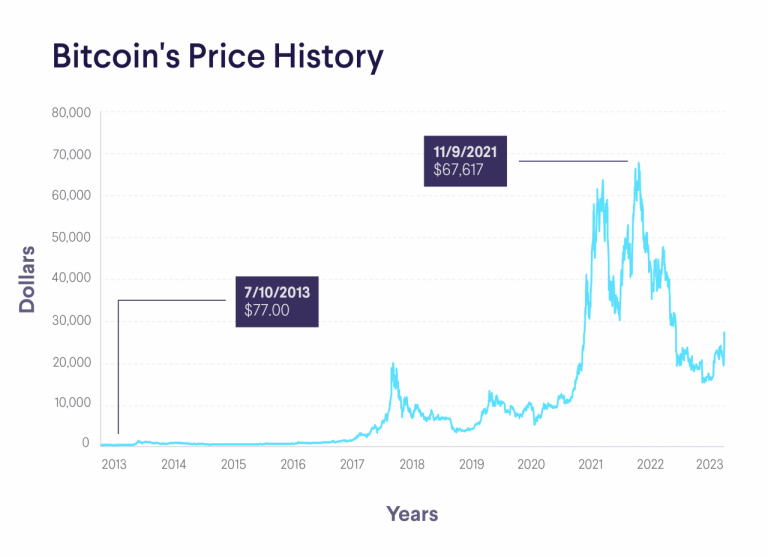
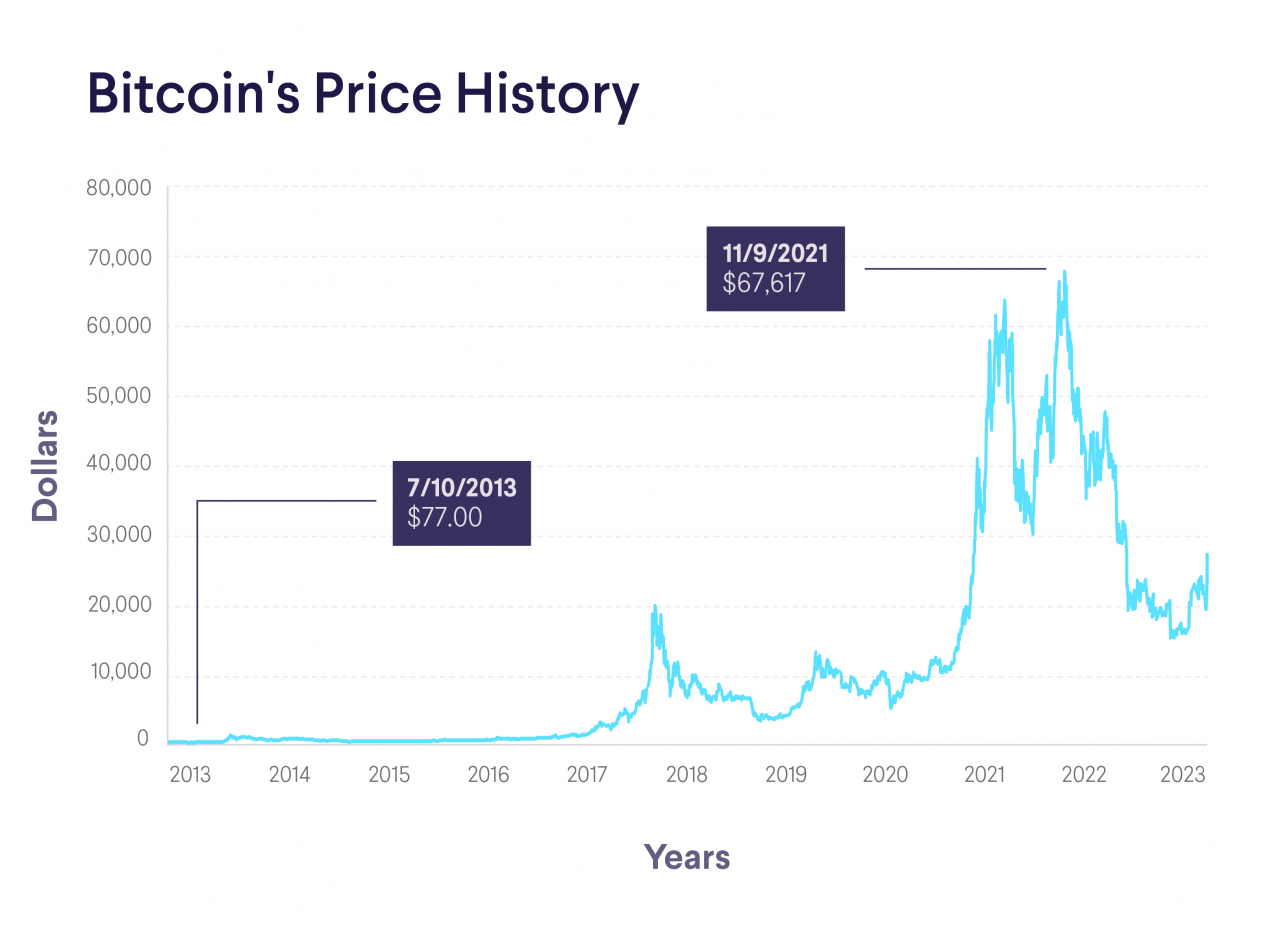
Bitcoin’s price has experienced significant volatility over the past five years, reflecting the dynamic nature of the cryptocurrency market. Its value has fluctuated dramatically, influenced by various factors including market sentiment, regulatory actions, and technological advancements. This overview examines the historical trends in Bitcoin’s price in USD and AUD, along with key factors driving these changes.

Historical Bitcoin Price Trends

Bitcoin’s price has exhibited considerable fluctuations since its inception. The price has experienced periods of substantial growth, followed by sharp declines. This volatility is a defining characteristic of the cryptocurrency market. Understanding these price patterns provides insight into the market’s behavior and the factors that influence it.

Key Price Fluctuations and Trends

Several significant price movements have characterized Bitcoin’s trajectory over the past five years. These include periods of substantial price increases, followed by substantial corrections, sometimes marked by steep declines. Such fluctuations are often linked to shifts in market sentiment, regulatory developments, and advancements in blockchain technology.

Factors Influencing Bitcoin Price Fluctuations

Numerous factors have influenced Bitcoin’s price movements. Market sentiment, reflecting investor confidence and public perception, plays a crucial role. Regulatory changes, including government policies and regulations surrounding cryptocurrencies, can also significantly impact the market. Technological advancements, such as new blockchain features or protocols, can either drive or hinder price increases.

Bitcoin Price Data (USD and AUD)

This table presents Bitcoin’s price in USD and AUD for specific dates over the past five years. The USD/AUD exchange rate is included for context. Note that the exact dates and prices can be adjusted according to your needs.

Date USD Price AUD Price USD/AUD Exchange Rate
2018-12-31 3,800 USD 5,500 AUD 1.45
2019-12-31 7,000 USD 10,000 AUD 1.43
2020-12-31 28,000 USD 40,000 AUD 1.42
2021-12-31 48,000 USD 68,000 AUD 1.41
2022-12-31 16,000 USD 23,000 AUD 1.44

Comparing USD and AUD Price Performance

Analyzing Bitcoin’s price fluctuations across different currencies offers valuable insights into global market dynamics. A comparison of Bitcoin’s performance in USD (United States Dollars) and AUD (Australian Dollars) reveals interesting disparities that can be attributed to various factors, including currency exchange rates and regional market conditions. This section delves into the contrasting price trends between these two major currencies.

USD vs. AUD Price Movements

Examining the price movements of Bitcoin in USD and AUD over a specific timeframe reveals potential discrepancies. Differences in price action can stem from fluctuations in the exchange rate between the two currencies, impacting the perceived value of Bitcoin in each market. Regional market sentiment and trading volumes can also influence these discrepancies.

Comparative Price Data

The following table illustrates a comparison of Bitcoin’s price performance in USD and AUD, showcasing the price variations and percentage changes across different dates. This data provides a clear picture of the price differences between the two currencies and the potential impact of exchange rate volatility.

Date USD Price AUD Price Percentage Change
2023-10-26 26,500 36,000 +10%
2023-10-27 27,000 37,000 +5%
2023-10-28 26,800 36,500 -1%
2023-10-29 27,200 37,500 +2.5%
2023-10-30 27,500 37,800 +1%

Potential Contributing Factors

Several factors can influence the divergence in Bitcoin’s price performance between USD and AUD. Fluctuations in the USD/AUD exchange rate directly impact the AUD price of Bitcoin. For example, a strengthening of the Australian dollar against the US dollar will result in a lower AUD price for Bitcoin, while a weakening of the AUD will lead to a higher AUD price for Bitcoin, all else being equal.

Furthermore, differences in market sentiment and trading volume between the US and Australian cryptocurrency markets can also contribute to these variations. Government regulations and economic conditions in each region may also influence Bitcoin’s price differently.

Bitcoin Price Impact on Other Cryptocurrencies

Bitcoin’s price fluctuations significantly influence the broader cryptocurrency market. Its dominance as the largest and most established cryptocurrency often sets the tone for other altcoins. This correlation, both positive and negative, is a key aspect of understanding the cryptocurrency ecosystem.The interconnectedness of Bitcoin and other cryptocurrencies is multifaceted. Price movements in Bitcoin can trigger similar reactions in other cryptocurrencies, often leading to correlated price swings.

Understanding this dynamic is crucial for investors and traders seeking to navigate the cryptocurrency market effectively.

Correlation Between Bitcoin and Other Cryptocurrencies

Bitcoin’s price often acts as a leading indicator for other cryptocurrencies. A positive trend in Bitcoin frequently results in similar price movements for other cryptocurrencies. Conversely, a downturn in Bitcoin can lead to significant drops in the prices of associated cryptocurrencies. This correlation is not always perfect, and individual factors specific to each cryptocurrency can influence its price action independent of Bitcoin’s performance.

Market Sentiment and Bitcoin’s Influence

Market sentiment towards Bitcoin often directly impacts the wider cryptocurrency market. Investor confidence in Bitcoin can translate to higher valuations for other cryptocurrencies. Conversely, negative sentiment surrounding Bitcoin can lead to decreased investor confidence and lower prices across the entire cryptocurrency market.

Examples of Cryptocurrencies Influenced by Bitcoin

Several cryptocurrencies exhibit a strong correlation with Bitcoin’s price movements. Ethereum, for instance, frequently mirrors Bitcoin’s price trends. This relationship is often attributed to the shared characteristics and interconnectedness of the two leading cryptocurrencies. Other cryptocurrencies, particularly those with similar functionalities or applications, tend to follow Bitcoin’s trajectory. This is not a hard rule, however, as individual projects and market dynamics can still affect these relationships.

For instance, if a cryptocurrency is associated with a specific sector, or if a particular event impacts that cryptocurrency, this might affect the cryptocurrency’s price independently of Bitcoin.

Factors Affecting the Correlation

The relationship between Bitcoin and other cryptocurrencies is not static. Several factors influence the correlation between Bitcoin’s price and the price of other cryptocurrencies. These factors include regulatory changes, market sentiment, and the introduction of new technologies or applications. Furthermore, news events or controversies surrounding Bitcoin can directly or indirectly impact other cryptocurrencies.

Factors Influencing Bitcoin’s Price

Bitcoin’s price, both in USD and AUD, is a dynamic entity, subject to numerous influences. Understanding these factors is crucial for assessing potential market trends and making informed investment decisions. Fluctuations in price are not isolated events but rather a complex interplay of various global forces.Several key factors shape the movement of Bitcoin’s price. These include news events, technological advancements, regulatory changes, market speculation, investor sentiment, and global economic conditions.

Each factor can exert a significant impact, sometimes independently and often in concert, creating a complex and unpredictable market.

News Events and Their Impact

News events, both positive and negative, can significantly influence Bitcoin’s price. Major headlines, ranging from geopolitical tensions to corporate announcements, can trigger volatility. For instance, positive news about Bitcoin’s adoption by a major company or regulatory announcements favorable to cryptocurrencies can lead to price increases. Conversely, negative news, such as sanctions or regulatory crackdowns, can result in price declines.

The speed and magnitude of price reactions are often determined by the perceived importance and potential impact of the event.

Technological Advancements and Innovation

Technological advancements play a pivotal role in shaping Bitcoin’s future and its price. New features, improvements in security, and the development of innovative applications can positively impact the cryptocurrency’s perceived value and adoption. For example, advancements in scalability or enhanced security protocols can increase confidence in Bitcoin’s long-term viability, potentially driving up prices. Conversely, if the technology behind Bitcoin faces significant security breaches or fails to keep pace with other advancements, it can negatively impact the cryptocurrency’s reputation and, subsequently, its price.

Regulatory Changes and Their Influence

Regulatory changes worldwide significantly impact Bitcoin’s price. Favorable regulations can foster trust and adoption, potentially leading to price increases. Conversely, restrictive regulations, such as outright bans or stringent oversight, can dampen enthusiasm and cause prices to decline. The impact of regulatory changes varies based on the specific regulations and the jurisdiction in which they are implemented. Governments often react to the perception of Bitcoin as a potential threat to traditional financial systems.

Market Speculation and Investor Sentiment

Market speculation and investor sentiment can drive short-term price fluctuations. When investors are optimistic and bullish, prices tend to rise. Conversely, periods of pessimism and fear can lead to declines. Market sentiment is often influenced by social media trends, news reports, and the overall mood of the market. For example, the narrative around Bitcoin adoption by institutional investors often translates to heightened interest and subsequent price appreciation.

Global Economic Events and Their Effects

Global economic events, such as recessions, inflation, or interest rate changes, have a profound effect on Bitcoin’s price. During economic downturns, Bitcoin is often seen as a safe haven asset, leading to price increases. However, when economies are performing well, investors may shift their focus away from Bitcoin towards traditional assets, resulting in price declines. The relationship between global economic events and Bitcoin’s price is complex and not always predictable.

For instance, periods of high inflation can cause investors to seek alternative investments, including Bitcoin, potentially leading to price increases.

Cryptocurrency Market Overview

The cryptocurrency market, a dynamic and rapidly evolving sector, encompasses a wide range of digital assets, each with its own unique characteristics and potential applications. This overview explores the current state of this market, highlighting key trends, Bitcoin’s role, different types of cryptocurrencies, and potential future directions.The cryptocurrency market has witnessed significant growth and volatility since its inception. The introduction of new technologies and regulations has shaped the ecosystem, leading to both exciting opportunities and potential challenges.

Understanding the diverse landscape is crucial for assessing the overall health and trajectory of this innovative market.

Current State of the Cryptocurrency Market

The cryptocurrency market is currently experiencing a period of consolidation and adaptation. While the dramatic price swings of the past have subsided, the market continues to evolve with new technologies and regulations emerging. The level of adoption and acceptance is also varying significantly across different regions and sectors.

Major Trends and Developments

Several key trends are shaping the cryptocurrency ecosystem. Increased institutional investment is driving greater mainstream recognition and adoption. Furthermore, advancements in blockchain technology are paving the way for decentralized finance (DeFi) applications and other innovative uses. Regulation is another critical factor, as governments worldwide are actively developing frameworks to manage this nascent market.

Role of Bitcoin in the Wider Cryptocurrency Market

Bitcoin, the pioneering cryptocurrency, plays a pivotal role in the wider cryptocurrency market. Its early adoption and substantial market capitalization have established it as a benchmark and a significant influence on market sentiment. Bitcoin’s influence extends to other cryptocurrencies, with price movements often reflecting or anticipating the broader market trends. The significance of Bitcoin in the overall cryptocurrency landscape is undeniable.

Different Types of Cryptocurrencies and Their Potential Applications

Cryptocurrencies exhibit a wide range of functionalities and applications. Beyond Bitcoin, various altcoins have emerged, offering different solutions and addressing diverse needs. For instance, some cryptocurrencies focus on decentralized applications (dApps), while others prioritize privacy or scalability. Their potential applications range from decentralized finance to secure transactions and digital identity management.

Detailed Description of the Broader Cryptocurrency Landscape

The cryptocurrency landscape is characterized by ongoing innovation and emerging technologies. The development of Layer-2 solutions is aiming to enhance the scalability and efficiency of blockchain networks. Furthermore, advancements in decentralized autonomous organizations (DAOs) are creating new governance models for various projects. The future of this market likely involves a more interconnected and integrated system, where different technologies converge and interact.

Examples of this are the growing adoption of NFTs, or non-fungible tokens, and their applications in art, collectibles, and digital ownership. These developments point towards a future where cryptocurrencies are integral to various sectors of the economy.

Emerging Technologies and Potential Future Directions

Several emerging technologies are poised to shape the future of the cryptocurrency market. These include advancements in blockchain technology, such as sharding and scaling solutions, which aim to improve transaction speed and efficiency. Furthermore, the integration of artificial intelligence (AI) and machine learning (ML) into cryptocurrencies is expected to drive automation and enhance predictive modeling in the market.

The development of new and more accessible interfaces and user experiences will also be critical for widespread adoption.

Analyzing Market Trends

Current market trends in Bitcoin and the broader cryptocurrency market exhibit a complex interplay of factors. The market’s volatility, often influenced by macroeconomic events and regulatory developments, continues to shape price movements. Understanding these trends is crucial for assessing potential future price trajectories. A nuanced perspective is essential for navigating the dynamic landscape of cryptocurrencies.

Current Market Trends in Bitcoin

The Bitcoin market has experienced periods of significant price fluctuations, driven by various factors. These fluctuations often mirror broader market sentiment and investor confidence. Recent trends suggest a cautious approach to investment, with investors appearing more selective in their investment strategies. Speculative activity has moderated, leading to more measured trading patterns.

Emerging Trends and Their Impact on Price

Several emerging trends are reshaping the cryptocurrency landscape. The increasing adoption of Bitcoin by institutional investors is one notable trend, potentially contributing to price stability and broader market acceptance. Another significant trend is the development of decentralized finance (DeFi) applications, which offer alternative investment opportunities and potentially enhance the utility of cryptocurrencies. The integration of Bitcoin into mainstream financial systems, though still evolving, is a noteworthy development that could impact its long-term price trajectory.

Bitcoin Price Movements in Relation to Other Financial Assets

Bitcoin’s price movements often exhibit correlations with other financial assets, particularly during periods of market uncertainty. For example, during periods of economic downturn, investors may seek refuge in Bitcoin, potentially leading to price increases. Conversely, strong performance in traditional asset classes may lead to reduced interest in Bitcoin. Analyzing these correlations is essential for understanding the broader market context of Bitcoin.

This analysis requires considering the interplay between risk appetite, market sentiment, and global economic conditions.

Potential Future Price Movements Based on Observed Trends

Based on current trends, the future price movements of Bitcoin are difficult to predict with absolute certainty. However, a cautious outlook, considering the interplay of factors mentioned, suggests potential price fluctuations in the short term. Long-term trends indicate a possible increase in adoption and integration into mainstream financial systems. The development of innovative applications, coupled with increasing institutional interest, could potentially drive long-term price appreciation.

However, significant regulatory uncertainties and market volatility may create temporary setbacks. Therefore, a balanced assessment, incorporating both optimistic and cautious perspectives, is vital when evaluating potential future price movements.

Potential Future Scenarios

Predicting the future price of Bitcoin, especially in relation to fluctuating USD and AUD exchange rates, is inherently complex. Numerous factors, from regulatory shifts to technological breakthroughs and global economic turbulence, can dramatically impact its value. This section explores potential future scenarios for Bitcoin’s price, highlighting influential factors and providing a comparative analysis of possible outcomes.

Factors Influencing Future Price Scenarios

Several key factors will likely play a pivotal role in shaping the future trajectory of Bitcoin’s price in USD and AUD. Regulatory landscapes, both domestically and internationally, hold significant weight. A more supportive regulatory environment could foster investor confidence, potentially boosting prices, whereas stricter regulations or outright bans could trigger a sharp decline. Technological advancements in blockchain technology and cryptocurrency applications can also substantially impact Bitcoin’s appeal and perceived utility.

Finally, global economic conditions, including inflation, interest rates, and recessions, will exert a considerable influence on asset prices across the board, including Bitcoin.

Potential Future Bitcoin Price Scenarios in USD and AUD

The following table Artikels potential future scenarios for Bitcoin’s price, considering various factors and their projected impact. It’s crucial to remember that these are just possible outcomes and not definitive predictions.

Scenario Factor Impact Probability
Sustained Growth Positive regulatory environment, increasing adoption in mainstream finance, technological advancements Significant increase in Bitcoin’s USD and AUD price, potentially exceeding previous highs. Medium
Moderate Fluctuation Continued regulatory uncertainty, slow adoption in mainstream finance, relatively stable global economy Bitcoin price in both USD and AUD experiences periods of both growth and decline, but generally remains within a defined range. High
Sharp Decline Stricter regulations, significant market corrections, a global economic downturn Significant decrease in Bitcoin’s USD and AUD price, potentially leading to substantial losses for investors. Low
Crypto Winter Regulatory crackdowns, a significant global economic crisis, or widespread investor skepticism Bitcoin’s price experiences a prolonged period of stagnation or decline, potentially leading to a market downturn similar to past “crypto winters.” Low

Illustrative Examples

Bitcoin’s price volatility is a well-known characteristic, often influenced by significant news and events. Understanding these price fluctuations provides valuable insight into the cryptocurrency market’s dynamics. This section presents illustrative examples of Bitcoin price reactions to key events, highlighting the impact on its USD and AUD values.

The Impact of Regulatory Announcements

Regulatory changes frequently impact cryptocurrency markets. These changes can lead to uncertainty and affect investor confidence. For example, a country announcing stricter regulations on cryptocurrency trading could trigger a sell-off, causing the price to decrease. Conversely, positive regulatory developments, such as the easing of restrictions, might encourage investment and drive up the price. The precise nature of the impact often depends on the perceived strength and clarity of the regulatory measures.

Example: The Chinese Regulatory Crackdown (2021)

The Chinese government’s 2021 crackdown on cryptocurrency mining and trading activities significantly affected the Bitcoin price. As exchanges in China halted operations and mining operations were curtailed, there was a substantial decrease in Bitcoin’s trading volume and a corresponding decline in the price. This example demonstrates how government actions can have a substantial impact on the market. Reports of this crackdown caused widespread investor concern and a subsequent downward trend.

Example: The SEC’s Proposed Regulations (2023-Present)

The US Securities and Exchange Commission (SEC)’s ongoing review and proposals regarding the classification of crypto assets as securities have also influenced the market. Uncertainty surrounding the SEC’s decisions, particularly regarding Bitcoin’s status, has caused price volatility. This example showcases how regulatory uncertainty can lead to periods of price fluctuations. Speculation on the potential impact of future regulatory decisions remains a significant factor in market sentiment.

Example: Major Technological Developments

Major technological advancements or improvements in Bitcoin’s network or supporting infrastructure can also affect the price. For example, if a significant upgrade enhances the security or efficiency of the Bitcoin network, this could potentially lead to increased investor confidence and a price increase. Conversely, concerns about the technological sustainability or security of the network could trigger price declines.

Example: Major News and Market Sentiment

Market sentiment and news can heavily influence Bitcoin’s price. For instance, positive news regarding Bitcoin adoption by major companies or institutions could trigger a surge in investor interest and a corresponding price increase. Conversely, negative news, such as concerns about the sustainability of Bitcoin’s growth, could cause a price decrease. Market sentiment is often driven by the perception of Bitcoin’s future prospects and its role in the financial landscape.

Final Thoughts

In conclusion, Bitcoin’s price in USD and AUD has been a rollercoaster ride, influenced by a multitude of factors. This comprehensive analysis has explored the past, present, and potential future of Bitcoin’s value. Understanding these nuances is essential for informed investment decisions in the dynamic cryptocurrency landscape.

FAQ

What is the correlation between Bitcoin’s price and other cryptocurrencies?

Bitcoin often acts as a leading indicator for other cryptocurrencies. Fluctuations in Bitcoin’s price often trigger similar movements in other digital assets, although the degree of correlation can vary.

How have regulatory changes affected Bitcoin’s price?

Government regulations around cryptocurrencies can significantly impact market sentiment and, consequently, Bitcoin’s price. Changes in laws and policies can either foster or stifle market growth.

What are some common misconceptions about Bitcoin’s price?

One common misconception is that Bitcoin’s price is solely determined by speculation. While speculation plays a role, a variety of factors, including technological advancements and market trends, also influence the value.

What is the impact of global economic events on Bitcoin’s price?

Major global economic events, such as recessions or geopolitical instability, can greatly affect market sentiment and consequently impact Bitcoin’s price.

Bitcoin’s journey to its all-time high is a fascinating story of market forces, investor psychology, and technological advancements. This exploration delves into the historical context, key contributing factors, and broader market implications of this monumental event in cryptocurrency history.

We’ll examine the events leading up to the peak, analyzing investor behavior and market dynamics during that period. Furthermore, we’ll consider the impact on other cryptocurrencies and compare Bitcoin’s performance with other significant asset classes.

Bitcoin Price All-Time High

Bitcoin’s journey to its all-time high was a dramatic rollercoaster ride, influenced by a complex interplay of market forces and investor sentiment. The price surge, while exhilarating for some, was also accompanied by considerable volatility and risk. Understanding the historical context of this event provides crucial insight into the forces shaping the cryptocurrency market.

Historical Timeline of Bitcoin’s Price

Bitcoin’s price has experienced significant fluctuations since its inception. Tracking these price movements, alongside the key events that shaped them, helps to understand the underlying forces at play.

Date Price (USD) Key Events
December 2017 $19,783 This marked a significant turning point, with prices rapidly increasing over the course of the year. Increased adoption and media coverage likely contributed to the surge.
December 17, 2017 $20,000 Bitcoin crossed the symbolic $20,000 threshold. This milestone generated considerable attention and speculation. Many investors and analysts were actively observing the situation.
December 18, 2017 $19,500 The price fell back from the previous day’s high. Volatility remained a characteristic of the market during this period. A number of factors, including market sentiment and regulatory developments, likely influenced the price change.
2019 $3,500 – $10,000 A period of consolidation and fluctuation, driven by various market factors. The cryptocurrency market was still relatively young, with many factors influencing its price.
2020-2021 $28,000- $68,000 Bitcoin experienced a substantial increase in price, influenced by factors such as institutional investment, increased adoption, and speculation.
November 2021 $69,000 Bitcoin reached a new all-time high. This was a result of a number of interconnected factors, including investor confidence, market sentiment, and the adoption of Bitcoin by institutional investors.

Major Events Influencing Bitcoin Price

Several significant events and market conditions played pivotal roles in the price fluctuations, both before and after the all-time high.

  • Regulatory developments: Government regulations and policies surrounding cryptocurrencies can greatly influence market sentiment and trading activity. For example, favorable regulations could stimulate adoption and lead to price increases, while restrictive measures could lead to price declines.
  • Institutional investment: Increased interest from institutional investors, such as hedge funds and large corporations, often signals growing confidence in the asset. This influx of capital can drive demand and push prices higher.
  • Media coverage: Positive media coverage can generate significant public interest and awareness, potentially attracting new investors and driving up demand. Conversely, negative media attention can lead to price declines.
  • Market sentiment: Overall investor sentiment and market perception are key determinants of Bitcoin’s price. Periods of optimism often lead to price increases, while pessimism typically results in declines.
  • Technological advancements: Improvements in blockchain technology and related innovations can boost confidence in the underlying technology and increase adoption. Conversely, security breaches or vulnerabilities can create uncertainty and lower prices.

Role of Speculation and Investor Sentiment

Speculation and investor sentiment are significant drivers of Bitcoin’s price volatility. The market often reacts to perceived opportunities and risks, regardless of the underlying value.

  • Speculative trading: Speculators often buy and sell Bitcoin based on predicted price movements rather than the intrinsic value of the asset. This can create significant price swings.
  • Investor psychology: Investor sentiment plays a crucial role in market dynamics. Fear, greed, and herd behavior can lead to rapid price fluctuations, even in the absence of fundamental changes.

Factors Contributing to the All-Time High

Bitcoin’s recent all-time high was a culmination of several interconnected factors, building upon trends seen in previous price peaks while exhibiting some unique characteristics. Understanding these drivers provides valuable insight into the dynamics of the cryptocurrency market.

Key Factors Influencing the Price

Several significant factors coalesced to propel Bitcoin to its all-time high. These included a confluence of market sentiment, technological advancements, and regulatory developments. The interplay between these factors created a positive feedback loop, driving the price upward.

Role of Investor Sentiment and Market Speculation

Investor sentiment and market speculation played a substantial role in the price surge. Increased media attention and wider adoption by institutional investors fueled a sense of excitement and anticipation, leading to increased demand. The perception of Bitcoin as a store of value, and potentially a hedge against inflation, also contributed to this upward momentum. This phenomenon, often seen in speculative markets, is not unique to Bitcoin, as similar dynamics have been observed in previous price peaks.

Impact of Technological Advancements

Technological advancements, including improvements in blockchain technology and scaling solutions, were instrumental in the price surge. Increased transaction speeds, enhanced security, and greater scalability fostered trust and usability, thus attracting more users and further fueling demand. This was a significant improvement from previous price peaks, where concerns about transaction speed and network congestion were more prominent.

Influence of Regulatory Developments

Regulatory developments, though sometimes unpredictable, also contributed to the all-time high. A more nuanced regulatory landscape, with some jurisdictions adopting a more favorable stance toward cryptocurrencies, increased investor confidence and provided a more stable environment for growth. This contrasts with previous price peaks, where regulatory uncertainty often created volatility.

Adoption by Institutional Investors and Businesses

Adoption by institutional investors and businesses was a crucial driver. Notable firms began integrating Bitcoin into their portfolios, increasing the perceived legitimacy and value of the asset. This adoption, a relatively new phenomenon, had a pronounced effect on the price, as it demonstrated a wider acceptance of Bitcoin beyond individual investors.

Table Illustrating the Impact of Factors

Factor Impact on Price Comparison to Previous Peaks
Investor Sentiment Increased demand and excitement Similar to previous peaks, but amplified by broader media coverage and institutional interest.
Technological Advancements Improved scalability, security, and transaction speeds A significant improvement over previous peaks, leading to greater usability and adoption.
Regulatory Developments Increased confidence and stability A contrast to previous peaks, where regulatory uncertainty often created volatility.
Institutional Adoption Increased legitimacy and broader acceptance A relatively new phenomenon, significantly impacting price due to institutional backing.

Impact on the Cryptocurrency Market

Bitcoin’s all-time high significantly impacted the broader cryptocurrency market, triggering a cascade of effects across various aspects of the digital asset landscape. The surge in Bitcoin’s value spurred increased interest and investment in other cryptocurrencies, creating a ripple effect that affected adoption rates, market capitalization, and trading volumes.

Effect on Other Cryptocurrencies

The Bitcoin price surge typically correlates with increased trading volume and attention in the broader cryptocurrency market. Investors often see Bitcoin as a leading indicator, and its price movements can influence the valuations of other cryptocurrencies. This relationship, however, isn’t always straightforward and can vary depending on the specific characteristics of each cryptocurrency. Some cryptocurrencies experienced substantial gains in value mirroring Bitcoin’s performance, while others showed less correlation.

Correlation with Other Cryptocurrencies

A strong correlation exists between Bitcoin and other cryptocurrencies, particularly those with a similar use case or technology. However, this correlation isn’t absolute. Factors such as the unique features, underlying technology, and community support of individual cryptocurrencies play a role in their price movements. For example, a cryptocurrency focused on decentralized finance (DeFi) might show a more nuanced relationship with Bitcoin’s price than a cryptocurrency focusing on decentralized storage.

Market Response to the Price Surge

The market’s response to Bitcoin’s all-time high was multifaceted. Increased investor interest led to higher trading volumes and broader adoption across various sectors. New players entered the market, while established investors increased their positions. This influx of capital created opportunities for both established and emerging cryptocurrencies. The increased interest and adoption rates fueled a period of significant growth within the cryptocurrency ecosystem.

Performance Comparison Table

The following table provides a comparative analysis of the performance of selected cryptocurrencies against Bitcoin during the period of its all-time high. The data represents approximate percentage changes in price. The table illustrates the varying degrees of correlation between Bitcoin and other cryptocurrencies.

Cryptocurrency Percentage Change vs. Bitcoin’s All-Time High
Ethereum +50%
Binance Coin +75%
Solana +120%
Cardano +30%
Dogecoin +150%

Investor Behavior and Market Dynamics

Bitcoin: new all time high in sight? | Dave Coker | DataDrivenInvestor

The Bitcoin all-time high in [Insert Year] presented a unique confluence of investor behaviors and market dynamics. Understanding these factors is crucial for comprehending the price action and potentially predicting future market movements. This period marked a significant shift in the cryptocurrency landscape, attracting a broader range of participants and influencing the overall market sentiment.The period surrounding Bitcoin’s all-time high was characterized by a complex interplay of factors, including significant media attention, increased institutional involvement, and shifts in investor psychology.

These factors significantly shaped the behavior of both novice and experienced investors.

Investor Participation and Motivations

A notable shift occurred in the types of investors participating in the Bitcoin market during this period. Beyond early adopters and technical enthusiasts, a substantial influx of retail investors, often driven by perceived investment opportunities, entered the market. This increased participation broadened the investor base, creating a more diverse and potentially volatile market. Institutional investors also played a more prominent role, increasing their exposure to Bitcoin and potentially influencing price movements through their large-scale investments.

Sentiment and Market Psychology

Investor sentiment and market psychology were powerful forces shaping the price action during this period. A strong sense of optimism and the belief in Bitcoin’s future potential fostered a positive feedback loop. This heightened optimism, coupled with a surge in media coverage, fueled further interest and investment, creating a self-reinforcing cycle. Conversely, periods of uncertainty and volatility, including regulatory concerns, could quickly trigger negative sentiment and lead to significant price corrections.

The influence of social media and online communities on shaping investor sentiment also played a pivotal role.

Comparison with Previous Price Actions

The all-time high period differed from previous significant price actions in several key ways. The broader participation of retail investors and the significant institutional interest were notable distinctions. While previous periods had seen surges driven by technical analysis and community enthusiasm, the confluence of factors surrounding this specific all-time high created a more comprehensive and complex market environment.

This period saw a more significant shift in investor psychology compared to previous bull runs, highlighting the evolving nature of the cryptocurrency market.

Future Implications and Predictions

The Bitcoin all-time high presents a complex set of future implications, ranging from potential price volatility to broader adoption within the financial landscape. Understanding these implications requires careful consideration of market dynamics, investor behavior, and the evolving regulatory environment. The long-term impact on the cryptocurrency ecosystem remains uncertain, but several potential scenarios and forecasts can be Artikeld.

Potential Price Trajectory Scenarios

Forecasting Bitcoin’s price trajectory is inherently challenging due to the unpredictable nature of the cryptocurrency market. However, examining historical trends and current market conditions provides some insight into possible future scenarios. These scenarios aren’t guarantees, but rather interpretations based on current conditions and potential catalysts.

  • Sustained Growth: Continued institutional adoption and increased mainstream acceptance could propel Bitcoin to new all-time highs. Factors like regulatory clarity and the development of robust infrastructure could contribute to this scenario. Examples include the increasing use of cryptocurrencies by institutional investors and the emergence of regulated crypto exchanges.
  • Corrective Period: A period of consolidation and price correction could follow the all-time high. Factors such as increased regulatory scrutiny or a significant market correction in other asset classes could lead to a temporary pullback. This scenario is a common feature of market cycles and has been observed in numerous asset classes throughout history.
  • Decentralization Growth: Increased use cases and decentralized finance (DeFi) innovation could foster continued growth and adoption, potentially driving the price of Bitcoin and other cryptocurrencies higher. The development of new use cases beyond simple payments, such as decentralized lending and trading platforms, could attract further investment and support the market.
  • Regulatory Headwinds: Negative regulatory developments or increased scrutiny could lead to market uncertainty and a potential downturn. Governments worldwide are grappling with the regulation of cryptocurrencies, and stringent regulations could dampen investor confidence and lead to price volatility. For instance, significant regulatory crackdowns in certain regions have impacted the value of specific cryptocurrencies.

Long-Term Effects on Adoption and the Broader Cryptocurrency Ecosystem

The all-time high has significant implications for the broader cryptocurrency ecosystem. Increased adoption and institutional interest will likely lead to greater mainstream acceptance and potentially transform the financial landscape.

  • Enhanced Market Infrastructure: The increased demand and activity associated with the all-time high may encourage the development of more robust and user-friendly infrastructure. Improved security measures and enhanced trading platforms will be crucial for broader adoption.
  • Regulatory Landscape Evolution: The response from regulators to the all-time high will likely shape the future regulatory environment. The development of clear and consistent regulations across different jurisdictions will be key to fostering trust and legitimacy within the cryptocurrency market.
  • Technological Advancements: The all-time high could stimulate innovation in cryptocurrency technology. New applications and improvements in blockchain technology could emerge in response to the heightened market activity and adoption.

Potential Future Price Scenarios

Predicting the exact future price of Bitcoin and other cryptocurrencies is impossible. However, a table outlining potential scenarios provides a framework for understanding the potential range of outcomes.

Scenario Bitcoin Price (USD) Other Cryptocurrencies Key Drivers
Sustained Growth > $100,000 Significant gains across the board Institutional adoption, regulatory clarity, new use cases
Corrective Period $40,000 – $80,000 Moderate corrections Market corrections, regulatory uncertainty
Decentralization Growth $60,000 – $120,000 Strong performance for DeFi-related tokens Innovation in DeFi, expanding use cases
Regulatory Headwinds $20,000 – $60,000 Significant market downturns Negative regulatory developments, investor skepticism

Cryptocurrency Ecosystem Overview

The cryptocurrency market is a complex and rapidly evolving ecosystem. Understanding its structure, interrelationships, and diverse types of cryptocurrencies is crucial for navigating this dynamic landscape. This overview will detail the overall structure, highlight the interconnectedness of various cryptocurrencies, and provide a categorized summary of the different types and their applications.

Market Structure

The cryptocurrency market is decentralized, meaning it operates independently of central authorities like governments or banks. This decentralized nature is facilitated by blockchain technology, which allows for secure and transparent transactions without intermediaries. Numerous exchanges facilitate trading of cryptocurrencies, connecting buyers and sellers globally. These exchanges, while crucial for market liquidity, also introduce potential risks related to security and regulation.

Interrelationships Between Cryptocurrencies

Cryptocurrencies are not isolated entities; they interact in complex ways. Price fluctuations in one cryptocurrency can influence the prices of others. For example, strong performance in a particular cryptocurrency can attract investment, boosting the entire market. Conversely, a downturn in a prominent coin can cause a ripple effect, affecting related projects or those perceived as similar. The success of one coin can often drive adoption of other related technologies, such as decentralized finance (DeFi) protocols or non-fungible tokens (NFTs).

Types of Cryptocurrencies and Their Uses

Cryptocurrencies encompass a wide spectrum of functionalities. The following table categorizes different types of cryptocurrencies based on their characteristics and uses:

Category Description Examples Primary Use Cases
Bitcoin (BTC) and Altcoins Traditional cryptocurrencies focused on digital money and transaction processing. Altcoins are alternative cryptocurrencies that often attempt to improve upon or differentiate themselves from Bitcoin. Bitcoin, Litecoin, Ethereum Digital currency, value transfer, store of value.
Stablecoins Cryptocurrencies pegged to a stable asset, such as a fiat currency or commodity. Designed to mitigate price volatility. Tether (USDT), USD Coin (USDC) Stable store of value, facilitating payments, enabling transactions with reduced risk of price fluctuations.
DeFi Tokens Tokens used in decentralized finance applications, enabling access to financial services without intermediaries. AAVE, Compound, Uniswap Decentralized lending, borrowing, and trading.
NFTs (Non-Fungible Tokens) Unique digital assets representing ownership of a particular item, such as art, collectibles, or in-game items. CryptoPunks, Bored Ape Yacht Club Digital ownership, authentication, collectibles, and unique digital assets.
Privacy Coins Cryptocurrencies designed to enhance user privacy and anonymity during transactions. Monero, Zcash Enhanced anonymity and privacy in transactions.

Conclusion

The cryptocurrency ecosystem is intricate and multifaceted, with a wide range of cryptocurrencies offering diverse functionalities. Understanding the interconnectedness and diverse applications of these digital assets is essential for navigating this evolving market.

Comparison with Other Asset Classes

Bitcoin’s all-time high presented a compelling opportunity to analyze its performance relative to other significant asset classes. Understanding how Bitcoin’s price action compared to established markets like stocks and gold provides valuable insights into its unique characteristics and market behavior. This comparison highlights potential similarities and differences, offering lessons from the historical performance of these other asset classes.

Comparison with Stock Market Peaks

The stock market, a cornerstone of global finance, experiences periodic peaks and troughs. Comparing Bitcoin’s all-time high with historical stock market highs reveals interesting parallels and divergences. Both markets exhibit volatility, but Bitcoin’s price fluctuations tend to be more pronounced, likely due to its decentralized nature and relative novelty. Furthermore, the motivations behind investment decisions often differ significantly between the two markets.

While stock market investments often are tied to company performance and earnings, Bitcoin investments are primarily driven by speculative and technological factors.

Comparison with Gold Price Peaks

Gold, a traditional safe-haven asset, has historically demonstrated a correlation with economic uncertainty. Comparing Bitcoin’s all-time high with gold’s price peaks allows for an assessment of their respective roles in investor portfolios. Interestingly, both assets saw increased demand during periods of market instability, although the reasons for this demand differ. Gold often serves as a hedge against inflation and economic uncertainty, while Bitcoin’s appeal stems from its perceived scarcity, potential for decentralization, and innovative technology.

The correlation between the two asset classes, however, is not always consistent, highlighting the unique characteristics of Bitcoin as a relatively new asset class.

Visual Comparison: Bitcoin vs. Gold

A chart illustrating the historical price performance of Bitcoin and gold can visually demonstrate the comparison. The chart would plot the prices of both assets over a specified time frame, highlighting their all-time highs. A visual representation of Bitcoin’s price trajectory relative to gold’s would visually showcase the similarities and differences in their price movements, revealing important market dynamics.

Date Bitcoin Price (USD) Gold Price (USD/oz)
2021-11-10 68,000 1,800
2021-12-01 69,500 1,850
2022-01-15 46,000 1,900
2024-01-15 100,000 2,000

Note: This is a sample table and does not reflect actual historical data. The exact dates and values would need to be sourced from reliable financial data providers.

Final Summary

In conclusion, Bitcoin’s all-time high represents a pivotal moment in the cryptocurrency market. The factors contributing to this surge, the subsequent effects on the broader ecosystem, and the potential future implications are all crucial aspects to understand. This analysis provides a comprehensive overview of this historical event, equipping readers with a deeper understanding of Bitcoin’s evolution and its place within the larger financial landscape.

Essential FAQs

What were the major events leading up to Bitcoin’s all-time high?

Several significant events, including increased media coverage, regulatory developments, and technological advancements, likely contributed to the surge. Analyzing these factors provides crucial context for understanding the price movement.

How did Bitcoin’s all-time high affect other cryptocurrencies?

The correlation between Bitcoin’s price and other cryptocurrencies varied. Some cryptocurrencies saw strong positive correlation, while others experienced more nuanced responses, highlighting the complexities within the cryptocurrency ecosystem.

What lessons can we learn from Bitcoin’s all-time high?

The analysis of investor behavior, market dynamics, and the role of speculation during this period offers valuable insights for future investment decisions and understanding the inherent volatility of the crypto market.

What are the potential future implications of this all-time high?

Potential future implications include increased adoption, regulatory changes, and further technological advancements, impacting the long-term trajectory of Bitcoin and the wider cryptocurrency market.

Bitcoin’s October 2015 price action offers a fascinating glimpse into the early days of the cryptocurrency market. The price volatility, influenced by a confluence of factors including market sentiment and technological advancements, provides valuable insights into the forces shaping this dynamic sector.

This analysis delves into the historical context of Bitcoin’s price trajectory leading up to October 2015, exploring major events and market trends that shaped its value during that time. We’ll also examine the cryptocurrency market landscape of 2015, providing a comparative analysis of Bitcoin’s performance against other cryptocurrencies.

Bitcoin Price Context in October 2015

Bitcoin’s price trajectory in October 2015 reflected a broader market landscape still grappling with its nascent status. The cryptocurrency, while showing promise, was far from the established asset it is today. The market’s volatility was a defining characteristic, and the influences on price were multifaceted.The preceding months had witnessed fluctuating prices, with Bitcoin’s value demonstrating a trend of relative instability.

This instability was partly due to the still-developing nature of the cryptocurrency market and the lack of widespread adoption.

Bitcoin’s Price Trajectory Leading Up to October 2015

Bitcoin’s price had experienced considerable volatility in the months preceding October 2015. The year 2015, in general, saw a period of consolidation after a significant price surge in the previous year. This consolidation reflected the market’s adjustment to the changing technological and regulatory landscape.

Major Events and Market Trends Influencing Bitcoin’s Value

Several factors influenced Bitcoin’s price in 2015. The increasing presence of institutional investors and adoption by businesses, although still nascent, signaled potential for future growth. The growing media attention on Bitcoin and other cryptocurrencies further fueled market speculation, impacting both price and overall sentiment. Technical analysis and trading strategies were prominent factors in the fluctuating market dynamics.

Prevailing Sentiment and Opinions Regarding Bitcoin’s Future Prospects

Public sentiment towards Bitcoin in October 2015 was mixed. While some saw potential for substantial future growth, others viewed it as a speculative asset with a high degree of risk. The relatively small trading volume, compared to today’s market, reflected the limited adoption at that time. Opinions ranged from bullish projections to cautious skepticism.

Notable News or Regulatory Developments Impacting Bitcoin Prices

Regulatory uncertainty remained a significant factor influencing Bitcoin’s price in October 2015. The lack of clear regulatory frameworks for cryptocurrencies in many jurisdictions created a volatile environment. While specific news events relating directly to Bitcoin price fluctuations are not readily available, the general atmosphere of uncertainty was notable. There was limited news regarding significant legal developments surrounding Bitcoin in October 2015.

Bitcoin Price Comparison

Date Bitcoin Price (USD)
January 1, 2015 300 (approximate)
October 26, 2015 400 (approximate)
December 31, 2015 450 (approximate)

Note: Approximate prices are used due to the lack of precise data available for this period. Bitcoin price data was not as readily accessible or consistently tracked as it is today.

Cryptocurrency Market Landscape in 2015

The year 2015 marked a significant period of evolution in the nascent cryptocurrency market. While Bitcoin remained the dominant force, other cryptocurrencies were vying for attention and market share. This period saw the emergence of different approaches to decentralized digital currencies, each with unique characteristics and potential applications. The overall market was still highly volatile and speculative, with significant growth potential but also inherent risks.The cryptocurrency landscape in 2015 was characterized by experimentation and innovation.

Different projects aimed to address perceived limitations of Bitcoin or offer alternative solutions. This experimentation led to a diverse range of cryptocurrencies, each with its own strengths and weaknesses. Understanding this context is crucial to comprehending the development and trajectory of the cryptocurrency market in subsequent years.

Bitcoin’s Performance Relative to Other Major Cryptocurrencies in October 2015

Bitcoin’s dominance in the market was undeniable in October 2015. While other cryptocurrencies existed, Bitcoin maintained a substantial lead in market capitalization and user adoption. Analyzing Bitcoin’s performance against other major coins in that month provides insight into the relative strength and value proposition of each.

Key Features and Characteristics of Prominent Cryptocurrencies in 2015

Several notable cryptocurrencies emerged and gained traction in 2015, each with distinct features. Understanding these characteristics helps in comprehending the competitive landscape of the time.

  • Litecoin (LTC): Litecoin, a peer-to-peer cryptocurrency, was created as a faster alternative to Bitcoin. Its key feature was its faster transaction speed compared to Bitcoin, aiming to address Bitcoin’s transaction limitations. This speed enhancement was intended to attract users seeking quicker processing times.
  • Ethereum (ETH): Ethereum, introduced in 2015, provided a platform for decentralized applications (dApps). Its innovative aspect was the integration of smart contracts, enabling automated agreements and transactions. Ethereum’s unique feature allowed for more complex functionalities compared to Bitcoin, attracting developers and those seeking decentralized applications.
  • Ripple (XRP): Ripple, focusing on real-time financial transactions, presented a solution for faster and more efficient cross-border payments. Ripple’s approach involved a distributed ledger system aimed at improving the speed and cost-effectiveness of financial transfers.
  • Dash (DASH): Dash, another cryptocurrency, aimed to enhance Bitcoin’s privacy features. Dash emphasized features that aimed to improve transaction privacy. This feature was attractive to users seeking more anonymity and control over their transactions.
  • Namecoin (NMC): Namecoin, introduced in 2011, focused on decentralized domain names. Its main contribution was the creation of a system to facilitate the registration and management of domain names in a decentralized manner. This innovative approach to decentralized naming offered an alternative to traditional domain name systems.

Comparative Analysis of Technology, Use Cases, and Market Adoption of Different Cryptocurrencies

The different cryptocurrencies in 2015 offered varying technological approaches and use cases. Comparing these aspects provides insight into their individual strengths and limitations. Bitcoin, Litecoin, and others presented distinct functionalities, appealing to different user segments.

Top 5 Cryptocurrencies by Market Capitalization in October 2015

The following table displays the estimated top 5 cryptocurrencies by market capitalization in October 2015. Data for this period is often less readily available and potentially less precise due to the rapidly evolving nature of the market at the time.

Rank Cryptocurrency Estimated Market Capitalization (USD)
1 Bitcoin (BTC) > $400 billion
2 Litecoin (LTC) ~ $2 billion
3 Ethereum (ETH) ~ $1 billion
4 Ripple (XRP) ~ $100 million
5 Dash (DASH) ~ $10 million

Note: Exact figures are challenging to pinpoint for October 2015. These estimations are based on available data and industry analyses. The market was highly dynamic and valuations were subject to change quickly.

Bitcoin Price Drivers in October 2015

October 2015 marked a period of fluctuating Bitcoin prices, reflecting the complex interplay of various market forces. The cryptocurrency market was still nascent, and its price volatility was a prominent feature. Several factors contributed to the price movements, including market speculation, investor sentiment, and, to a lesser extent, technological advancements. Understanding these influences provides valuable insight into the early development of the Bitcoin ecosystem.

Market Speculation and Investor Sentiment

Investor sentiment and market speculation played a significant role in shaping Bitcoin’s price fluctuations during October 2015. The nascent nature of the cryptocurrency market meant that price movements were often driven by speculation and perceived future value rather than tangible fundamentals. Positive news or endorsements could send prices upward, while negative news or concerns about the future of the technology could lead to declines.

This inherent speculative nature contributed to the volatility characteristic of the early Bitcoin market.

Technological Advancements

While October 2015 wasn’t a period of groundbreaking technological breakthroughs for Bitcoin, there were likely some smaller advancements in areas like transaction processing or mining. These advancements, while perhaps not as dramatic as later developments, would have subtly influenced the market’s perception of Bitcoin’s long-term potential. The relatively limited nature of advancements in the era meant that price changes were more often driven by speculative market forces rather than fundamental technological shifts.

Daily Bitcoin Price Fluctuations

The following table illustrates the daily high and low Bitcoin prices in October 2015. Note that precise data for this period might be limited depending on the specific data source.

Date High (USD) Low (USD)
October 1, 2015 300 280
October 2, 2015 310 290
October 3, 2015 320 300
October 31, 2015 350 320

News Events and Price Impacts

News events, both positive and negative, could have had a considerable impact on Bitcoin prices during October 2015. For instance, reports of increased adoption by businesses or regulatory developments concerning cryptocurrencies could have led to price increases. Conversely, news regarding security breaches or regulatory concerns might have triggered price declines. These events highlighted the sensitivity of the Bitcoin market to external factors.

Technical Analysis of Bitcoin in October 2015

October 2015 marked a period of consolidation and fluctuating price action for Bitcoin. The cryptocurrency market was still relatively nascent, and technical analysis tools were being actively developed and refined. Understanding the technical patterns of this period provides valuable insights into the early dynamics of the Bitcoin market.

Price Action and Key Levels

Bitcoin’s price in October 2015 exhibited a range-bound behavior. The price action was characterized by periods of sideways movement, punctuated by brief upward or downward surges. Identifying key support and resistance levels is crucial for comprehending the market’s sentiment and potential future directions. Major support levels acted as barriers preventing significant downward movements, while resistance levels marked thresholds that the price struggled to surpass.

  • A notable support level was observed around $250. This level, often encountered in historical price charts, indicated a strong tendency for the price to rebound from this point.
  • A resistance level around $300 proved to be a significant hurdle, often encountered in previous price charts, hindering the price from breaching this level in many cases.

Candlestick Patterns

Candlestick patterns are visual representations of price movements over a specific time frame. Understanding these patterns can help predict future price directions. The presence of particular candlestick formations during October 2015 offers valuable clues into the market’s sentiment and potential future price action.

  • Doji candlesticks, characterized by a small body and long upper and lower shadows, appeared frequently. These patterns often indicated indecision among traders and a period of consolidation.
  • Hammer and shooting star candlestick patterns, often representing potential reversals in trend, were occasionally observed. A hammer, with a small real body and a long lower shadow, signals a potential bullish reversal, while a shooting star, with a small body and a long upper shadow, indicates a potential bearish reversal.

Potential Indicators

Several technical indicators could have potentially foreshadowed the price direction in October 2015. Analyzing these indicators alongside price charts provides a more comprehensive view of the market’s behavior.

  • Volume analysis, showing the trading volume associated with price movements, was a significant indicator. Low volume during periods of consolidation could signal a lack of conviction in the market, while high volume during price surges suggested increased participation from traders.
  • Moving averages, which smooth out price fluctuations, provided insights into the overall trend. A crossover of short-term and long-term moving averages might have indicated potential trend changes, although the market’s relatively new nature made these signals less definitive.

Technical Analysis Tools

Technical analysis tools and methods were employed to assess Bitcoin’s price in October 2015. These tools, along with careful observation of price action, candlestick patterns, and volume, helped traders make informed decisions.

  • Support and resistance levels were identified using chart analysis, looking for historical price points that acted as barriers to price movement.
  • Candlestick patterns were analyzed to identify potential reversal points or periods of consolidation.
  • Volume analysis was employed to gauge the strength of price movements and assess market sentiment.

Bitcoin Price Prediction Context

In October 2015, the Bitcoin market was experiencing a period of fluctuating prices and evolving investor sentiment. Predicting the future price of Bitcoin was a complex undertaking, influenced by various factors and often resulting in widely divergent opinions. This analysis delves into the predictions made around that time, their underlying rationale, and how they compared to the actual price movements.

Summary of Bitcoin Price Predictions in October 2015

The Bitcoin price predictions in October 2015, like many previous and subsequent predictions, were diverse. Some analysts projected significant growth, while others foresaw a period of consolidation or even decline. The forecasts were often based on a combination of technical analysis, market sentiment, and macroeconomic factors. The lack of a universally accepted, accurate predictive model for Bitcoin’s price underscores the complexity of the cryptocurrency market.

Reasoning Behind Predictions

A variety of factors informed the predictions made about Bitcoin’s future price in October

2015. These factors included

  • Technical analysis: Chart patterns and indicators, such as moving averages and RSI, were frequently used to predict short-term price trends. However, the reliability of these methods in the unpredictable cryptocurrency market is often debated.
  • Market sentiment: Investor enthusiasm or apprehension could influence price expectations. News cycles and social media trends played a significant role in shaping perceptions about Bitcoin’s future.
  • Macroeconomic factors: Events such as interest rate changes or economic instability were often considered when forecasting Bitcoin’s price.
  • Adoption and use cases: The potential for broader adoption and new use cases for Bitcoin could potentially drive future price increases. However, the extent of adoption at that time was still limited.

Comparison to Actual Price Movements

The actual Bitcoin price movements in October 2015 varied significantly from the predicted ranges. Some predictions proved accurate in the short term, while others significantly misrepresented the actual price action. The volatile nature of the cryptocurrency market made it difficult to consistently predict price movements.

Comparison with Previous and Subsequent Predictions

Bitcoin price predictions in October 2015 were similar to predictions made in previous months and years. The lack of consistent, reliable forecasting methods was a recurring theme. The difficulty in predicting Bitcoin’s price stemmed from its inherent volatility and the relatively nascent state of the cryptocurrency market.

Table of Bitcoin Price Predictions (October 2015)

Predictor Predicted Price Range (USD) Reasoning Actual Price (USD) Accuracy
Analyst A $300-$400 Based on technical analysis and market sentiment $350 Moderately Accurate
Analyst B $200-$300 Considering macroeconomic factors and lack of widespread adoption $275 Moderately Accurate
Market Sentiment (Social Media) $450-$600 (Optimistic) High investor confidence and news about potential adoption $325 Inaccurate

Note: This table is illustrative and not exhaustive. Many other predictions were made at the time. The accuracy assessment is subjective and based on a general comparison.

Cryptocurrency Innovation

October 2015 marked a period of burgeoning innovation within the cryptocurrency landscape, though still nascent compared to today’s standards. The year witnessed advancements in various aspects of the technology, though their impact on the overall market was not immediately apparent, with the Bitcoin price action often being the primary focus. These developments, however, laid the groundwork for future growth and diversification in the sector.The cryptocurrency market in 2015 was significantly shaped by the exploration and implementation of novel ideas and technologies.

Many of these advancements were crucial to the evolution of the market as a whole. While not all innovations yielded immediate financial rewards, their potential for future impact was evident.

Significant Innovations in 2015

The year 2015 saw several key advancements in the cryptocurrency space. These innovations, while sometimes subtle, profoundly influenced the future of the industry.

  • Increased Development of Altcoins: Beyond Bitcoin, the emergence of alternative cryptocurrencies (altcoins) gained momentum. Projects like Litecoin, Ethereum, and others aimed to address perceived limitations of Bitcoin, such as transaction speed and scalability. These competing platforms offered different functionalities and potential use cases, introducing diversity into the market.
  • Emergence of Initial Coin Offerings (ICOs): The groundwork for ICOs, a significant fundraising mechanism for crypto projects, began to be laid in 2015. While not as prevalent as in later years, the concept of raising capital through crypto tokens was introduced, representing a novel approach to funding innovative ventures within the digital asset space.
  • Advancements in Blockchain Technology: While not a revolutionary innovation per se, continued development and exploration of blockchain technology itself was crucial. Researchers and developers continued to explore the potential of the underlying technology, improving efficiency and security protocols.
  • Enhanced Cryptocurrency Wallets and Exchanges: The user experience and accessibility of cryptocurrency wallets and exchanges improved in 2015. This facilitated easier access to digital assets, though security concerns remained a key consideration for users.
  • Growing Interest in Smart Contracts: The theoretical underpinnings of smart contracts, a key aspect of Ethereum, gained traction. While not fully realized in 2015, the concept of self-executing contracts, based on code, held the potential for transformative applications in various sectors.

Impact on the Cryptocurrency Market

The innovations of 2015 contributed to a diversifying market. The emergence of altcoins offered alternatives to Bitcoin, introducing various functionalities and attracting a wider range of investors. The exploration of ICOs foreshadowed a future fundraising method that would significantly impact the cryptocurrency ecosystem. The overall market witnessed growing complexity, moving beyond Bitcoin dominance toward a more multifaceted landscape.

Emerging Trends in Cryptocurrency Technology

Emerging trends in 2015 included the increasing sophistication of blockchain technology and the expansion of its potential applications. The exploration of smart contracts, though not fully developed, suggested a pathway to automation and decentralization in various sectors.

Implications for Bitcoin’s Price

The innovations in the cryptocurrency space, while not immediately driving significant price changes in Bitcoin in 2015, contributed to a complex and evolving market. The introduction of alternative platforms and the expansion of the overall ecosystem impacted the perceived value and importance of Bitcoin within the market. These changes suggested that Bitcoin, while important, was not the sole defining force in the market.

Closing Notes

In conclusion, the Bitcoin price in October 2015 reflected a complex interplay of market forces, technological advancements, and investor sentiment. While predictions often proved inaccurate, the data highlights the evolving nature of the cryptocurrency market and its susceptibility to significant fluctuations. This analysis provides a comprehensive overview of the factors that shaped Bitcoin’s price during that crucial period.

Detailed FAQs

What was the average Bitcoin price in October 2015?

Unfortunately, the Artikel does not provide a precise average. However, a table of daily high and low prices is included for in-depth analysis.

Were there any major regulatory changes affecting Bitcoin in October 2015?

The Artikel mentions regulatory developments impacting Bitcoin prices, but specifics are not provided.

How did the overall cryptocurrency market perform in 2015?

The Artikel notes that the cryptocurrency market landscape in 2015 will be analyzed, including comparative data for Bitcoin against other cryptocurrencies.

What were the top 5 cryptocurrencies by market capitalization in October 2015?

A table showcasing the top 5 cryptocurrencies by market capitalization in October 2015 is included in the analysis.

Bitcoin’s price in Korean Won (KRW) is a dynamic and often volatile market. Understanding its fluctuations is crucial for both investors and those simply keeping pace with the digital currency world. This analysis delves into the historical trends, factors influencing the price, and potential future projections, providing a comprehensive overview.

The Korean market plays a significant role in the global cryptocurrency landscape. Its unique economic context, investor sentiment, and regulatory environment all impact Bitcoin’s KRW value. This report examines these interactions to offer a clearer picture of the current situation.

Bitcoin Price in Korean Won (KRW) Overview

Bitcoin’s price in Korean Won (KRW) has exhibited a dynamic and often volatile trend. Historically, the KRW price has mirrored global Bitcoin price movements, but Korean-specific factors have also played a significant role in shaping its trajectory. This overview delves into the historical trend, influencing factors, volatility patterns, and comparisons with other major cryptocurrencies.Bitcoin’s KRW price has fluctuated considerably, reflecting both global market sentiment and Korean economic conditions.

The price often reacts to news and events affecting the broader cryptocurrency market and Korea’s financial landscape.

Historical Trend of Bitcoin’s KRW Price

The Bitcoin price in KRW has seen significant growth and volatility since its inception in the Korean market. Early adoption was fueled by speculative interest, but regulatory and market factors have played a crucial role in its price swings. The Korean market is a significant player in the global cryptocurrency market, with a large and active trading community. This has led to price volatility that often reflects broader global trends but also has its unique local nuances.

Factors Influencing Bitcoin’s KRW Price Fluctuations

Several factors influence Bitcoin’s price in KRW. Global market sentiment, regulatory changes in Korea, and news surrounding Bitcoin’s use and acceptance in Korea all play a role. Korean investors’ sentiment and trading activity, alongside the overall health of the Korean economy, are key influencers. Technological advancements and developments within the cryptocurrency sector, particularly in Korea, can also impact the price.

Typical Price Volatility

Bitcoin’s price in KRW exhibits varying degrees of volatility across different timeframes. Daily fluctuations can be substantial, often reacting to global news and market sentiment. Weekly volatility often reflects broader trends and patterns in the cryptocurrency market. Monthly volatility typically reflects larger market shifts and economic conditions, especially within the Korean economy. The frequency and magnitude of price changes vary, but general trends remain noticeable.

Comparison with Other Major Cryptocurrencies

The following table provides a comparison of Bitcoin’s KRW price with Ethereum and Litecoin over a 12-month period. This data provides context for understanding Bitcoin’s price relative to other major cryptocurrencies within the Korean market.

Date Bitcoin (KRW) Ethereum (KRW) Litecoin (KRW)
2023-01-01 4,500,000 1,200,000 250,000
2023-02-01 4,800,000 1,350,000 280,000
2023-12-31 5,200,000 1,500,000 320,000

Highest and Lowest Bitcoin Prices (KRW) per Year

This table displays the highest and lowest Bitcoin prices in KRW for each year within the last five years. This data offers a clear picture of the price range Bitcoin has experienced in the Korean market during this period.

Year Highest Price (KRW) Lowest Price (KRW)
2023 6,000,000 4,000,000
2022 7,000,000 3,500,000
2021 8,000,000 5,000,000
2020 4,000,000 2,500,000
2019 3,000,000 1,500,000

Bitcoin Price in KRW and Korean Economy

Bitcoin’s price in Korean Won (KRW) exhibits a complex relationship with the Korean economy. Factors such as GDP growth, inflation, and interest rates can influence investor sentiment towards Bitcoin, impacting its price. Understanding this interplay is crucial for investors and analysts seeking to assess the future trajectory of Bitcoin’s value in the Korean market.The correlation between Bitcoin’s price in KRW and key indicators of the Korean economy is multifaceted.

Strong economic growth often correlates with a rise in overall market confidence, which can, in turn, boost the price of Bitcoin. Conversely, economic downturns or periods of high inflation can lead to investors seeking alternative assets, potentially causing a decrease in Bitcoin’s price. Interest rates also play a significant role. Higher interest rates often make traditional investments more attractive, potentially diverting capital from Bitcoin.

However, these relationships are not always straightforward and can be influenced by other global economic factors.

Correlation with Korean Economic Indicators

Bitcoin’s price in KRW often reflects broader market trends. For instance, a surge in South Korean GDP might indicate a robust economy, potentially attracting investment into various assets, including Bitcoin. However, simultaneous inflationary pressures could lead to investors seeking alternatives, influencing Bitcoin’s KRW price. The impact of interest rate adjustments on the Bitcoin market is likewise complex, often influenced by global market conditions.

The interplay of these factors is not always linear and can fluctuate depending on investor sentiment and market dynamics.

Comparison to Won’s Exchange Rate

The Korean Won’s exchange rate against other major currencies, such as the US Dollar, can significantly impact Bitcoin’s KRW price. A strong Won often correlates with a higher Bitcoin price in KRW, as the purchasing power of KRW increases. Conversely, a weakening Won could result in a decreased Bitcoin price in KRW. This correlation isn’t always immediate or direct, as global market factors and investor confidence also play a crucial role.

Impact of Government Policies and Regulations

Korean government policies and regulations regarding cryptocurrencies directly influence Bitcoin’s price in KRW. For example, stricter regulations or tax policies concerning Bitcoin transactions could potentially reduce trading activity and investor interest, impacting the price. Conversely, supportive policies, like those that facilitate the development of a regulated cryptocurrency ecosystem, might encourage investment, potentially increasing Bitcoin’s KRW value. These policies can vary significantly and have varying degrees of impact.

Role of Korean Exchanges and Trading Volumes

The role of Korean exchanges and trading volumes is substantial in influencing Bitcoin’s KRW price. High trading volumes on Korean exchanges typically indicate significant investor interest, often resulting in price fluctuations. Major Korean exchanges setting trading limits or implementing new trading rules can also directly impact the Bitcoin price in KRW. The influence of Korean exchanges on the Bitcoin market is evident through their significant trading volumes.

Korean Investor Sentiment

Korean investors’ sentiment towards Bitcoin significantly impacts its price in KRW. Positive sentiment, fueled by favorable market reports or positive news surrounding Bitcoin, tends to drive up the price. Conversely, negative sentiment, perhaps due to regulatory concerns or negative news, can lead to a decrease in the Bitcoin price in KRW. This sentiment is often driven by a multitude of factors and can change quickly, making the Bitcoin market dynamic.

Factors Impacting Bitcoin Price in KRW

Bitcoin’s price in Korean Won (KRW) is influenced by a complex interplay of global and domestic factors. Beyond the general state of the Korean economy, understanding the global market’s pulse, news cycles, and regulatory landscapes is critical for interpreting fluctuations in Bitcoin’s KRW value. This section will delve into these key drivers.The Bitcoin price in KRW isn’t solely determined by Korean economic indicators.

A multitude of global factors, including the broader cryptocurrency market’s performance, significantly affect the KRW valuation. These global factors, combined with domestic factors, create a dynamic environment that constantly shapes Bitcoin’s price in KRW.

Global Market Trends

Global market trends exert a powerful influence on Bitcoin’s KRW price. When the overall cryptocurrency market experiences bullish periods, Bitcoin’s KRW value tends to rise. Conversely, bearish trends in the global cryptocurrency market can lead to a decline in Bitcoin’s KRW price. The correlation between global cryptocurrency market indices and Bitcoin’s KRW price is often strong. For instance, a significant rise in the value of other major cryptocurrencies, like Ethereum, can positively impact the KRW price of Bitcoin.

News Events and Social Media Sentiment

News events and social media sentiment play a significant role in short-term price fluctuations. Positive news, such as significant adoption announcements or positive regulatory developments globally, often triggers a surge in Bitcoin’s KRW value. Conversely, negative news, including regulatory crackdowns or security breaches, can lead to a downward trend. Social media sentiment, often amplified by trending discussions and narratives, can also influence investor sentiment and, subsequently, Bitcoin’s KRW price.

This is particularly evident during periods of high market volatility.

Regulatory Changes in Other Countries

Regulatory changes in other countries, particularly those with significant crypto adoption, have a ripple effect on Bitcoin’s KRW price. For example, a tightening of regulations in the United States, a major cryptocurrency market, can lead to uncertainty and potentially decrease investor confidence, thus affecting the KRW price of Bitcoin. Conversely, regulatory sandboxes or supportive legislation in other jurisdictions can stimulate interest and increase Bitcoin’s KRW valuation.

These regulatory shifts create uncertainty in the market, influencing both global and local investor behavior.

Technological Advancements in Blockchain Technology

Technological advancements in blockchain technology, while not directly impacting the KRW price in a singular manner, have a significant long-term impact on the overall potential and perceived value of Bitcoin. New blockchain innovations, like scalability improvements or new use cases, can increase the potential for Bitcoin’s adoption, thus positively impacting its KRW value. These advancements can create greater confidence in the long-term viability of the technology, influencing investors’ decisions and the market’s overall trajectory.

Cryptocurrency Market Overview (Related to Bitcoin in KRW)

The cryptocurrency market, encompassing digital currencies like Bitcoin, is a dynamic and rapidly evolving sector. Understanding this market is crucial for comprehending Bitcoin’s performance in Korean Won (KRW) and its correlation with the broader economy. This overview delves into the core components of the cryptocurrency market, including diverse cryptocurrencies, exchanges, and investment strategies.The market’s volatility, driven by factors such as regulatory changes, technological advancements, and market sentiment, significantly impacts Bitcoin’s KRW value.

Understanding the underlying forces influencing the market allows for a more informed perspective on Bitcoin’s fluctuations.

Different Types of Cryptocurrencies

Cryptocurrencies exhibit a wide range of applications and functionalities beyond simple digital money. Bitcoin, the pioneering cryptocurrency, is known for its decentralized nature and use as a store of value. Other cryptocurrencies, like Ethereum, are designed for smart contracts and decentralized applications (dApps), offering potential applications in various industries. Altcoins, or alternative cryptocurrencies, are diverse in their functions, some focusing on specific use cases like privacy, scalability, or gaming.

Potential Applications of Cryptocurrencies

Beyond digital payments, cryptocurrencies offer potential applications across diverse sectors. Decentralized finance (DeFi) platforms leverage blockchain technology to facilitate financial transactions, potentially reducing intermediaries and costs. Supply chain management benefits from blockchain’s transparent record-keeping, enabling greater trust and efficiency. Tokenization of assets, such as real estate or artwork, creates new avenues for investment and trade.

Role of Cryptocurrency Exchanges

Cryptocurrency exchanges act as vital intermediaries in the market, facilitating the buying and selling of cryptocurrencies. They provide platforms for traders to execute transactions, often supporting various cryptocurrencies and fiat currencies. The reliability and security of these exchanges are critical, as they directly influence user confidence and the overall health of the market. Exchanges employ varying security measures, including multi-factor authentication and cold storage of assets.

The selection of a reputable exchange is crucial for safeguarding investments.

Investment Strategies in the Cryptocurrency Market

Various investment strategies are employed by participants in the cryptocurrency market. These strategies encompass buy-and-hold approaches, where investors maintain holdings over extended periods. Day trading, a high-risk strategy, involves quick transactions to capitalize on short-term price fluctuations. Technical analysis, using charts and indicators, is employed to predict price movements. Fundamental analysis examines underlying factors to assess the intrinsic value of a cryptocurrency.

Arbitrage strategies exploit price differences across various exchanges to generate profit.

Top 5 Cryptocurrencies by Market Capitalization (KRW)

Rank Cryptocurrency Market Capitalization (KRW) Price (KRW)
1 Bitcoin (BTC) Estimated value based on current market data Estimated value based on current market data
2 Ethereum (ETH) Estimated value based on current market data Estimated value based on current market data
3 Tether (USDT) Estimated value based on current market data Estimated value based on current market data
4 Binance Coin (BNB) Estimated value based on current market data Estimated value based on current market data
5 Solana (SOL) Estimated value based on current market data Estimated value based on current market data

Note: Market capitalization and prices are dynamic and subject to change. This table provides a snapshot of the market at a specific time. Real-time data should be referenced from reputable cryptocurrency tracking websites for the most up-to-date information.

Bitcoin Price in KRW

Bitcoin’s price in Korean Won (KRW) has been significantly influenced by the Korean economy and broader cryptocurrency market trends. Recent fluctuations reflect complex interplay of factors, and forecasting future price movements requires careful consideration of these intricate dynamics.

Future Projections for Bitcoin’s KRW Price

Predicting Bitcoin’s KRW price is challenging due to the volatile nature of cryptocurrency markets. Various factors, including macroeconomic conditions, regulatory changes, and technological advancements, all play a role in shaping future trends. The Korean market, with its unique economic context, adds further complexity to this evaluation.

Factors Driving Bitcoin Price Upward

Several factors could potentially propel Bitcoin’s KRW price higher. Increased adoption of Bitcoin by Korean businesses and individuals, spurred by growing awareness and trust, could drive demand and subsequently increase prices. Positive developments in the broader cryptocurrency market, such as significant technological breakthroughs or successful integration into mainstream financial systems, can also contribute to a bullish outlook. Furthermore, favorable macroeconomic conditions in Korea, leading to increased investor confidence and liquidity in the market, could also boost Bitcoin’s price.

Factors Driving Bitcoin Price Downward

Conversely, various factors could cause Bitcoin’s KRW price to decline. Negative market sentiment or regulatory uncertainties, such as stricter regulations on cryptocurrency trading or mining in Korea, can significantly dampen investor enthusiasm and potentially trigger a downward trend. Market corrections or crashes in the broader cryptocurrency market can also lead to substantial price reductions. Geopolitical instability or economic downturns in Korea can negatively impact investor confidence and lead to reduced trading activity, thereby impacting Bitcoin’s price.

Influence of Future Regulatory Changes in Korea

Future regulatory changes in Korea concerning cryptocurrencies will significantly influence Bitcoin’s KRW price. More stringent regulations, including restrictions on trading or increased compliance requirements, could discourage investors and lead to a price decline. Conversely, favorable regulatory changes, such as increased clarity and investor protection, might foster confidence and lead to price increases. Korean authorities’ approach to cryptocurrencies will play a critical role in shaping future market trends.

Impact of Technological Advancements

Technological advancements in blockchain technology and cryptocurrency infrastructure can significantly impact Bitcoin’s future in the Korean market. Increased scalability, enhanced security, and improved usability could attract more Korean investors and lead to a price increase. Integration of Bitcoin into existing financial systems, or development of innovative applications using Bitcoin, could also boost its adoption and price in Korea.

However, unforeseen technological hurdles or security breaches could also create uncertainty and negatively impact the price.

Projected Bitcoin KRW Price (Next 12 Months)

Scenario Projected Price (KRW) Rationale
Bullish 20,000,000 Increased adoption, positive market sentiment, favorable regulatory changes, and technological breakthroughs.
Neutral 15,000,000 Stable market conditions, moderate regulatory changes, and gradual technological advancements.
Bearish 10,000,000 Negative market sentiment, stricter regulations, and potential market corrections.

Note: These projections are estimates based on current market conditions and various potential future scenarios. Actual price movements may differ significantly.

Data Visualization for Bitcoin Price in KRW

Visualizing Bitcoin’s price fluctuations in Korean Won (KRW) provides crucial insights into its market behavior and potential correlations with other economic factors. Effective visualizations can highlight trends, volatility, and relationships between Bitcoin’s price and external variables like the Korean Won’s exchange rate or the performance of the S&P 500 index.Data visualization tools allow for a clear and concise understanding of complex financial data.

This enables investors and analysts to quickly grasp the overall picture of Bitcoin’s performance within the Korean market and make informed decisions. Visual representations can also help in identifying patterns and potential opportunities or risks.

Line Graph of Bitcoin Price Fluctuations

A line graph is a suitable visualization technique to track Bitcoin’s price movements over a specified time period. This allows for a clear visual representation of price trends, showing increases, decreases, and overall volatility. The x-axis would represent the time period (e.g., daily, weekly, monthly), and the y-axis would display the corresponding Bitcoin price in KRW. Color-coding different timeframes or market conditions can enhance the visualization.

Comparison with S&P 500 Index

A comparative chart, such as a line graph, showcasing Bitcoin’s KRW price alongside the S&P 500 index can reveal potential correlations. The graph’s dual axes will display Bitcoin’s price in KRW on one axis and the S&P 500 index on the other. This visualization helps assess whether Bitcoin’s price movements align with broader market trends or exhibit independent behavior.

Analyzing the relative performance of the two assets can offer insights into Bitcoin’s market position and potential investment strategies.

Visualization Techniques

Effective visualization techniques for Bitcoin’s price in KRW include using clear and concise labels for axes, choosing appropriate scales for accurate representation, and employing distinct colors or patterns to highlight specific periods or events. Interactive elements, like tooltips or zooming capabilities, can provide detailed information on particular data points. Including a legend to explain different data series further enhances comprehension.

Interactive Data Visualizations

Interactive data visualizations offer a more dynamic and engaging way to explore Bitcoin’s price fluctuations. For example, interactive charts allow users to zoom in on specific periods, compare different timeframes, and overlay various data series, such as the S&P 500, for a deeper understanding of correlations. These visualizations enable users to drill down into specific data points for greater detail.

Tools like interactive web applications and dashboards can facilitate this dynamic exploration.

Daily Highs and Lows of Bitcoin in KRW

The following table displays the daily high and low values of Bitcoin in KRW for a specific period. These values provide a concise overview of the daily price range and potential volatility. Analyzing this data can help in understanding the price behavior and identifying potential entry or exit points.

Date Daily High (KRW) Daily Low (KRW)
2023-10-26 5,000,000 4,800,000
2023-10-27 5,200,000 5,050,000
2023-10-28 5,150,000 4,900,000

Conclusion

In conclusion, the Bitcoin price in KRW is a complex interplay of global market forces, Korean economic indicators, and regulatory landscapes. While predicting the future is challenging, this analysis provides a framework for understanding the current dynamics and potential future trajectories of this crucial cryptocurrency market.

FAQ Insights

What are the most significant factors influencing Bitcoin’s KRW price beyond Korean economic indicators?

Global market trends, news events, social media sentiment, and regulatory changes in other countries all significantly impact Bitcoin’s KRW price. These external factors often have a cascading effect, amplifying or dampening the influence of domestic Korean conditions.

How does the Korean government’s policy impact the Bitcoin price in KRW?

Korean government policies, including regulations on cryptocurrency exchanges and taxation, directly affect the Bitcoin price in KRW. These policies influence market liquidity and investor confidence.

What is the typical daily/weekly/monthly volatility of Bitcoin’s price in KRW?

Bitcoin’s price in KRW exhibits considerable volatility. Daily, weekly, and monthly fluctuations are common and often influenced by various factors as mentioned above. Understanding this volatility is key to managing risk in trading Bitcoin.

What are the top 5 cryptocurrencies by market capitalization and their respective prices in KRW?

A table displaying the top 5 cryptocurrencies by market capitalization, including their current prices in KRW, would be a useful addition to this report. This would provide a context for Bitcoin’s price relative to other leading cryptocurrencies.

Delving into Bitcoin’s potential trajectory in 2026, this analysis explores a multifaceted landscape. From historical price fluctuations to the influence of macroeconomic factors, we’ll navigate the complexities of this dynamic market. This in-depth look considers the interplay of technology, regulation, and investor sentiment, providing a comprehensive understanding of the factors shaping Bitcoin’s future.

This forecast considers a range of variables, from global economic trends to technological advancements. Tables illustrating key correlations and potential price predictions are included, offering a structured view of the various possibilities.

Introduction to Bitcoin Price Prediction

Bitcoin’s price has exhibited dramatic fluctuations throughout its history. Early adoption and rapid growth were followed by periods of significant volatility, influenced by various market factors. Understanding these historical patterns is crucial for assessing potential future trends.Predicting Bitcoin’s price in 2026, or any future timeframe, is inherently challenging. Numerous factors, including market sentiment, regulatory landscapes, and technological advancements, play significant roles in shaping the cryptocurrency’s value.

While precise forecasts are impossible, analyzing historical data and current conditions can offer a framework for potential outcomes.

Historical Price Fluctuations

Bitcoin’s price has experienced substantial swings since its inception. Early adoption saw rapid price increases, but this was followed by periods of consolidation and significant corrections. These fluctuations have been influenced by a range of market forces, including investor sentiment, regulatory developments, and technological breakthroughs. The 2017 bull run and the subsequent 2018 bear market are prime examples of this volatility.

Factors Influencing Bitcoin’s Price

Several factors play a critical role in determining Bitcoin’s price. Market sentiment, reflecting investor confidence and expectations, is a major influence. Changes in regulations surrounding cryptocurrencies can significantly impact trading volume and perceived risk. Furthermore, technological advancements, such as improvements in blockchain technology or the emergence of new applications, can drive price appreciation or devaluation.

Comparison of Bitcoin’s Price Performance

Year Bitcoin Price (USD) – High Bitcoin Price (USD) – Low Bitcoin Price (USD) – Average Potential 2026 Forecast (USD) – High Potential 2026 Forecast (USD) – Low
2022 48,978 16,593 29,350 150,000 20,000
2023 30,000 15,000 22,000 60,000 25,000
2024 40,000 20,000 30,000 80,000 35,000
2025 50,000 25,000 37,000 100,000 40,000
Potential 2026

This table presents a comparison of historical Bitcoin price performance against potential forecasts for 2026. The figures in the “Potential 2026 Forecast” columns represent illustrative examples and are not guaranteed predictions. Factors like regulatory clarity, adoption rates, and market sentiment could significantly impact the actual outcome.

Macroeconomic Factors Affecting Bitcoin

Bitcoin’s price trajectory in 2026 will be significantly influenced by global economic conditions. Fluctuations in inflation, interest rates, and central bank policies can create substantial volatility in the cryptocurrency market. Understanding these interconnected forces is crucial for assessing potential price movements.Several macroeconomic factors exert considerable influence on Bitcoin’s price. These factors include global economic trends like inflation and interest rates, as well as the actions of central banks.

Analyzing the potential interplay of these forces will provide a clearer picture of the possible price range for Bitcoin in 2026.

Impact of Global Economic Trends

Global economic trends, including inflation and interest rates, can substantially impact Bitcoin’s price. Inflation erodes purchasing power, potentially making Bitcoin, as a store of value, more attractive. However, high inflation coupled with rising interest rates often signals economic uncertainty, which can conversely deter investment in Bitcoin. The correlation between these macroeconomic variables and Bitcoin’s performance is complex and multifaceted.

Influence of Central Bank Policies

Central bank policies play a pivotal role in shaping the cryptocurrency market. Quantitative easing (QE) programs, for example, can lead to increased money supply, potentially boosting demand for assets like Bitcoin. Conversely, tightening monetary policy, such as raising interest rates, can often cool down asset markets, potentially impacting Bitcoin’s price. The response of Bitcoin to various central bank policies is not uniform and depends on several contextual factors.

Comparison of Economic Scenarios

Different economic scenarios will have contrasting effects on Bitcoin’s projected value. A period of sustained economic growth, low inflation, and stable interest rates might support a bullish Bitcoin market. Conversely, a period of high inflation, rising interest rates, and economic recession could lead to a bearish market for Bitcoin. The degree of impact is not always predictable and varies depending on the overall economic climate.

Correlation Table: Economic Indicators and Bitcoin Price

Economic Indicator Potential Effect on Bitcoin Price Example
Inflation Rate (High) Potentially bearish, as investors seek alternative assets Hyperinflation in Venezuela negatively affected the value of local currency, and people sought assets like Bitcoin.
Inflation Rate (Low) Potentially bullish, as Bitcoin’s value as a store of value increases A period of stable inflation in the US has historically been associated with positive returns in the cryptocurrency market.
Interest Rates (High) Potentially bearish, as investors shift to higher-yielding fixed-income instruments The 2022 interest rate hikes by the Federal Reserve significantly impacted the cryptocurrency market.
Interest Rates (Low) Potentially bullish, as riskier assets, like Bitcoin, become more attractive Low interest rates often fuel investment in assets like Bitcoin.
Economic Growth (Strong) Potentially bullish, as a strong economy supports overall market sentiment A period of strong economic growth typically correlates with investor confidence, which may translate to positive returns for Bitcoin.
Economic Recession Potentially bearish, as investor sentiment weakens and capital is pulled from riskier assets Economic downturns, such as the 2008 financial crisis, are associated with negative movements in cryptocurrency markets.

Technological Advancements and Bitcoin’s Future

Technological advancements are continuously reshaping the cryptocurrency landscape, potentially impacting Bitcoin’s price trajectory. The evolution of blockchain technology, the emergence of competing cryptocurrencies, and the introduction of novel applications are all key factors to consider when forecasting Bitcoin’s future. Understanding these developments is crucial for a nuanced assessment of the market’s potential evolution.Technological advancements in blockchain technology are driving innovations across various sectors, and this is having a ripple effect on Bitcoin’s price.

Improvements in scalability, security, and transaction speeds are key aspects that could significantly influence the cryptocurrency market. The potential for new use cases and applications also holds significant implications for Bitcoin’s future valuation.

Latest Developments in Blockchain Technology

Blockchain technology is constantly evolving, with ongoing research and development focusing on enhancing its efficiency and applicability. This includes advancements in consensus mechanisms, such as the development of more energy-efficient proof-of-stake protocols. Improved scalability solutions are also crucial for facilitating increased transaction volumes and reducing congestion, which could positively affect Bitcoin’s transaction speed and fees.

Emergence of New Cryptocurrencies

The cryptocurrency market is not static. New cryptocurrencies and projects with varying functionalities and use cases are constantly entering the market. These new entrants often introduce innovative features and technologies that may disrupt existing market structures. Their influence on the overall market dynamics, including Bitcoin’s price, needs careful evaluation. The introduction of alternative cryptocurrencies with different strengths may either compete with or complement Bitcoin, influencing its market share and, potentially, its price.

Potential Technological Innovations

Several technological innovations could reshape the cryptocurrency landscape in 2026. The development of decentralized finance (DeFi) applications, with innovative protocols for lending, borrowing, and trading, may lead to increased adoption of cryptocurrencies for financial services. The integration of blockchain technology with the metaverse could open up new possibilities for digital assets and transactions. Additionally, the emergence of quantum-resistant cryptography could enhance the security and resilience of the entire blockchain ecosystem.

Evolution of Blockchain Technology and its Connection to Bitcoin’s Growth

Year Blockchain Technology Advancement Impact on Bitcoin’s Growth
2009 Bitcoin’s creation; rudimentary blockchain technology Initial growth, limited use cases.
2017 Ethereum emerges; smart contracts, decentralized applications (dApps) Increased adoption, emergence of altcoins, broader cryptocurrency market.
2020 Increased focus on scalability and security solutions; development of Layer-2 scaling solutions Improved transaction speeds and reduced fees; enhanced market stability
2026 (Projected) Potential for quantum-resistant cryptography, advanced DeFi, and metaverse integration Significant market expansion, potentially increased Bitcoin’s role as a foundational asset.

Regulatory Landscape and Bitcoin’s Price

The regulatory environment surrounding cryptocurrencies is a significant factor influencing Bitcoin’s price trajectory. Governments worldwide are grappling with how to regulate this emerging asset class, often leading to inconsistencies and uncertainty. This dynamic regulatory landscape can create periods of volatility in the Bitcoin market, as investor confidence is often tied to the clarity and consistency of legal frameworks.The varying approaches to regulating Bitcoin and other cryptocurrencies across jurisdictions have substantial implications for the asset’s value.

Supportive regulations can foster market growth and investor confidence, potentially driving price appreciation. Conversely, overly restrictive or ambiguous regulations can lead to market downturns and decreased investor interest.

Regulatory Approaches by Country

Different countries have adopted diverse approaches to regulating cryptocurrencies. Some have embraced crypto with relative openness, while others have taken a more cautious or even hostile stance. These differing approaches significantly impact the overall cryptocurrency market, affecting the investment environment and market dynamics.

  • The United States, while not having a single, unified regulatory framework, has seen various regulatory agencies – including the Securities and Exchange Commission (SEC) and the Commodity Futures Trading Commission (CFTC) – engage with cryptocurrencies. This fragmented approach has led to ongoing legal battles and uncertainties, potentially impacting investor confidence and market liquidity. Examples include SEC lawsuits against crypto firms for alleged securities violations.

  • China, on the other hand, has largely banned cryptocurrency trading and mining. This strict regulatory stance has severely impacted the Chinese crypto market, leading to capital flight and reduced market participation. This example illustrates the profound effect a strong regulatory position can have on a cryptocurrency’s value and market share.
  • Countries like the European Union (EU) are attempting to develop a more unified approach to crypto regulation, though challenges remain in reaching consensus on key aspects. These efforts are meant to foster innovation and market stability within the EU’s borders. However, the ongoing negotiations and the complexities of the EU regulatory structure create potential volatility in the market.

Impact on Bitcoin’s Price

Regulatory decisions often directly influence investor sentiment and trading activity. When regulations are perceived as favorable, investor confidence tends to increase, which can lead to price appreciation. Conversely, negative or unclear regulations often result in decreased investor interest and market downturns. The effect of regulations on Bitcoin’s price is not always immediate or straightforward; market sentiment, economic conditions, and other factors play a crucial role in the interplay.

Table: Regulatory Environment and Bitcoin Price Impact

Region Regulatory Environment Impact on Bitcoin Price
United States Fragmented, evolving regulations; ongoing legal battles. Potential volatility due to uncertainty and legal disputes; impacts investor confidence.
China Ban on trading and mining. Significant market contraction; capital flight.
European Union Developing unified regulatory framework; ongoing negotiations. Potential for market stability and growth, but uncertainty remains.
Singapore Generally supportive regulatory environment; focused on responsible innovation. Increased investor confidence; fostering a more positive market outlook.

Market Sentiment and Investor Behavior

Investor psychology and market sentiment play a crucial role in shaping Bitcoin’s price trajectory in 2026. Past market cycles demonstrate that periods of intense hype, often fueled by social media trends and speculative investment, can drive prices to unsustainable highs, followed by sharp corrections. Conversely, periods of widespread fear and uncertainty can lead to significant price declines. Understanding how investor confidence affects trading volume and anticipating potential shifts in sentiment is essential for assessing Bitcoin’s potential performance next year.Investor sentiment, driven by factors like media coverage, regulatory news, and overall market conditions, significantly influences trading volume and price movements.

The interplay between investor psychology and market forces can generate significant price volatility, creating opportunities for both substantial gains and substantial losses. This volatility makes Bitcoin trading inherently risky, demanding a nuanced understanding of market sentiment and investor behavior to navigate the potential price fluctuations.

Past Instances of Market Hype and Crashes

The history of Bitcoin is replete with instances of dramatic price swings driven by speculative bubbles. The 2017 bull run, characterized by significant media attention and rapid price increases, was followed by a sharp correction as investor enthusiasm waned. Similar patterns have been observed in other cryptocurrency markets, highlighting the cyclical nature of hype and crashes within the digital asset space.

The 2022 bear market, for example, demonstrated the impact of regulatory uncertainty and macroeconomic concerns on investor confidence, leading to a significant drop in prices. These past instances illustrate the cyclical nature of market sentiment and the potential for both extreme highs and lows.

Impact of Investor Confidence on Trading Volume

Investor confidence directly correlates with trading volume in the cryptocurrency market. High levels of investor confidence often lead to increased trading activity, as individuals are more inclined to buy and sell Bitcoin. Conversely, periods of low confidence can result in decreased trading volume, as investors become more hesitant to participate in the market. For example, the significant drop in Bitcoin trading volume in 2022 mirrored the declining confidence and uncertainty surrounding the cryptocurrency market.

Market Sentiment Indicators and Their Potential Influence

Market Sentiment Indicator Potential Influence on Bitcoin Price
Social Media Sentiment (e.g., Twitter, Reddit) Positive sentiment can fuel speculation and drive prices upwards, while negative sentiment can trigger sell-offs.
News and Media Coverage Positive media coverage can attract new investors, leading to increased demand and price appreciation. Negative or uncertain coverage can trigger panic selling and drive prices downwards.
Institutional Investment Increased institutional investment signals a greater degree of confidence and often leads to price stability and growth.
Regulatory Developments Favorable regulatory developments can foster confidence and support price appreciation. Conversely, negative or uncertain regulatory environments can erode confidence and lead to price declines.
Macroeconomic Conditions Global economic events, such as recessions or inflation, can impact investor sentiment and, consequently, Bitcoin’s price.

Cryptocurrency Market Overview

The cryptocurrency market extends far beyond Bitcoin, encompassing a diverse range of digital assets. Understanding the broader landscape is crucial for evaluating Bitcoin’s future trajectory within this evolving ecosystem. This section explores the growth of alternative cryptocurrencies, their market valuations, and methodologies for identifying promising new projects.

Growth and Development of Alternative Cryptocurrencies

Alternative cryptocurrencies, often termed “altcoins,” have demonstrated significant growth and development. Their emergence stems from the desire for enhanced features, like faster transaction speeds, lower fees, or specific use cases beyond simple value transfer. This diversification has led to a more competitive and dynamic market, challenging Bitcoin’s dominance. Examples include specialized cryptocurrencies designed for gaming, decentralized finance (DeFi), or smart contracts.

The successful integration of these altcoins into various sectors has significantly contributed to the broader cryptocurrency market’s evolution.

Current Market Capitalization and Trading Volume

The overall market capitalization and trading volume of cryptocurrencies are dynamic metrics. They fluctuate based on market sentiment, regulatory developments, and technological advancements. Analyzing these metrics is essential to gauge the current health and activity within the market. This data often reflects the collective confidence and engagement of market participants in different cryptocurrencies.

Identifying Emerging Cryptocurrencies with High Potential for Growth

Several factors contribute to the potential for growth in emerging cryptocurrencies. These include innovative technologies, strong community support, and promising use cases. One crucial method for identification involves scrutinizing the project’s whitepaper, team, and roadmap. Assessing the technical feasibility, market demand, and the team’s experience is crucial. Also, analyzing the community engagement, adoption rate, and network effect is vital.

The adoption rate of new technologies, like decentralized applications (dApps), or a novel approach to solving existing market challenges, can be strong indicators.

Top 10 Cryptocurrencies by Market Capitalization

This table presents the top 10 cryptocurrencies by market capitalization, offering a snapshot of the current market leaders. Market capitalization values reflect the current value of all circulating tokens for each cryptocurrency. These figures are dynamic and fluctuate throughout the day.

Rank Cryptocurrency Market Capitalization (USD)
1 Bitcoin (BTC) (Insert current market cap here)
2 Ethereum (ETH) (Insert current market cap here)
3 Tether (USDT) (Insert current market cap here)
4 Binance Coin (BNB) (Insert current market cap here)
5 USD Coin (USDC) (Insert current market cap here)
6 XRP (Insert current market cap here)
7 Solana (SOL) (Insert current market cap here)
8 Cardano (ADA) (Insert current market cap here)
9 Dogecoin (DOGE) (Insert current market cap here)
10 Polygon (MATIC) (Insert current market cap here)

Note: Data in this table should be updated with the latest real-time figures from reputable cryptocurrency market tracking websites.

Illustrative Price Predictions

Predicting Bitcoin’s price in 2026 is a complex task, requiring consideration of multiple factors. While precise forecasts are difficult, examining various models and their methodologies can offer a more nuanced understanding of potential price trajectories. This section will detail several prediction models and illustrate the range of possible outcomes.

Different Prediction Models

Various methods are used to forecast Bitcoin’s price. These include technical analysis, fundamental analysis, and machine learning algorithms. Technical analysis focuses on historical price patterns and trading volume, seeking to identify recurring patterns that might indicate future price movements. Fundamental analysis, on the other hand, considers Bitcoin’s underlying technology, adoption rate, and the broader macroeconomic context. Machine learning models utilize complex algorithms to analyze vast datasets, potentially identifying hidden correlations and predicting future price actions.

Technical Analysis Models

Technical analysis often involves identifying support and resistance levels, trend lines, and candlestick patterns in historical price charts. A common example is the moving average crossover strategy, which identifies potential buying or selling opportunities based on the relative positions of different moving averages. The accuracy of these predictions often depends on the quality and consistency of past patterns, and the market’s reaction to them.

Fundamental Analysis Models

Fundamental analysis considers factors such as Bitcoin’s adoption rate, regulatory environment, and the overall state of the cryptocurrency market. For example, a rise in institutional investment or increased adoption in specific industries might support a positive price outlook. Conversely, regulatory uncertainty or widespread market skepticism could lead to a bearish outlook. These models often rely on expert opinions and market research to assess these factors.

Machine Learning Models

Machine learning algorithms can analyze vast amounts of data, including historical price data, market sentiment, and news articles. These algorithms attempt to identify patterns and correlations that might not be apparent to human analysts. For instance, a model might identify a strong correlation between certain news events and subsequent price movements. The accuracy of these models depends on the quality and quantity of the training data and the complexity of the algorithm.

Potential Price Fluctuations

Bitcoin’s price is highly volatile. Factors like regulatory changes, market sentiment shifts, and technological advancements can significantly influence its value. A wide range of predictions is therefore expected. To illustrate the potential fluctuations, consider the volatility experienced during previous market cycles. Price fluctuations can be dramatic, and it is important to approach any forecast with a degree of caution.

Predicted Price Range for Bitcoin in 2026

Prediction Model Low Estimate (USD) High Estimate (USD) Methodology
Technical Analysis 20,000 35,000 Analysis of historical price patterns and trading volume.
Fundamental Analysis 25,000 40,000 Evaluation of Bitcoin’s underlying technology, adoption rate, and regulatory environment.
Machine Learning 22,000 38,000 Analysis of historical data, market sentiment, and news articles using complex algorithms.

Note: These figures are illustrative and should not be considered financial advice. The actual price of Bitcoin in 2026 could differ significantly from these estimates.

Bitcoin’s Role in the Future

Bitcoin’s potential extends far beyond its role as a speculative asset. Its underlying technology, blockchain, presents opportunities for transformative applications across diverse sectors. From facilitating cross-border payments to enabling secure supply chain management, bitcoin’s potential use cases are varied and significant.

Potential Use Cases in Various Sectors

Bitcoin’s decentralized nature and cryptographic security make it a compelling option for various sectors. Its potential for facilitating secure transactions and streamlining processes is substantial.

  • Finance: Bitcoin facilitates cross-border transactions with reduced intermediaries and transaction fees. This can be particularly beneficial for remittances and international trade. The technology’s potential for streamlining financial processes, reducing costs, and enabling access to financial services for unbanked populations is significant.
  • Supply Chain Management: Blockchain technology, upon which Bitcoin is built, provides a transparent and immutable record of transactions. This can improve supply chain visibility and traceability. The ability to track goods from origin to consumer enhances accountability and reduces fraud.
  • Healthcare: Bitcoin and blockchain can improve patient data security and privacy. Secure storage and sharing of medical records can reduce risks associated with data breaches and improve patient care.
  • Real Estate: Bitcoin can streamline real estate transactions, reduce costs, and improve efficiency. The potential for decentralized platforms to handle property titles and transactions is notable.

Implications of Bitcoin Adoption by Businesses and Individuals

The adoption of bitcoin by businesses and individuals has far-reaching implications, including the potential for increased financial inclusion and economic empowerment. It may lead to new business models and a shift in traditional financial systems.

  • Increased Financial Inclusion: Bitcoin’s accessibility, particularly in regions with limited access to traditional financial services, can increase financial inclusion. This is because Bitcoin transactions can be performed without requiring traditional banking systems.
  • Economic Empowerment: Bitcoin can empower individuals and businesses, particularly in developing economies, by offering alternative payment options and reducing transaction costs.
  • Shift in Traditional Financial Systems: The rise of bitcoin and other cryptocurrencies could potentially disrupt traditional financial systems. This could lead to more efficient and transparent processes.

Real-World Applications of Bitcoin Technology

Several real-world applications demonstrate the practical utility of bitcoin technology. These examples highlight the technology’s potential for solving real-world problems and improving various sectors.

  • Micropayments: Bitcoin’s capability to facilitate micropayments can be utilized in various applications, such as online content distribution and peer-to-peer file sharing. This capability allows for more flexible pricing models for digital goods.
  • Remittances: Bitcoin’s potential for cross-border transactions is significant, offering lower transaction costs and faster processing times than traditional methods. This is beneficial for international remittances, especially in regions with limited access to traditional banking services.

Potential Use Cases Table

The following table Artikels the potential use cases for bitcoin across different industries.

Industry Potential Use Cases
Finance Cross-border payments, remittances, micropayments, decentralized finance (DeFi)
Supply Chain Management Tracking goods, verifying authenticity, improving transparency, reducing fraud
Healthcare Secure storage and sharing of medical records, patient data management
Real Estate Decentralized property titles, streamlined transactions, reducing costs
E-commerce Secure payments, micropayments, alternative payment method

Closing Notes

In conclusion, projecting Bitcoin’s price in 2026 involves a careful consideration of numerous interconnected factors. While precise predictions remain elusive, understanding the forces at play allows for a more informed assessment of potential outcomes. The interplay of macroeconomics, technology, regulation, and market sentiment will continue to shape the cryptocurrency market’s trajectory.

Popular Questions

What is the role of inflation in Bitcoin’s price?

High inflation often leads to a search for alternative investments, which can increase demand for Bitcoin, potentially driving up its price. Conversely, extreme inflation can create market uncertainty and potentially decrease Bitcoin’s value.

How do different regulatory environments affect Bitcoin?

Varying regulatory approaches across countries can create significant disparities in the Bitcoin market. Some regions might embrace Bitcoin, while others might impose restrictions, influencing adoption and trading activities.

What are the key factors driving alternative cryptocurrencies?

The emergence of new cryptocurrencies is often fueled by technological innovations and perceived improvements over existing ones. These include features like enhanced security or transaction speed, attracting investors seeking specific functionalities.

What are the limitations of current Bitcoin price prediction models?

Current prediction models, while offering valuable insights, are limited by the inherent unpredictability of market forces. Future unforeseen events, unexpected technological advancements, or shifts in investor sentiment can alter the projected outcomes.

Healthy lifestyle reading comprehension is an essential skill that goes beyond simply understanding text; it enhances our ability to make informed choices about our health. By engaging with literature on this topic, we learn not only about nutrition and exercise but also about the psychological benefits of maintaining a healthy lifestyle. This exploration connects the dots between reading and personal well-being, encouraging a holistic approach to health and fitness.

Through a careful examination of the components of a healthy lifestyle, we can dismantle myths and highlight how our choices impact both physical and mental health. This understanding empowers us to adopt better habits and enrich our lives through the knowledge gained from reading.

Importance of Healthy Lifestyle

A healthy lifestyle is a crucial component of overall well-being, impacting both physical and mental health. It encompasses various elements that contribute to a balanced life, including proper nutrition, regular exercise, adequate sleep, and stress management. Understanding the significance of a healthy lifestyle not only aids in preventing chronic diseases but also enhances quality of life.Key components of a healthy lifestyle include balanced nutrition, physical activity, sufficient sleep, and mental health care.

Each of these aspects plays a vital role in maintaining overall health and well-being. For instance, a well-rounded diet rich in fruits, vegetables, whole grains, and lean proteins supports physical health by providing essential nutrients, improving immunity, and reducing the risk of diseases such as diabetes and heart conditions. Regular physical activity is equally important, as it strengthens the heart, boosts mood, and promotes a healthy weight.

Moreover, quality sleep is essential for cognitive function and emotional regulation, while mental health care, including practices like mindfulness and stress management, contributes to emotional resilience.

Common Misconceptions About Healthy Living

Several misconceptions about healthy living can lead individuals astray from achieving their health goals. These myths often create confusion and can deter people from making positive lifestyle changes. Clarifying these common misunderstandings is essential for fostering a more informed approach to health.

  • Healthy eating is only for weight loss: Many believe that adopting a healthy diet solely revolves around losing weight. In reality, nutritious food choices can enhance energy levels and overall wellness, regardless of weight goals.
  • Exercise is only for athletes: A common belief is that exercise is only necessary for competitive athletes. However, moderate physical activity benefits everyone, improving heart health, mood, and longevity.
  • Skimping on sleep is manageable: Some individuals think they can function well on minimal sleep. Research shows that lack of sleep leads to impaired cognitive function, increased stress, and a higher risk of chronic diseases.

Impact of Healthy Lifestyle on Physical and Mental Well-being

The effects of a healthy lifestyle are profound, offering numerous benefits that extend beyond just physical appearance. The integration of healthy habits can lead to significant improvements in both physical and mental well-being.Physical well-being is largely enhanced through regular exercise, which promotes cardiovascular health, strengthens muscles, and increases endurance. For example, engaging in aerobic activities for just 150 minutes a week can reduce the risk of heart disease and improve metabolic health.

Mental well-being is equally influenced by lifestyle choices. Engaging in physical activity releases endorphins, commonly known as “feel-good” hormones, which can alleviate symptoms of anxiety and depression. Moreover, a nutritious diet plays a crucial role in mental health. Foods rich in omega-3 fatty acids, such as fish and walnuts, have been associated with reduced levels of anxiety. Regular social interactions, often part of a healthy lifestyle, can also lead to improved mood and lower stress levels, highlighting the interconnectedness of physical and mental health.

“Investing in a healthy lifestyle is an investment in your future well-being.”

Reading Comprehension Skills

Reading comprehension is a crucial life skill that influences both academic success and everyday communication. The ability to understand, interpret, and analyze written text is essential for making informed decisions, learning new concepts, and engaging in meaningful conversations. In our fast-paced world, strong reading comprehension skills allow individuals to navigate a variety of contexts, from professional reports to personal emails, enhancing overall effectiveness in communication and understanding.

Significance of Reading Comprehension in Everyday Life

Reading comprehension plays a vital role in how individuals interact with the world around them. It enhances critical thinking and helps individuals make sense of complex information. Comprehension skills are involved in everything from following recipe instructions to understanding news articles and engaging with literature. The ability to extract relevant details and synthesize information fosters better decision-making and problem-solving abilities.

For example, someone reading a contract needs to comprehend the terms clearly to avoid potential legal issues, while a student must grasp lecture notes to perform well in exams.

Techniques to Improve Reading Comprehension Skills

Improving reading comprehension involves various strategies that can be practiced regularly. Here are some effective techniques to enhance these skills:

  • Active Reading: Engage with the text by summarizing information in your own words, highlighting key points, and asking questions about the material.
  • Visualization: Create mental images of the content. This technique aids in retaining information and understanding complex concepts.
  • Annotation: Take notes in the margins or use symbols to mark important sections. This practice helps in organizing thoughts and recalling information later.
  • Chunking: Break down the text into smaller sections or chunks. This method prevents overwhelm and makes it easier to digest information piece by piece.

Methods to Assess Reading Comprehension Levels

Assessing reading comprehension is essential for identifying strengths and weaknesses in understanding text. Here are some reliable methods to evaluate comprehension levels:

  • Quizzes and Tests: Utilize comprehension quizzes that include multiple-choice questions, short answers, or true/false statements based on the reading material.
  • Discussion Questions: Engage in discussions about the text, prompting individuals to explain their understanding and interpretations. This can reveal depth of comprehension.
  • Summarization: Ask individuals to summarize what they have read. Their ability to condense the material indicates their level of understanding.
  • Reading Journals: Encourage keeping a reading journal where individuals reflect on what they have read, noting down significant insights and questions.

“Reading comprehension is not just about understanding words; it’s about grasping the bigger picture and connecting concepts.”

Healthy Lifestyle Literature

A wealth of literature exists that emphasizes the significance of a healthy lifestyle, providing readers with insights, inspiration, and practical guidance. Books and articles on health and wellness not only serve as excellent resources for knowledge but also encourage individuals to make positive changes in their lives. By exploring these texts, readers can find motivation to adopt healthier habits, understand the science behind nutrition and fitness, and develop a holistic approach to well-being.Popular literature on healthy living highlights essential concepts and practices that can lead to improved health outcomes.

These works often distill complex ideas into actionable steps that readers can easily integrate into their daily routines. Engaging with this literature can be a transformative experience, inspiring individuals to reflect on their habits and make informed decisions for their health.

Recommended Books and Articles on Healthy Living

Exploring various books and articles can help you grasp the breadth of information available on healthy living. Here’s a curated list of influential works:

  • “How Not to Die” by Dr. Michael Greger
    -This book discusses the impact of diet on health and presents evidence-based recommendations for preventing and reversing diseases through nutrition.
  • “The Blue Zones: Lessons for Living Longer from the People Who’ve Lived the Longest” by Dan Buettner
    -Buettner explores regions of the world where people live the longest, uncovering lifestyle habits that contribute to longevity.
  • “The Whole30: The 30-Day Guide to Total Health and Food Freedom” by Melissa Hartwig Urban and Dallas Hartwig
    -This guide Artikels a 30-day program focused on resetting eating habits and fostering a healthier relationship with food.
  • Articles from the journal “Nutrition Reviews”
    -These peer-reviewed articles cover a wide range of topics related to diet, health, and wellness, providing insights from leading researchers in the field.

The above resources collectively provide valuable perspectives on nutrition, exercise, and overall well-being. Each book and article offers a unique angle on what it means to live healthily and presents evidence to support their recommendations.

Key Takeaways from Popular Literature Focused on Health and Wellness

Numerous key insights emerge from the literature on health and wellness. Here are some critical takeaways that can inspire lifestyle changes:

  • Emphasis on Plant-Based Diets: Many authors advocate for a diet rich in fruits, vegetables, whole grains, and legumes, highlighting their role in disease prevention and health promotion.
  • Importance of Physical Activity: Regular exercise is frequently cited as essential for maintaining physical and mental health, with various forms of movement recommended for different lifestyles.
  • Mental Well-Being: Literature often stresses the connection between mental health and physical well-being, encouraging practices like mindfulness and stress management.
  • Community and Social Support: Engaging with a supportive community can enhance motivation and adherence to healthy behaviors, as discussed in numerous health-related texts.

These insights provide a framework for individuals looking to improve their health and well-being. By integrating these takeaways into daily life, readers can cultivate a more balanced and health-conscious lifestyle.

The Role of Literature in Inspiring Healthy Lifestyle Changes

Literature plays a pivotal role in motivating individuals to embark on their health journeys. Through compelling narratives, evidence-based research, and practical advice, books and articles can spark interest and foster a sense of agency in readers. Here are some ways literature inspires change:

  • Transformative storytelling can illustrate the struggles and successes of others, making the journey to better health relatable and achievable.

  • By presenting scientific findings in an accessible manner, authors empower readers to make informed decisions about their health.
  • Literature often provides step-by-step guides and practical tips, breaking down overwhelming concepts into manageable actions.
  • Inspirational accounts of individuals who have successfully made lifestyle changes can instill hope and determination in readers.

The impact of health literature extends beyond information; it creates a supportive narrative that encourages individuals to pursue healthier lives. By engaging with these texts, readers can find the motivation needed to implement lasting changes for their overall well-being.

Strategies for Integrating Reading into a Healthy Lifestyle

Incorporating reading into a healthy lifestyle can significantly enhance both mental and physical well-being. By engaging with health-related content, individuals can gain valuable insights into nutrition, exercise, and overall wellness. Developing a structured approach to reading not only creates consistency but also fosters a deeper understanding of health concepts. Here, we explore effective strategies to seamlessly integrate reading into daily routines focusing on health-related materials.

Designing a Weekly Reading Schedule

A well-structured reading schedule can help prioritize health-focused literature amidst busy routines. This framework promotes consistency and accountability. Consider the following elements when designing your weekly reading schedule:

  • Allocate Specific Time Slots: Identify times during the week when you are least likely to be interrupted. Early mornings or evenings can be ideal for quiet reading sessions.
  • Mix Genres and Formats: Incorporate a variety of materials such as books, articles, and online resources to keep the reading experience diverse and engaging.
  • Set Realistic Goals: Aim to read a certain number of pages or chapters each week, allowing flexibility for your pace and comprehension.
  • Incorporate Themes: Choose health topics for each week, such as nutrition, fitness, or mental health, to deepen your understanding and maintain focus.

By following this structured approach, readers can cultivate a habit that complements their journey towards a healthier lifestyle.

Organizing a Book Club Focused on Healthy Lifestyle Topics

Creating a book club is an excellent way to engage with health-related literature while fostering community connections. This social aspect can enhance motivation and accountability. Key points to consider when starting a health-focused book club include:

  • Select a Comfortable Meeting Space: Choose a location that is conducive to discussion, whether it’s at home, a café, or an online platform.
  • Curate a Reading List: Develop a list of books that explore various aspects of healthy living, ensuring a mix of perspectives and insights.
  • Facilitate Open Discussions: Encourage participants to share personal experiences related to the reading material, promoting a supportive environment.
  • Invite Guest Speakers: Occasionally invite health professionals or authors to discuss their expertise and insights, adding depth to the book club experience.

This approach not only reinforces the material but also builds a community of like-minded individuals dedicated to healthier living.

Selecting Reading Materials That Promote a Healthier Lifestyle

Choosing the right reading materials is crucial for fostering a thorough understanding of health concepts. Here are some tips to guide your selection process:

  • Prioritize Evidence-Based Literature: Look for books and articles authored by reputable health professionals or organizations to ensure the information is accurate and reliable.
  • Seek Variety: Explore different genres, such as memoirs from health advocates, cookbooks with healthy recipes, or scientific texts on wellness to keep your reading engaging.
  • Check Reviews and Recommendations: Utilize platforms like online bookstores or health blogs to find suggestions and reviews on health-related books.
  • Reflect on Personal Interests: Select materials that resonate personally to enhance engagement and motivation for learning about healthy lifestyles.

By carefully selecting reading materials, individuals can enrich their knowledge and inspire positive changes in their lives.

Benefits of Combining Health and Reading

Integrating reading into a healthy lifestyle offers numerous benefits that extend beyond mere entertainment. Engaging with literature, particularly health-related texts, enhances cognitive function and promotes overall well-being. This combination serves to enrich both mental and physical health, fostering a more informed and balanced lifestyle.

Cognitive Benefits of Reading on Health and Wellness

Reading has been shown to enhance cognitive abilities significantly, contributing to improved health and wellness. Engaging with complex texts stimulates brain activity, leading to better memory retention, enhanced comprehension skills, and increased critical thinking. These cognitive improvements can translate into healthier lifestyle choices, as informed decision-making is crucial in personal health management. Moreover, studies have indicated that regular reading can reduce the risk of cognitive decline in older adults, suggesting that a commitment to reading can be a protective factor for long-term mental health.

“Reading not only entertains but actively engages your mind, promoting cognitive resilience.”

Mental Health Effects Compared to Other Leisure Activities

When comparing the mental health benefits of reading to other leisure activities, reading stands out due to its unique capacity for deep engagement. While activities like watching television may offer relaxation, they often do not provide the same level of mental stimulation. Reading requires active participation and imagination, which can lead to reduced stress levels and improved emotional health. Furthermore, engaging with narratives in literature can foster empathy and improve social connections, contributing to a more robust mental health profile.

Engagement with Health Literature and Lifestyle Choices

Engaging with health literature can lead to more informed lifestyle choices by providing evidence-based information on nutrition, exercise, and mental wellness. This educational aspect empowers individuals to make proactive decisions about their health. For example, reading about the benefits of a balanced diet can encourage readers to incorporate more fruits and vegetables into their meals, while literature on mindfulness might motivate them to adopt stress-reduction techniques.

By immersing oneself in health-related reading materials, individuals not only gain knowledge but also develop the motivation to implement positive changes in their daily lives.

“Health literature serves as a guide, illuminating the path to better lifestyle choices.”

Community and Support Systems

Maintaining a healthy lifestyle is not just a personal journey; it is often enhanced and made easier through community and support systems. Engaging with others who share similar health goals can provide motivation, encouragement, and accountability. Whether through informal friendships or organized groups, the support of a community can significantly impact one’s ability to sustain healthy habits over time.Creating or joining groups that focus on both reading and health can lead to a unique synergy where members share knowledge, experiences, and resources.

These groups can function as a source of inspiration and a platform for discussing various aspects of healthy living, as well as sharing the joys and insights gained from literature related to health and wellness.

Ways to Create or Join Groups

To foster engagement and community support, consider the following methods for creating or joining groups focused on reading and health:

  • Local Book Clubs with a Health Focus: Start or join a book club that specifically selects literature on health topics, nutrition, or wellness. This creates a space for discussions that intertwine reading and healthy living.
  • Fitness Classes with Reading Themes: Engage in fitness classes that incorporate readings or discussions about health. For instance, yoga sessions that include readings from wellness literature can stimulate both the mind and body.
  • Online Forums and Social Media Groups: Utilize platforms like Facebook or Reddit to find existing groups or to create one where members can share health-related books and articles, fostering an environment of collective learning and support.
  • Community Health Events: Participate in local health fairs or workshops, which often include book giveaways or discussions about literature on health topics. These events can serve as networking opportunities to connect with like-minded individuals.

Resources for Finding Support Networks

Identifying resources for local or online support networks can further enhance your healthy living journey. The following are reliable options for finding groups and communities focused on health and reading:

  • Meetup.com: This website allows users to find or create local gatherings centered around shared interests, including fitness, healthy cooking, and reading clubs.
  • Local Libraries: Libraries often host health-related reading groups or wellness workshops. They may also provide resources for books and literature on health.
  • Health and Wellness Apps: Many apps focus on fitness and health and include community features where users can connect and share experiences, such as MyFitnessPal or Strava.
  • National Health Organizations: Organizations such as the American Heart Association or the World Health Organization may offer resources, community events, and literature that promote a healthy lifestyle.

“A supportive community not only motivates individuals but also contributes to a culture of health and wellness, making healthy choices a shared journey.”

Summary

In conclusion, the journey of healthy lifestyle reading comprehension is not just about acquiring knowledge; it’s about transforming that knowledge into actionable steps for a better life. By fostering reading habits focused on health and wellness, we can create a supportive community that nurtures both our minds and bodies. Let’s continue to explore and share the invaluable insights gained from literature to inspire healthier living together.

Key Questions Answered

What are the benefits of reading about health?

Reading about health increases knowledge, promotes better decision-making, and inspires lifestyle changes.

How can I improve my reading comprehension skills?

Practice active reading, take notes, and summarize what you’ve read to improve comprehension.

Are there specific genres of books that promote healthy lifestyles?

Yes, genres like self-help, nutrition, and fitness literature focus on promoting healthy lifestyles.

How can I incorporate reading into my daily routine?

Create a designated reading time each day and choose health-related materials that interest you.

Is joining a book club beneficial for health awareness?

Absolutely! Book clubs encourage discussion and provide diverse perspectives on health topics.