
April 18, 2026

Marketing & Branding

Brand message definition sets the stage for crafting a powerful brand identity. This involves more than just a catchy slogan; it’s a carefully constructed narrative that resonates with your target audience. Understanding the nuances of a compelling brand message is crucial for building a strong and recognizable brand.

This comprehensive guide explores the multifaceted aspects of brand message definition, from its foundational elements to its evolution over time. We’ll delve into the intricacies of crafting a message that not only informs but also inspires and connects with your audience on an emotional level.

Defining Brand Message

A brand message is the core essence of a brand, communicated to its target audience. It encapsulates the brand’s values, personality, and unique selling proposition (USP). This concise articulation helps customers understand what a brand stands for and why they should choose it over competitors. A strong brand message is more than just a tagline; it’s a powerful narrative that resonates with the intended audience.A well-defined brand message is critical for building brand recognition and loyalty.

It guides marketing efforts, influences customer perception, and ultimately impacts sales. Effective brand messaging helps position a brand in the marketplace, differentiating it from rivals and building a strong brand identity.

Defining a Brand Message

A brand message is a clear and concise articulation of what a brand stands for, its purpose, and its value proposition. It’s the fundamental narrative that guides all communication efforts, ensuring consistent messaging across all platforms. This message encapsulates the brand’s personality, values, and the unique benefit it offers to its target audience. It’s more than just a slogan; it’s the core belief system that defines the brand’s essence.

Key Elements of a Strong Brand Message

The cornerstone of a strong brand message rests on several key components. These elements work in tandem to create a compelling and memorable brand identity. Clarity, consistency, and emotional connection are crucial. Furthermore, the message must resonate with the target audience, clearly articulating the brand’s unique selling proposition.

  • Clarity: A clear brand message leaves no room for misinterpretation. It directly addresses the needs and desires of the target audience, leaving no doubt about what the brand represents. Ambiguity should be avoided.
  • Consistency: The brand message should be consistent across all platforms and channels. This ensures a unified brand experience, fostering trust and recognition among customers. Consistent visual elements, tone, and language all contribute to a coherent brand narrative.
  • Emotional Connection: A strong brand message evokes emotions in the target audience. It taps into their desires, aspirations, and values. This emotional connection fosters a deeper relationship with the brand and builds loyalty.
  • Unique Selling Proposition (USP): What sets the brand apart from competitors? A compelling brand message clearly articulates the unique benefits and value proposition that the brand offers. This differentiates the brand from the competition and attracts customers.

Brand Message vs. Brand Promise

A brand message explains

  • what* the brand is and
  • why* customers should care. A brand promise, on the other hand, is a specific commitment to customers. A brand message sets the stage, while a brand promise is the fulfillment of that stage. The message defines the brand’s core values and purpose, while the promise Artikels the specific actions and results that customers can expect.

Examples of Effective Brand Messages

Effective brand messages vary depending on the industry and target audience. Some examples across different sectors highlight the impact of a well-crafted brand message.

  • Nike: “Just Do It” – This message inspires action and motivates individuals to pursue their goals. It resonates with a broad audience.
  • Apple: “Think Different” – This message appeals to creativity and innovation, targeting a specific segment of consumers.
  • Starbucks: “A warm welcome, a welcoming atmosphere” – This message highlights the brand’s focus on creating a positive and comforting experience.
  • Tesla: “Accelerating the world’s transition to sustainable energy” – This message reflects the company’s commitment to environmental responsibility and innovation.

Characteristics of a Compelling Brand Message

A compelling brand message possesses specific characteristics that distinguish it from generic messaging. These characteristics are vital for building a strong brand identity and fostering customer loyalty.

Characteristic Description
Clarity The message is easily understood and leaves no room for ambiguity.
Consistency The message is presented uniformly across all platforms and channels.
Emotional Connection The message evokes emotions and resonates with the target audience.
Uniqueness The message highlights the brand’s unique selling proposition (USP).
Credibility The message is trustworthy and aligns with the brand’s values.

Crafting a Compelling Brand Message

A compelling brand message is the cornerstone of successful brand building. It encapsulates the essence of your brand, communicating its value proposition and resonating with your target audience. Crafting a powerful message requires careful consideration of your audience, values, and overall brand identity. A well-defined message ensures consistency across all marketing efforts and strengthens customer relationships.Understanding your target audience is paramount in crafting a message that truly connects.

It’s not just about demographics; it’s about understanding their motivations, pain points, and aspirations. Knowing your audience allows you to tailor your message to resonate with their specific needs and desires.

Understanding the Target Audience

A clear understanding of your target audience is crucial for effective communication. This involves more than just knowing their age, location, or income level. You need to delve deeper into their values, interests, lifestyle, and purchasing habits. Understanding their motivations, fears, and aspirations allows you to tailor your message to their specific needs. This knowledge helps ensure your message resonates on a personal level, building trust and fostering stronger connections.

Methods for Identifying and Analyzing the Target Audience

Identifying and analyzing your target audience involves several key methods. Market research, including surveys, focus groups, and online polls, can provide valuable insights into consumer preferences and behaviors. Analyzing competitor strategies can reveal what approaches resonate with your target audience and how you can differentiate your brand. Social media listening and online forums offer a window into real-time conversations, trends, and sentiments surrounding your industry.

Using customer relationship management (CRM) data and sales records provides actionable information on customer behavior and preferences.

The Role of Brand Values in Shaping the Brand Message

Brand values serve as the ethical compass guiding your brand’s actions and communication. They represent the fundamental principles that define your brand’s character and underpin your entire brand identity. Integrating these values into your message reinforces the brand’s authenticity and builds trust with your target audience. Consistent alignment between brand values and messaging fosters a strong and lasting brand reputation.

Developing a Brand Message that Resonates

Developing a brand message that resonates with your target audience requires a strategic approach. It involves understanding their needs and pain points, translating your brand’s unique value proposition into a clear and concise message, and ensuring consistency across all communication channels. A well-crafted message fosters a deep connection with the audience and sets your brand apart from competitors.

Crafting a Brand Message: A Step-by-Step Process

Crafting a compelling brand message involves a structured process, which includes several critical steps.

  • Market Research: This involves gathering data on your target market, including demographics, psychographics, and buying behaviors. Gathering data through surveys, interviews, and analysis of existing customer data helps understand the audience’s needs and preferences.
  • Competitor Analysis: Examining your competitors’ messaging and strategies allows you to identify opportunities for differentiation. Analyze their strengths and weaknesses, their target audiences, and how they communicate their value proposition. This insight enables a tailored approach to resonate with the target audience while standing out from the competition.
  • Value Proposition Definition: Clearly defining your brand’s unique value proposition (UVP) is crucial. Your UVP highlights what sets your brand apart from the competition and addresses a specific need or pain point for your target audience. It communicates the tangible benefits your product or service offers.
  • Message Development: This stage involves translating your brand values and UVP into a compelling message that resonates with your target audience. This involves crafting a concise and memorable message that accurately reflects your brand’s personality and values.
  • Testing and Iteration: Thoroughly testing your message with your target audience is crucial. Collecting feedback and making necessary adjustments ensures the message is effective and relevant. Continuously refining the message based on audience feedback ensures ongoing alignment with evolving needs and expectations.

Brand Message and Brand Identity

A strong brand message is deeply intertwined with a brand’s visual identity. A compelling brand message articulates the essence of a brand, while the visual elements – logo, colors, typography – translate this message into a tangible and memorable experience for consumers. Effective alignment between message and identity builds recognition, fosters trust, and ultimately drives brand loyalty.The brand message serves as the guiding principle for all brand communications, and the brand identity visually embodies that message.

A well-defined brand identity creates a cohesive and memorable experience for customers, ensuring consistency across all touchpoints. This consistency strengthens the brand’s overall perception.

Relationship Between Brand Message and Brand Identity

The brand message and brand identity are intrinsically linked. The message defines what the brand stands for, its values, and its promise to customers. The identity visually communicates this message, creating a consistent and recognizable brand experience. For instance, a brand promoting sustainability will likely use environmentally friendly imagery and colors in its identity, reinforcing the message.

Brand Identity Elements Supporting the Brand Message

Brand identity elements, including logo, color palette, and typography, play a crucial role in conveying the brand message. A distinctive logo acts as a visual shorthand for the brand, instantly recognizable and memorable. The color palette evokes specific emotions and associations. For example, a company using vibrant blues and greens might be perceived as innovative and trustworthy, while a company using warm, earthy tones could evoke a sense of comfort and familiarity.

Typography choices, such as the font style and size, contribute to the overall brand personality. A bold, sans-serif font might convey modernity and strength, while a classic serif font could project sophistication and reliability.

Impact of Consistent Brand Messaging on Brand Recognition and Recall

Consistent brand messaging, supported by a strong brand identity, leads to enhanced brand recognition and recall. When consumers encounter consistent messaging across various channels, they begin to associate specific attributes and emotions with the brand. This familiarity builds trust and loyalty. Repeated exposure to the brand’s message and visual identity strengthens brand recognition and recall, making the brand easier to identify and remember in a crowded market.

Comparison of Different Brand Message Styles

Different brand message styles can yield varying results. Informative messages focus on the product’s features and benefits, appealing to logic and reason. Emotional messages tap into consumers’ feelings and aspirations, evoking strong connections. Aspirational messages position the brand as a symbol of success or desirability, inspiring customers to strive for something greater. Each style has its strengths and weaknesses depending on the target audience and brand goals.

Table Illustrating Brand Element Reinforcement

Brand Element Possible Brand Message Reinforcement
Logo A modern, minimalist logo can reinforce a brand message of innovation and simplicity, while a classic, ornate logo might emphasize tradition and heritage.
Colors Using calming blues and greens can reinforce a message of tranquility and trust, while bold reds and yellows might communicate energy and excitement.
Typography A clean, sans-serif font can convey a message of modernity and efficiency, while a sophisticated serif font might project a sense of sophistication and quality.

Brand Message and Branding Strategy

A strong brand message is a cornerstone of any successful branding strategy. It encapsulates the essence of a brand, its values, and its promise to customers. A well-defined brand message isn’t just a tagline; it’s a guiding principle that informs all aspects of the brand’s communication and actions. It’s the reason why customers choose one brand over another.A comprehensive branding strategy acts as the roadmap for achieving specific business objectives.

It Artikels the steps and tactics needed to build a recognizable and desirable brand image in the market. A well-crafted branding strategy directly supports the brand message by ensuring all brand touchpoints—from advertising campaigns to customer service interactions—reflect and reinforce the message consistently.

Connection Between Brand Message and Branding Strategy

The brand message and the branding strategy are intrinsically linked. The message defines what the brand stands for, while the strategy Artikels how the brand will communicate and embody those values. A well-defined message provides the compass for the strategy, ensuring that all actions and communications are aligned with the brand’s core identity. The strategy, in turn, provides the vehicle to effectively deliver and reinforce the message to the target audience.

How Branding Strategy Informs Brand Message Development

A robust branding strategy often dictates the specifics of a brand message. Understanding the target audience, market positioning, and competitive landscape helps shape a message that resonates with the desired customer base. Market research and competitor analysis provide critical insights into the needs and expectations of the target audience. This informs the brand’s value proposition and how it differentiates itself in the market.

Examples of Branding Strategies for Business Objectives

Many companies use specific branding strategies to achieve different business objectives. For instance, a company aiming to increase market share might focus on building brand awareness through extensive advertising campaigns and social media engagement. Another company seeking to elevate its image as a premium brand might focus on exclusivity and luxury through carefully curated experiences and sophisticated marketing materials.

These strategies directly support a brand message that emphasizes the value proposition for the target audience.

How a Clear Brand Message Enhances Branding Strategy Effectiveness

A clear brand message provides a critical filter for evaluating all aspects of a branding strategy. By ensuring that all communications, from marketing materials to customer service interactions, consistently reinforce the core message, the brand gains a cohesive and unified identity. This fosters brand recognition and trust, ultimately leading to greater customer loyalty and advocacy.

Key Components of a Robust Branding Strategy and Their Relation to Brand Message

Component Description Relation to Brand Message
Target Audience Definition Detailed profile of the ideal customer, including demographics, psychographics, and needs. The brand message must resonate with the target audience’s needs and aspirations.
Value Proposition Clear articulation of the unique benefits and value offered by the brand. The brand message must communicate the value proposition concisely and effectively.
Brand Personality Human-like traits assigned to the brand, shaping its overall image. The brand message should reflect the brand personality, ensuring consistency across all interactions.
Brand Voice Tone and style of communication used in all brand interactions. The brand voice must align with the brand personality and message to maintain consistency.
Brand Positioning The brand’s place in the market relative to competitors. The brand message must differentiate the brand from competitors, highlighting its unique value.

Measuring Brand Message Effectiveness

Understanding how your brand message resonates with your target audience is crucial for optimizing marketing efforts and achieving desired outcomes. Measuring effectiveness goes beyond simply knowing if a campaign ran; it provides actionable insights into what works, what doesn’t, and how to improve future strategies. This data-driven approach allows for continuous refinement and ensures that your brand message remains impactful and relevant.

Importance of Measuring Effectiveness

A well-defined brand message, without proper measurement, is like a ship sailing without a compass. You might be headed in the right direction, but you won’t know for sure, and you’ll struggle to make course corrections. Measuring effectiveness provides valuable feedback on the impact of your message, allowing you to adjust your strategy in real-time. This continuous monitoring and adjustment maximize the return on investment (ROI) of your marketing efforts.

Without measuring effectiveness, you’re operating in the dark, relying on assumptions instead of verifiable data.

Metrics for Evaluating Impact

Several metrics can help assess the impact of a brand message on target audiences. These metrics can be categorized broadly into awareness, perception, and action metrics. Awareness metrics track how many people recognize your brand and message. Perception metrics gauge how your target audience views your brand, products, and services. Action metrics, like sales and website visits, directly measure the response to your message.

Key metrics include brand awareness, brand recall, sentiment analysis, website traffic, conversion rates, and sales figures.

Methods for Tracking Effectiveness

Various methods can be used to track brand message effectiveness. Employing a multi-faceted approach is ideal for a comprehensive understanding of the message’s impact.

  • Surveys: Surveys provide direct feedback from your target audience. Structured questionnaires can measure brand awareness, perceptions, and attitudes toward your brand and its message. For example, a survey might ask respondents to rate their familiarity with your brand on a scale of 1 to 10. Well-designed surveys offer quantifiable results for analysis.
  • Social Media Monitoring: Social media platforms offer a wealth of information regarding public perception. Monitoring social media conversations about your brand, products, and message reveals sentiment and engagement levels. Tracking hashtags and s relevant to your brand can offer insights into public discussion. For example, monitoring Twitter mentions and sentiment about a new product launch can reveal immediate reactions and potential issues.

  • Sales Data: Sales data directly correlates to the effectiveness of your brand message. Analyzing sales figures before, during, and after a campaign reveals the impact of your messaging on purchasing decisions. For example, an increase in sales following a targeted campaign strongly suggests the campaign’s success in driving conversions.

Interpreting Data Related to Message Reception

Interpreting data requires a keen understanding of your target audience and market trends. Analyzing data involves identifying patterns and trends, drawing meaningful conclusions, and translating those findings into actionable strategies. For example, a significant drop in website traffic after a new campaign launch might indicate a need for a clearer call to action or a review of the messaging itself.

Methods for Assessing Brand Message Effectiveness

Method Advantages Disadvantages
Surveys Direct feedback, quantifiable results, detailed insights Can be time-consuming and expensive, potentially biased responses
Social Media Monitoring Real-time feedback, broad reach, cost-effective Difficult to quantify, requires dedicated monitoring, potentially misleading sentiment
Sales Data Direct correlation to message impact, clear ROI, actionable insights Lag time in data collection, other factors can influence sales

Brand Message Evolution

A brand message isn’t static; it evolves alongside the brand itself and the ever-changing landscape of the market. Understanding the need for adaptation is crucial for long-term success. Brands that remain stagnant risk losing relevance and connection with their target audience.Maintaining a strong and consistent brand message requires careful consideration of market shifts, evolving customer expectations, and the brand’s own growth trajectory.

Adapting a brand message doesn’t necessarily mean abandoning the core identity; rather, it’s about refining the expression of that identity to resonate more effectively with the current audience.

Factors Necessitating Brand Message Updates

Market trends and customer preferences are constantly in flux. Emerging technologies, shifting consumer values, and economic downturns can all influence the way customers perceive a brand. Staying abreast of these trends is vital to ensure the brand message remains current and impactful. Understanding evolving customer needs, preferences, and expectations is critical. This involves active research and analysis of consumer behavior and feedback.

Strategies for Adapting Brand Messages

A brand message update should not be a radical departure but a thoughtful evolution. This process requires a careful assessment of the current message, the target audience, and the desired impact. The brand’s core values should remain consistent, but the articulation of those values might need adjustment to resonate more effectively in the present context.

Maintaining Brand Consistency During Adaptation

Adapting a brand message doesn’t mean abandoning the core identity. Maintaining brand consistency is paramount to preserving recognition and trust. A well-executed update maintains visual cues, tone of voice, and key brand values while refining the message’s specific articulation. A consistent brand identity fosters familiarity and trust, making the adaptation more acceptable to the audience.

Examples of Successful Brand Message Adaptations

Many brands have successfully adapted their brand messages to remain relevant. For example, Coca-Cola has adapted its marketing and messaging to cater to diverse tastes and preferences over the years. Similarly, Nike has evolved its message to reflect changing consumer attitudes and values, remaining a significant player in the athletic apparel industry.

Strategies for Updating Brand Messages While Preserving Recognition

Transparency and communication are key. Clearly communicating the reasons behind the message update and how it aligns with the brand’s core values builds trust. Providing a clear explanation to customers regarding the brand’s evolution, while preserving the brand’s history and core values, is important. This strategy helps build anticipation and excitement about the brand’s future. Utilizing multiple channels to convey the new message, while maintaining brand consistency, is essential to reach the target audience effectively.

Final Summary

In conclusion, a well-defined brand message is the bedrock of a successful brand. By understanding its components, crafting a compelling narrative, and continuously adapting to evolving market trends, businesses can ensure their message remains relevant and resonates with their target audience. This guide provides a framework for developing a powerful brand message that ultimately drives business objectives and fosters long-term brand loyalty.

Answers to Common Questions

What’s the difference between a brand message and a brand promise?

A brand message articulates the core values and personality of a brand, while a brand promise Artikels the specific benefits and experiences customers can expect.

How can I measure the effectiveness of my brand message?

Several methods can be used, including customer surveys, social media monitoring, and analyzing sales data. Tracking brand mentions and sentiment analysis can also provide valuable insights.

What are some common mistakes in developing a brand message?

Failing to understand the target audience, lacking clarity and consistency in the message, and not considering the brand’s values can all lead to ineffective brand communication. Additionally, a lack of adaptability to changing market trends can make a message quickly outdated.

How does brand identity support the brand message?

Brand identity elements like logo, color palette, and typography visually reinforce the brand message, creating a cohesive and memorable brand experience. Consistent visual cues strengthen brand recognition and recall.
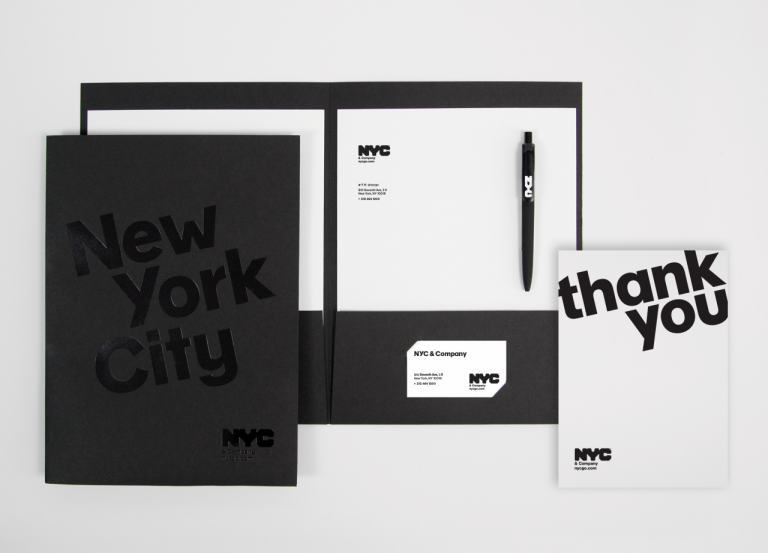
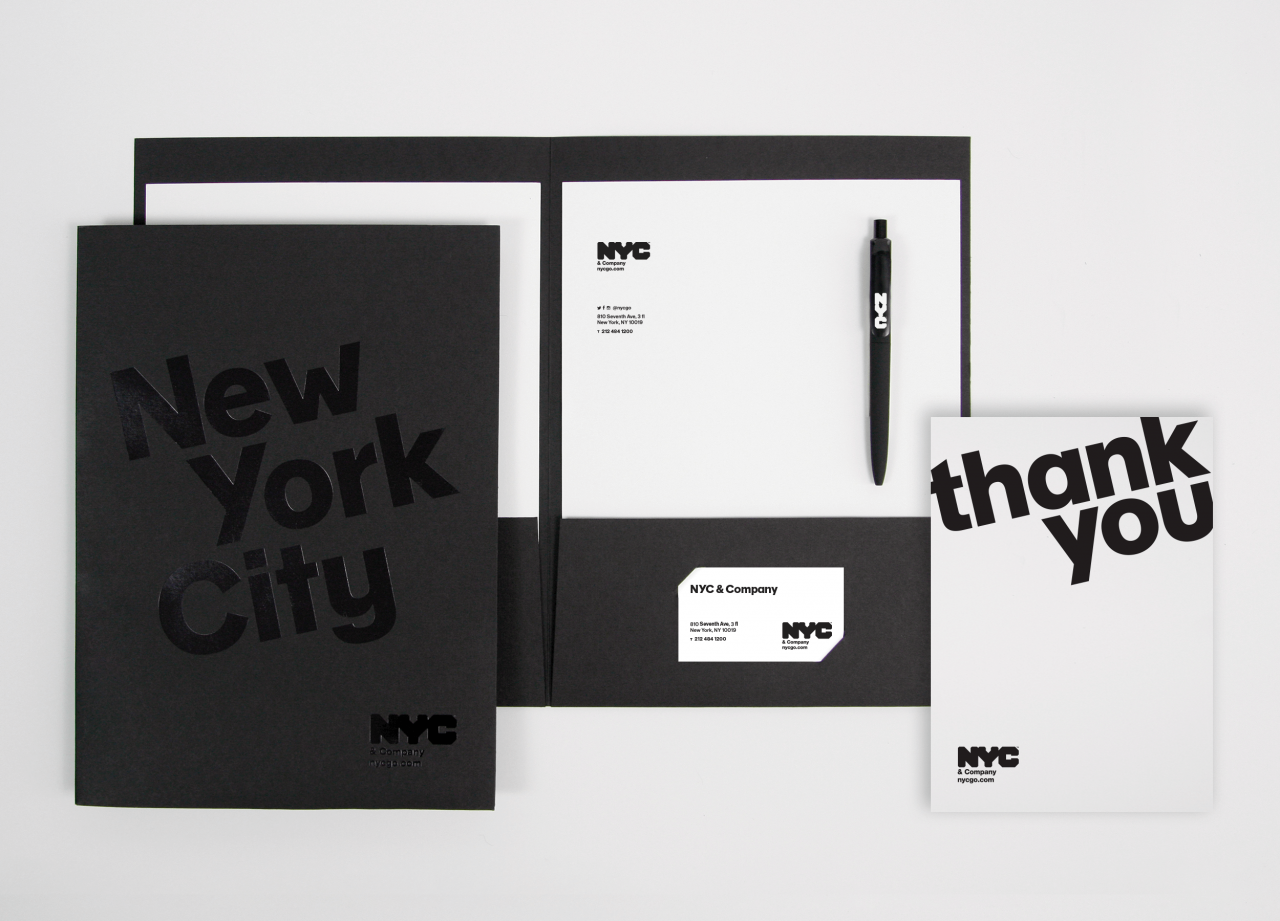
Branding companies in New York City are a vital part of the city’s dynamic economy. They help businesses navigate the competitive landscape, crafting compelling brand identities that resonate with consumers.

This exploration delves into the intricacies of branding in New York, examining the key players, strategies, and future trends shaping this essential industry. From the iconic agencies to emerging innovators, we’ll uncover the secrets to success in this vibrant market.

Introduction to Branding Companies in New York

New York City’s branding industry is a vibrant and competitive ecosystem, home to a diverse range of firms catering to businesses of all sizes and sectors. The city’s unique blend of creative talent, global reach, and established media presence makes it a powerful hub for shaping brand identities. From startups to multinational corporations, businesses rely on branding companies in New York to establish a strong market position, differentiate themselves, and connect with their target audience.The competitive landscape in New York City is intense, driven by a high concentration of skilled designers, strategists, and marketers.

Firms often need to showcase not only their creative prowess but also their understanding of the specific needs and nuances of the New York market. This often includes an understanding of the city’s diverse cultural landscape and its rapidly evolving consumer trends. Branding firms must consistently adapt to these changes and demonstrate a deep understanding of emerging technologies and marketing channels.

Key Characteristics of New York Branding Firms

New York branding companies frequently feature a highly specialized skill set, encompassing design, strategy, research, and marketing. They are adept at crafting unique brand narratives and translating them into tangible brand experiences. Their work often integrates innovative approaches to branding, utilizing cutting-edge technologies and strategies. This focus on innovation, combined with their understanding of the global market, distinguishes many New York firms from their counterparts elsewhere.

Competitive Landscape Analysis

The branding landscape in New York is characterized by a wide range of firms, each with its own area of expertise and target market. Large multinational agencies often compete with boutique firms specializing in niche industries. This competition drives innovation and the pursuit of unique selling propositions. Moreover, the constant influx of new talent and ideas contributes to a dynamic and evolving marketplace.

Factors Influencing Branding Company Success

Several key factors contribute to the success of branding companies in New York. A strong understanding of the city’s diverse market segments is crucial, along with a demonstrated ability to adapt to evolving consumer preferences. A focus on building strong client relationships and delivering exceptional service are also vital for establishing a successful reputation. Furthermore, maintaining a creative edge and a deep understanding of the latest industry trends are critical for long-term success.

Types of Branding Services Offered

The branding services offered by companies in New York are diverse, catering to a broad range of business needs.

Service Type Description
Brand Strategy Development Crafting a comprehensive brand strategy, including target audience identification, brand positioning, and value proposition definition.
Brand Identity Design Creating a visual identity system, encompassing logo design, color palettes, typography, and brand guidelines.
Brand Messaging and Communication Developing clear and consistent brand messaging across various communication channels, including website copy, social media content, and marketing materials.
Market Research and Analysis Conducting market research to understand consumer needs, competitive landscapes, and industry trends.
Brand Experience Design Creating memorable and engaging brand experiences across all touchpoints, including retail environments, digital platforms, and customer interactions.
Rebranding and Revitalization Helping existing brands refresh their image and revitalize their positioning for a new market or competitive landscape.

Top Branding Agencies in New York

New York City boasts a vibrant and competitive landscape of branding agencies, each with its own unique approach and expertise. These firms play a crucial role in shaping the identities and market positions of businesses across diverse sectors. Understanding the strengths and weaknesses of these leading agencies can be invaluable for businesses seeking to leverage branding for success.The selection of prominent branding agencies highlighted below is not exhaustive but provides a representative sample of the talent and diversity present in the New York City market.

These agencies showcase various specializations and methodologies, catering to a wide range of clients and industries.

Prominent Branding Agencies

Several agencies stand out for their innovative approaches, impressive client rosters, and sustained track records. Their influence on the branding landscape is undeniable.

  • Interbrand: Known for its strategic brand consulting and brand valuation services, Interbrand has a long history of developing and implementing impactful brand strategies for global corporations. They leverage a data-driven approach to assess brand equity and create compelling brand narratives. Their clients often include multinational companies in various sectors, demonstrating their broad reach and expertise. Notable projects include developing comprehensive brand platforms for leading global corporations, translating their values and aspirations into visual and communicative identities.

  • Landor & Fitch: This agency specializes in brand strategy and design, with a focus on helping clients achieve measurable business results through strong branding. They’ve worked with numerous large and small businesses, providing them with custom-tailored solutions for their unique brand needs. Their history is rooted in creating distinctive brand experiences, which is evident in their numerous notable projects. Examples include rebranding exercises for established companies and crafting new brand identities for emerging businesses.

  • FutureBrand: FutureBrand excels in developing creative and innovative brand strategies for high-growth companies and established brands. Their team of strategists and designers possesses extensive experience in the field. Their work often focuses on digital branding and creating engaging brand experiences across various touchpoints. This agency serves a diverse range of clients, from startups to large corporations. Their notable projects encompass brand positioning exercises, new brand identity design, and brand storytelling campaigns.

  • Brand Union: Specializing in brand architecture and brand transformation, Brand Union helps clients optimize their brand portfolios for maximum impact and consistency. Their target audience often includes companies with complex organizational structures or diverse product lines. Their notable projects often involve the creation of integrated brand systems that encompass visual identities, messaging, and customer experiences. This agency has an impressive client list, demonstrating its expertise and success in managing intricate brand landscapes.

  • Stony Brook: Stony Brook is a creative branding agency with a focus on helping brands connect with their target audience. Their team of designers, strategists, and writers works collaboratively to create impactful and engaging brand identities. They’re known for their work with emerging brands and companies in the technology and consumer sectors. Their projects include crafting memorable brand narratives and designing impactful brand experiences, including digital and print collateral.

Comparative Analysis of Branding Agencies

A comparative analysis of the agencies can offer insights into their relative strengths and weaknesses.

Agency Strengths Weaknesses
Interbrand Strong global reach, data-driven approach, expertise in brand valuation Potentially high cost, may not be as responsive to smaller clients
Landor & Fitch Extensive experience, diverse client portfolio, focus on measurable results Potentially slower turnaround time, may be less innovative
FutureBrand Creative, innovative, focus on high-growth companies, strong digital capabilities Potential for less established client base, may lack deep industry expertise
Brand Union Expertise in brand architecture, comprehensive brand portfolio optimization Potential for complexity in project management, may not be ideal for smaller companies
Stony Brook Creative approach, focus on audience connection, strong design capabilities Potential for limited global reach, may be less established than larger competitors

Branding Strategies Used by New York Agencies

New York City’s vibrant and diverse market demands sophisticated branding strategies. Leading branding agencies in the city employ a multifaceted approach, adapting to the unique needs of various industries and businesses. This involves a deep understanding of the cultural landscape, competitive pressures, and the evolving consumer behavior of the New York populace.Agencies in New York City leverage innovative strategies to build memorable brand identities, often employing data-driven insights and creative problem-solving.

Their strategies encompass not just visual design but also meticulous brand positioning and compelling messaging.

Examples of Successful Branding Strategies

Several New York agencies have achieved notable success by implementing well-defined branding strategies. For instance, a strategy focused on experiential marketing has helped numerous brands forge stronger connections with their target audience. This approach creates immersive brand experiences, engaging consumers on a deeper level and building lasting brand loyalty. Another successful strategy involves the strategic use of social media platforms, tailored to reach the specific demographic of New York City.

By understanding the unique online behaviors of this audience, agencies can amplify their brand message and connect with potential customers effectively.

Brand Positioning and Messaging

Effective brand positioning is paramount to a successful branding campaign. This involves identifying the unique selling proposition (USP) of a brand, outlining its target audience, and crafting a compelling value proposition. Messaging, in turn, ensures consistency in communicating the brand’s core values and promises to the public. For instance, a sustainable fashion brand in New York might position itself as environmentally conscious, while its messaging could highlight eco-friendly materials and ethical production practices.

Visual Design and Identity

Visual design plays a crucial role in building brand recognition and memorability. Agencies often invest in creating a distinctive visual identity that encompasses logos, color palettes, typography, and imagery. This visual language, when consistently applied across all marketing materials, creates a cohesive and memorable brand experience. A successful example might involve a tech startup in New York using bold, modern typography and clean lines to convey innovation and sophistication.

Cultural Nuances in New York

Understanding cultural nuances is essential for any branding strategy in New York. The city’s diverse population requires agencies to be mindful of the various cultural backgrounds and perspectives of their target audience. For instance, a brand targeting the Latinx community might incorporate cultural elements into its marketing materials, such as incorporating imagery and language relevant to their community.

Comparison of Branding Strategies

Agency Branding Strategy Target Audience Key Differentiators
Agency A Experiential Marketing + Digital Storytelling Young Professionals, Tech Enthusiasts Focus on interactive events and compelling narratives
Agency B Data-Driven Brand Positioning + Targeted Social Media Luxury Consumers, High-Net-Worth Individuals Leveraging analytics for precision targeting
Agency C Visual Identity Reinvention + Strategic Partnerships Established Businesses, Fashion Brands Emphasis on a modern visual language and strategic collaborations

Digital Marketing Integration in Branding

Branding agencies in New York are increasingly recognizing the crucial role of digital marketing in building and maintaining a strong brand presence. A robust online strategy is no longer a supplementary tactic but a fundamental component of a comprehensive brand-building approach. This integration allows agencies to connect with their target audiences in a more meaningful and engaging way, fostering brand loyalty and driving tangible business results.Digital marketing enables branding agencies to reach audiences across geographical boundaries, fostering brand awareness and building a strong online presence.

It allows for precise targeting and measurement of campaign effectiveness, providing valuable insights into consumer behavior and preferences. By leveraging digital channels, agencies can adapt their strategies in real-time to maximize impact.

Importance of Digital Marketing for Branding Companies in New York

Digital marketing has become indispensable for branding agencies in New York. Its ability to connect with a wider audience, build brand awareness, and drive measurable results makes it a crucial component of modern branding strategies. Agencies leverage digital platforms to enhance brand storytelling, showcase client expertise, and foster engagement with their target demographics. The precise targeting capabilities of digital marketing also allow for highly effective allocation of marketing resources.

Digital Marketing Channels and Tactics Used by Branding Agencies

Branding agencies in New York utilize a diverse range of digital marketing channels and tactics. These include search engine optimization (), social media marketing, content marketing, email marketing, pay-per-click (PPC) advertising, and influencer marketing. Each channel plays a unique role in achieving specific branding objectives. For example, enhances organic visibility, while social media builds brand communities.

Role of Social Media, Content Marketing, and in Building a Brand’s Online Presence

Social media platforms are pivotal for branding agencies in fostering brand engagement and building a loyal following. Effective content marketing strategies are used to establish thought leadership, drive traffic to websites, and cultivate a brand voice. ensures that the agency’s website and content rank highly in search engine results, thereby increasing visibility and driving organic traffic.

  • Social media platforms, such as Instagram, Twitter, and LinkedIn, allow agencies to share brand stories, interact with potential clients, and build communities.
  • Content marketing, which involves creating and sharing valuable content like blog posts, articles, and infographics, establishes expertise and builds trust with the target audience.
  • strategies optimize websites and content for search engines, ensuring high visibility and driving organic traffic to the agency’s online presence.

Key Digital Marketing Metrics Relevant to Branding Firms

Monitoring key performance indicators (KPIs) is crucial for assessing the effectiveness of digital marketing campaigns. These metrics provide valuable insights into campaign performance and inform strategic decision-making. The table below highlights key metrics.

Metric Description Importance to Branding
Website Traffic Number of visitors to the website Indicates visibility and interest in the brand.
Social Media Engagement Likes, shares, comments, and follower growth Measures audience interaction and brand resonance.
Conversion Rate Percentage of visitors who complete a desired action (e.g., sign up, purchase) Highlights the effectiveness of marketing efforts in driving desired outcomes.
Customer Acquisition Cost (CAC) Cost of acquiring a new customer Evaluates the efficiency of marketing campaigns in customer generation.
Return on Investment (ROI) Profit generated from marketing efforts Measures the overall profitability of digital marketing investments.

Examples of Successful Digital Marketing Campaigns Implemented by Branding Agencies in New York

Several branding agencies in New York have successfully integrated digital marketing into their strategies. One agency, for example, leveraged a series of engaging social media posts and targeted ads to generate substantial leads and increase brand awareness for a new client in the fashion industry. Another agency effectively used content marketing to establish their firm as a thought leader in the financial sector, leading to significant new business opportunities.

These examples demonstrate the positive impact of strategically integrating digital marketing into branding efforts.

Case Studies of Branding Success in New York

New York City’s vibrant branding landscape boasts numerous successful campaigns. These case studies illustrate how innovative agencies leverage strategic approaches, meticulous planning, and a deep understanding of the target audience to achieve remarkable results. Successful branding campaigns in New York often involve a delicate balance of creativity and practicality, driven by data and insight.Successful branding campaigns aren’t just about creating a visually appealing logo; they require a thorough understanding of the target market, the competitive landscape, and the overall brand message.

A robust strategy needs to be implemented across all touchpoints to ensure consistency and build lasting customer relationships.

Examples of Successful Branding Campaigns

New York City-based agencies have executed numerous campaigns that have resonated with consumers. These campaigns are characterized by a strong emphasis on understanding the target market, aligning the brand message with customer needs, and building a cohesive brand experience across all platforms.

Case Study 1: Rebranding a Legacy Fashion House

This New York-based fashion house, known for its classic designs, underwent a comprehensive rebranding effort to appeal to a younger demographic. The challenge was to modernize the brand image without losing its heritage. The agency addressed this by conducting extensive market research to identify the desires and preferences of the target audience. This research revealed a desire for more sustainable practices and a commitment to ethical sourcing.

The agency then created a new brand identity that incorporated these values, using sustainable materials and highlighting the brand’s commitment to ethical production. Visual elements were updated to be more contemporary while retaining the classic elements of the brand. The agency implemented a multi-channel marketing strategy that included social media campaigns, influencer collaborations, and partnerships with eco-conscious retailers.

The campaign resulted in a significant increase in sales, engagement on social media, and positive media coverage. The agency used website analytics, social media engagement metrics, and sales data to measure the campaign’s effectiveness.

Case Study 2: Launching a New Fintech Startup

A young fintech startup aimed to disrupt the traditional financial services sector. Their challenge was to establish brand recognition and credibility in a crowded market. The agency employed a unique branding strategy that emphasized transparency and innovation. A minimalist, clean design was chosen to communicate the startup’s technological capabilities. The brand messaging focused on the convenience and efficiency of their services.

The agency also leveraged social media marketing to highlight user testimonials and case studies. They used data analytics to track website traffic, app downloads, and customer feedback. The campaign resulted in rapid user growth, positive media attention, and a significant increase in customer acquisition. Key performance indicators (KPIs) such as customer lifetime value (CLTV) and customer acquisition cost (CAC) were closely monitored.

Case Study 3: Revitalizing a Traditional Retail Brand

A long-standing department store sought to reinvigorate its brand image and appeal to a wider customer base. The challenge was to balance tradition with modern trends. The agency focused on highlighting the store’s unique selection of high-quality products and exceptional customer service. A new brand platform was developed, focusing on the concept of “curated experiences.” Visual identity changes were subtle, but impactful, focusing on showcasing the store’s unique collection and curated selection.

The agency utilized targeted advertising campaigns to reach specific customer segments. The agency tracked sales figures, customer feedback, and website traffic to measure the effectiveness of the rebranding effort. The data revealed that the revitalized brand resonated with customers, leading to increased foot traffic, sales, and brand loyalty.

Future Trends in Branding in New York

The branding landscape in New York City, a global hub for innovation, is constantly evolving. Emerging technologies, shifting cultural values, and a growing emphasis on sustainability are reshaping how brands connect with consumers. This dynamic environment necessitates a proactive approach to anticipate and adapt to these changes. Understanding these future trends is crucial for brands to remain competitive and relevant.The future of branding in New York will be deeply intertwined with technological advancements, social consciousness, and a consumer base increasingly demanding authenticity and transparency.

Brands that embrace these shifts will position themselves for success, while those that lag behind risk becoming irrelevant. This exploration delves into the anticipated trends, highlighting their impact and offering insights into how brands can strategically respond.

Predicting the Impact of Emerging Technologies

Advancements in artificial intelligence (AI), virtual reality (VR), and augmented reality (AR) are significantly impacting branding strategies. AI-powered tools allow for personalized marketing campaigns and data-driven insights into consumer behavior. VR and AR provide immersive brand experiences, fostering deeper engagement and emotional connections.

The Rise of Experiential Branding

Brands are increasingly focusing on creating memorable and engaging experiences. Interactive pop-up shops, immersive online environments, and exclusive events are designed to foster a stronger connection with customers. This trend reflects a shift from transactional relationships to lasting brand advocacy.

The Growing Importance of Sustainability and Ethical Considerations

Consumers are demanding greater transparency and accountability from brands. Emphasis on sustainable practices, ethical sourcing, and social responsibility is driving consumer choices. Brands that prioritize these values are building trust and loyalty. Sustainability is not just a trend; it’s a core value.

The Evolving Role of Social Media in Brand Building

Social media platforms are no longer simply marketing tools. They are crucial for fostering direct communication, building communities, and responding to evolving consumer expectations. Authenticity and community building through social media are essential for brand growth.

Emerging Technologies and Their Impact on Branding

Emerging Technology Impact on Branding
Artificial Intelligence (AI) Personalized marketing campaigns, data-driven insights, improved customer service, enhanced brand storytelling.
Virtual Reality (VR) Immersive brand experiences, interactive product demonstrations, increased customer engagement, stronger emotional connections.
Augmented Reality (AR) Interactive product visualizations, experiential marketing, improved customer engagement, personalized product experiences.
Blockchain Technology Enhanced transparency and traceability, increased trust and security, improved supply chain management, strengthened brand reputation.
Chatbots Improved customer service, 24/7 support, personalized interactions, efficient lead generation.

The Role of Creativity and Innovation

New York City’s branding landscape thrives on a constant interplay of creativity and innovation. These elements are not just desirable qualities; they are fundamental to success in a competitive market. A brand that stands out often does so by embracing novel approaches to communication, problem-solving, and market understanding. Innovative branding strategies are crucial for attracting and retaining customers in a city brimming with options.Creativity and innovation are essential for differentiation.

Agencies must go beyond simply executing standard branding practices; they must devise fresh and impactful approaches to resonate with a sophisticated and discerning audience. This requires a deep understanding of the unique challenges and opportunities presented by the New York market.

Innovative Branding Campaigns in New York

New York’s branding landscape is replete with examples of successful campaigns that leveraged creativity and innovation. A prominent example is the rebranding of a local coffee shop chain, which employed a unique storytelling approach centered on the unique histories of their beans. This strategy fostered a strong emotional connection with customers, boosting sales and creating a sense of community.

Another successful approach involved using interactive digital experiences to engage potential clients in a fun and memorable way, driving brand awareness and engagement.

Understanding the Local Market

New York City boasts a diverse and dynamic population, which requires branding strategies that cater to specific demographics and cultural nuances. Successfully navigating this complexity demands a keen understanding of local trends, preferences, and cultural nuances. A thorough market research and analysis, combined with a deep understanding of the city’s vibrant social fabric, are crucial. This knowledge allows for the creation of branding strategies that are not just effective but also authentically resonate with the target audience.

Creative Strategies for Standing Out

Branding agencies in New York often employ innovative strategies to differentiate themselves from the competition. One approach involves using unconventional channels, such as collaborations with local artists or participation in unique events, to generate buzz and brand visibility. Another notable tactic is the use of data-driven insights to refine branding messaging and targeting, optimizing campaigns for maximum impact. This approach demonstrates a commitment to leveraging technology to achieve optimal results.

Creative Problem-Solving in Brand Identity Development

Developing a brand identity in New York requires a multifaceted approach that goes beyond superficial aesthetics. A successful brand identity is often the result of creative problem-solving that tackles complex challenges. For example, an agency might leverage design thinking to address the unique challenges of a startup’s brand identity, crafting a visual language that accurately reflects the company’s values and mission.

The use of design thinking allows for a deep dive into user needs and preferences, creating a strong foundation for the brand identity.

Summary

Branding companies in new york

In conclusion, New York’s branding scene is a fascinating blend of established expertise and innovative approaches. The city’s unique blend of creativity and cultural influences fuels a constantly evolving industry. The future of branding in New York looks bright, with companies adapting to emerging technologies and prioritizing ethical considerations alongside creative solutions.

Frequently Asked Questions

What distinguishes New York branding agencies from those in other regions?

New York agencies often specialize in complex, high-profile projects. They frequently cater to a demanding market, focusing on innovation and creativity to stand out. Furthermore, the city’s cultural diversity and constant influx of ideas often influence the strategies employed.

What are some common challenges faced by branding companies in New York?

High competition and maintaining brand consistency across diverse client needs are key challenges. Keeping up with the ever-evolving digital landscape and adapting to cultural shifts are also significant hurdles.

How do emerging technologies impact branding strategies in New York?

Emerging technologies like AI and AR are being integrated into branding strategies to enhance customer experiences and create more immersive campaigns. Agencies are exploring these technologies to maintain a competitive edge and offer cutting-edge solutions.