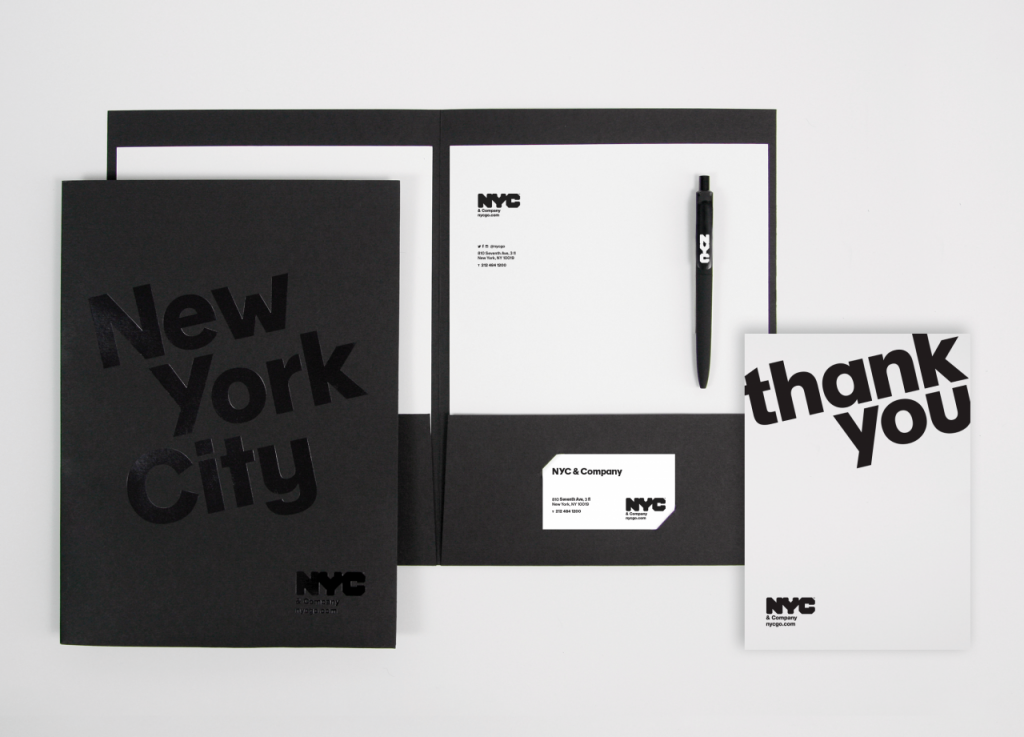
Branding companies in New York City are a vital part of the city’s dynamic economy. They help businesses navigate the competitive landscape, crafting compelling brand identities that resonate with consumers.
This exploration delves into the intricacies of branding in New York, examining the key players, strategies, and future trends shaping this essential industry. From the iconic agencies to emerging innovators, we’ll uncover the secrets to success in this vibrant market.
Introduction to Branding Companies in New York
New York City’s branding industry is a vibrant and competitive ecosystem, home to a diverse range of firms catering to businesses of all sizes and sectors. The city’s unique blend of creative talent, global reach, and established media presence makes it a powerful hub for shaping brand identities. From startups to multinational corporations, businesses rely on branding companies in New York to establish a strong market position, differentiate themselves, and connect with their target audience.The competitive landscape in New York City is intense, driven by a high concentration of skilled designers, strategists, and marketers.
Firms often need to showcase not only their creative prowess but also their understanding of the specific needs and nuances of the New York market. This often includes an understanding of the city’s diverse cultural landscape and its rapidly evolving consumer trends. Branding firms must consistently adapt to these changes and demonstrate a deep understanding of emerging technologies and marketing channels.
Key Characteristics of New York Branding Firms
New York branding companies frequently feature a highly specialized skill set, encompassing design, strategy, research, and marketing. They are adept at crafting unique brand narratives and translating them into tangible brand experiences. Their work often integrates innovative approaches to branding, utilizing cutting-edge technologies and strategies. This focus on innovation, combined with their understanding of the global market, distinguishes many New York firms from their counterparts elsewhere.
Competitive Landscape Analysis
The branding landscape in New York is characterized by a wide range of firms, each with its own area of expertise and target market. Large multinational agencies often compete with boutique firms specializing in niche industries. This competition drives innovation and the pursuit of unique selling propositions. Moreover, the constant influx of new talent and ideas contributes to a dynamic and evolving marketplace.
Factors Influencing Branding Company Success
Several key factors contribute to the success of branding companies in New York. A strong understanding of the city’s diverse market segments is crucial, along with a demonstrated ability to adapt to evolving consumer preferences. A focus on building strong client relationships and delivering exceptional service are also vital for establishing a successful reputation. Furthermore, maintaining a creative edge and a deep understanding of the latest industry trends are critical for long-term success.
Types of Branding Services Offered
The branding services offered by companies in New York are diverse, catering to a broad range of business needs.
| Service Type | Description |
|---|---|
| Brand Strategy Development | Crafting a comprehensive brand strategy, including target audience identification, brand positioning, and value proposition definition. |
| Brand Identity Design | Creating a visual identity system, encompassing logo design, color palettes, typography, and brand guidelines. |
| Brand Messaging and Communication | Developing clear and consistent brand messaging across various communication channels, including website copy, social media content, and marketing materials. |
| Market Research and Analysis | Conducting market research to understand consumer needs, competitive landscapes, and industry trends. |
| Brand Experience Design | Creating memorable and engaging brand experiences across all touchpoints, including retail environments, digital platforms, and customer interactions. |
| Rebranding and Revitalization | Helping existing brands refresh their image and revitalize their positioning for a new market or competitive landscape. |
Top Branding Agencies in New York
New York City boasts a vibrant and competitive landscape of branding agencies, each with its own unique approach and expertise. These firms play a crucial role in shaping the identities and market positions of businesses across diverse sectors. Understanding the strengths and weaknesses of these leading agencies can be invaluable for businesses seeking to leverage branding for success.The selection of prominent branding agencies highlighted below is not exhaustive but provides a representative sample of the talent and diversity present in the New York City market.
These agencies showcase various specializations and methodologies, catering to a wide range of clients and industries.
Prominent Branding Agencies
Several agencies stand out for their innovative approaches, impressive client rosters, and sustained track records. Their influence on the branding landscape is undeniable.
- Interbrand: Known for its strategic brand consulting and brand valuation services, Interbrand has a long history of developing and implementing impactful brand strategies for global corporations. They leverage a data-driven approach to assess brand equity and create compelling brand narratives. Their clients often include multinational companies in various sectors, demonstrating their broad reach and expertise. Notable projects include developing comprehensive brand platforms for leading global corporations, translating their values and aspirations into visual and communicative identities.
- Landor & Fitch: This agency specializes in brand strategy and design, with a focus on helping clients achieve measurable business results through strong branding. They’ve worked with numerous large and small businesses, providing them with custom-tailored solutions for their unique brand needs. Their history is rooted in creating distinctive brand experiences, which is evident in their numerous notable projects. Examples include rebranding exercises for established companies and crafting new brand identities for emerging businesses.
- FutureBrand: FutureBrand excels in developing creative and innovative brand strategies for high-growth companies and established brands. Their team of strategists and designers possesses extensive experience in the field. Their work often focuses on digital branding and creating engaging brand experiences across various touchpoints. This agency serves a diverse range of clients, from startups to large corporations. Their notable projects encompass brand positioning exercises, new brand identity design, and brand storytelling campaigns.
- Brand Union: Specializing in brand architecture and brand transformation, Brand Union helps clients optimize their brand portfolios for maximum impact and consistency. Their target audience often includes companies with complex organizational structures or diverse product lines. Their notable projects often involve the creation of integrated brand systems that encompass visual identities, messaging, and customer experiences. This agency has an impressive client list, demonstrating its expertise and success in managing intricate brand landscapes.
- Stony Brook: Stony Brook is a creative branding agency with a focus on helping brands connect with their target audience. Their team of designers, strategists, and writers works collaboratively to create impactful and engaging brand identities. They’re known for their work with emerging brands and companies in the technology and consumer sectors. Their projects include crafting memorable brand narratives and designing impactful brand experiences, including digital and print collateral.
Comparative Analysis of Branding Agencies
A comparative analysis of the agencies can offer insights into their relative strengths and weaknesses.
| Agency | Strengths | Weaknesses |
|---|---|---|
| Interbrand | Strong global reach, data-driven approach, expertise in brand valuation | Potentially high cost, may not be as responsive to smaller clients |
| Landor & Fitch | Extensive experience, diverse client portfolio, focus on measurable results | Potentially slower turnaround time, may be less innovative |
| FutureBrand | Creative, innovative, focus on high-growth companies, strong digital capabilities | Potential for less established client base, may lack deep industry expertise |
| Brand Union | Expertise in brand architecture, comprehensive brand portfolio optimization | Potential for complexity in project management, may not be ideal for smaller companies |
| Stony Brook | Creative approach, focus on audience connection, strong design capabilities | Potential for limited global reach, may be less established than larger competitors |
Branding Strategies Used by New York Agencies
New York City’s vibrant and diverse market demands sophisticated branding strategies. Leading branding agencies in the city employ a multifaceted approach, adapting to the unique needs of various industries and businesses. This involves a deep understanding of the cultural landscape, competitive pressures, and the evolving consumer behavior of the New York populace.Agencies in New York City leverage innovative strategies to build memorable brand identities, often employing data-driven insights and creative problem-solving.
Their strategies encompass not just visual design but also meticulous brand positioning and compelling messaging.
Examples of Successful Branding Strategies
Several New York agencies have achieved notable success by implementing well-defined branding strategies. For instance, a strategy focused on experiential marketing has helped numerous brands forge stronger connections with their target audience. This approach creates immersive brand experiences, engaging consumers on a deeper level and building lasting brand loyalty. Another successful strategy involves the strategic use of social media platforms, tailored to reach the specific demographic of New York City.
By understanding the unique online behaviors of this audience, agencies can amplify their brand message and connect with potential customers effectively.
Brand Positioning and Messaging
Effective brand positioning is paramount to a successful branding campaign. This involves identifying the unique selling proposition (USP) of a brand, outlining its target audience, and crafting a compelling value proposition. Messaging, in turn, ensures consistency in communicating the brand’s core values and promises to the public. For instance, a sustainable fashion brand in New York might position itself as environmentally conscious, while its messaging could highlight eco-friendly materials and ethical production practices.
Visual Design and Identity
Visual design plays a crucial role in building brand recognition and memorability. Agencies often invest in creating a distinctive visual identity that encompasses logos, color palettes, typography, and imagery. This visual language, when consistently applied across all marketing materials, creates a cohesive and memorable brand experience. A successful example might involve a tech startup in New York using bold, modern typography and clean lines to convey innovation and sophistication.
Cultural Nuances in New York
Understanding cultural nuances is essential for any branding strategy in New York. The city’s diverse population requires agencies to be mindful of the various cultural backgrounds and perspectives of their target audience. For instance, a brand targeting the Latinx community might incorporate cultural elements into its marketing materials, such as incorporating imagery and language relevant to their community.
Comparison of Branding Strategies
| Agency | Branding Strategy | Target Audience | Key Differentiators |
|---|---|---|---|
| Agency A | Experiential Marketing + Digital Storytelling | Young Professionals, Tech Enthusiasts | Focus on interactive events and compelling narratives |
| Agency B | Data-Driven Brand Positioning + Targeted Social Media | Luxury Consumers, High-Net-Worth Individuals | Leveraging analytics for precision targeting |
| Agency C | Visual Identity Reinvention + Strategic Partnerships | Established Businesses, Fashion Brands | Emphasis on a modern visual language and strategic collaborations |
Digital Marketing Integration in Branding
Branding agencies in New York are increasingly recognizing the crucial role of digital marketing in building and maintaining a strong brand presence. A robust online strategy is no longer a supplementary tactic but a fundamental component of a comprehensive brand-building approach. This integration allows agencies to connect with their target audiences in a more meaningful and engaging way, fostering brand loyalty and driving tangible business results.Digital marketing enables branding agencies to reach audiences across geographical boundaries, fostering brand awareness and building a strong online presence.
It allows for precise targeting and measurement of campaign effectiveness, providing valuable insights into consumer behavior and preferences. By leveraging digital channels, agencies can adapt their strategies in real-time to maximize impact.
Importance of Digital Marketing for Branding Companies in New York
Digital marketing has become indispensable for branding agencies in New York. Its ability to connect with a wider audience, build brand awareness, and drive measurable results makes it a crucial component of modern branding strategies. Agencies leverage digital platforms to enhance brand storytelling, showcase client expertise, and foster engagement with their target demographics. The precise targeting capabilities of digital marketing also allow for highly effective allocation of marketing resources.
Digital Marketing Channels and Tactics Used by Branding Agencies
Branding agencies in New York utilize a diverse range of digital marketing channels and tactics. These include search engine optimization (), social media marketing, content marketing, email marketing, pay-per-click (PPC) advertising, and influencer marketing. Each channel plays a unique role in achieving specific branding objectives. For example, enhances organic visibility, while social media builds brand communities.
Role of Social Media, Content Marketing, and in Building a Brand’s Online Presence
Social media platforms are pivotal for branding agencies in fostering brand engagement and building a loyal following. Effective content marketing strategies are used to establish thought leadership, drive traffic to websites, and cultivate a brand voice. ensures that the agency’s website and content rank highly in search engine results, thereby increasing visibility and driving organic traffic.
- Social media platforms, such as Instagram, Twitter, and LinkedIn, allow agencies to share brand stories, interact with potential clients, and build communities.
- Content marketing, which involves creating and sharing valuable content like blog posts, articles, and infographics, establishes expertise and builds trust with the target audience.
- strategies optimize websites and content for search engines, ensuring high visibility and driving organic traffic to the agency’s online presence.
Key Digital Marketing Metrics Relevant to Branding Firms
Monitoring key performance indicators (KPIs) is crucial for assessing the effectiveness of digital marketing campaigns. These metrics provide valuable insights into campaign performance and inform strategic decision-making. The table below highlights key metrics.
| Metric | Description | Importance to Branding |
|---|---|---|
| Website Traffic | Number of visitors to the website | Indicates visibility and interest in the brand. |
| Social Media Engagement | Likes, shares, comments, and follower growth | Measures audience interaction and brand resonance. |
| Conversion Rate | Percentage of visitors who complete a desired action (e.g., sign up, purchase) | Highlights the effectiveness of marketing efforts in driving desired outcomes. |
| Customer Acquisition Cost (CAC) | Cost of acquiring a new customer | Evaluates the efficiency of marketing campaigns in customer generation. |
| Return on Investment (ROI) | Profit generated from marketing efforts | Measures the overall profitability of digital marketing investments. |
Examples of Successful Digital Marketing Campaigns Implemented by Branding Agencies in New York
Several branding agencies in New York have successfully integrated digital marketing into their strategies. One agency, for example, leveraged a series of engaging social media posts and targeted ads to generate substantial leads and increase brand awareness for a new client in the fashion industry. Another agency effectively used content marketing to establish their firm as a thought leader in the financial sector, leading to significant new business opportunities.
These examples demonstrate the positive impact of strategically integrating digital marketing into branding efforts.
Case Studies of Branding Success in New York
New York City’s vibrant branding landscape boasts numerous successful campaigns. These case studies illustrate how innovative agencies leverage strategic approaches, meticulous planning, and a deep understanding of the target audience to achieve remarkable results. Successful branding campaigns in New York often involve a delicate balance of creativity and practicality, driven by data and insight.Successful branding campaigns aren’t just about creating a visually appealing logo; they require a thorough understanding of the target market, the competitive landscape, and the overall brand message.
A robust strategy needs to be implemented across all touchpoints to ensure consistency and build lasting customer relationships.
Examples of Successful Branding Campaigns
New York City-based agencies have executed numerous campaigns that have resonated with consumers. These campaigns are characterized by a strong emphasis on understanding the target market, aligning the brand message with customer needs, and building a cohesive brand experience across all platforms.
Case Study 1: Rebranding a Legacy Fashion House
This New York-based fashion house, known for its classic designs, underwent a comprehensive rebranding effort to appeal to a younger demographic. The challenge was to modernize the brand image without losing its heritage. The agency addressed this by conducting extensive market research to identify the desires and preferences of the target audience. This research revealed a desire for more sustainable practices and a commitment to ethical sourcing.
The agency then created a new brand identity that incorporated these values, using sustainable materials and highlighting the brand’s commitment to ethical production. Visual elements were updated to be more contemporary while retaining the classic elements of the brand. The agency implemented a multi-channel marketing strategy that included social media campaigns, influencer collaborations, and partnerships with eco-conscious retailers.
The campaign resulted in a significant increase in sales, engagement on social media, and positive media coverage. The agency used website analytics, social media engagement metrics, and sales data to measure the campaign’s effectiveness.
Case Study 2: Launching a New Fintech Startup
A young fintech startup aimed to disrupt the traditional financial services sector. Their challenge was to establish brand recognition and credibility in a crowded market. The agency employed a unique branding strategy that emphasized transparency and innovation. A minimalist, clean design was chosen to communicate the startup’s technological capabilities. The brand messaging focused on the convenience and efficiency of their services.
The agency also leveraged social media marketing to highlight user testimonials and case studies. They used data analytics to track website traffic, app downloads, and customer feedback. The campaign resulted in rapid user growth, positive media attention, and a significant increase in customer acquisition. Key performance indicators (KPIs) such as customer lifetime value (CLTV) and customer acquisition cost (CAC) were closely monitored.
Case Study 3: Revitalizing a Traditional Retail Brand
A long-standing department store sought to reinvigorate its brand image and appeal to a wider customer base. The challenge was to balance tradition with modern trends. The agency focused on highlighting the store’s unique selection of high-quality products and exceptional customer service. A new brand platform was developed, focusing on the concept of “curated experiences.” Visual identity changes were subtle, but impactful, focusing on showcasing the store’s unique collection and curated selection.
The agency utilized targeted advertising campaigns to reach specific customer segments. The agency tracked sales figures, customer feedback, and website traffic to measure the effectiveness of the rebranding effort. The data revealed that the revitalized brand resonated with customers, leading to increased foot traffic, sales, and brand loyalty.
Future Trends in Branding in New York
The branding landscape in New York City, a global hub for innovation, is constantly evolving. Emerging technologies, shifting cultural values, and a growing emphasis on sustainability are reshaping how brands connect with consumers. This dynamic environment necessitates a proactive approach to anticipate and adapt to these changes. Understanding these future trends is crucial for brands to remain competitive and relevant.The future of branding in New York will be deeply intertwined with technological advancements, social consciousness, and a consumer base increasingly demanding authenticity and transparency.
Brands that embrace these shifts will position themselves for success, while those that lag behind risk becoming irrelevant. This exploration delves into the anticipated trends, highlighting their impact and offering insights into how brands can strategically respond.
Predicting the Impact of Emerging Technologies
Advancements in artificial intelligence (AI), virtual reality (VR), and augmented reality (AR) are significantly impacting branding strategies. AI-powered tools allow for personalized marketing campaigns and data-driven insights into consumer behavior. VR and AR provide immersive brand experiences, fostering deeper engagement and emotional connections.
The Rise of Experiential Branding
Brands are increasingly focusing on creating memorable and engaging experiences. Interactive pop-up shops, immersive online environments, and exclusive events are designed to foster a stronger connection with customers. This trend reflects a shift from transactional relationships to lasting brand advocacy.
The Growing Importance of Sustainability and Ethical Considerations
Consumers are demanding greater transparency and accountability from brands. Emphasis on sustainable practices, ethical sourcing, and social responsibility is driving consumer choices. Brands that prioritize these values are building trust and loyalty. Sustainability is not just a trend; it’s a core value.
The Evolving Role of Social Media in Brand Building
Social media platforms are no longer simply marketing tools. They are crucial for fostering direct communication, building communities, and responding to evolving consumer expectations. Authenticity and community building through social media are essential for brand growth.
Emerging Technologies and Their Impact on Branding
| Emerging Technology | Impact on Branding |
|---|---|
| Artificial Intelligence (AI) | Personalized marketing campaigns, data-driven insights, improved customer service, enhanced brand storytelling. |
| Virtual Reality (VR) | Immersive brand experiences, interactive product demonstrations, increased customer engagement, stronger emotional connections. |
| Augmented Reality (AR) | Interactive product visualizations, experiential marketing, improved customer engagement, personalized product experiences. |
| Blockchain Technology | Enhanced transparency and traceability, increased trust and security, improved supply chain management, strengthened brand reputation. |
| Chatbots | Improved customer service, 24/7 support, personalized interactions, efficient lead generation. |
The Role of Creativity and Innovation
New York City’s branding landscape thrives on a constant interplay of creativity and innovation. These elements are not just desirable qualities; they are fundamental to success in a competitive market. A brand that stands out often does so by embracing novel approaches to communication, problem-solving, and market understanding. Innovative branding strategies are crucial for attracting and retaining customers in a city brimming with options.Creativity and innovation are essential for differentiation.
Agencies must go beyond simply executing standard branding practices; they must devise fresh and impactful approaches to resonate with a sophisticated and discerning audience. This requires a deep understanding of the unique challenges and opportunities presented by the New York market.
Innovative Branding Campaigns in New York
New York’s branding landscape is replete with examples of successful campaigns that leveraged creativity and innovation. A prominent example is the rebranding of a local coffee shop chain, which employed a unique storytelling approach centered on the unique histories of their beans. This strategy fostered a strong emotional connection with customers, boosting sales and creating a sense of community.
Another successful approach involved using interactive digital experiences to engage potential clients in a fun and memorable way, driving brand awareness and engagement.
Understanding the Local Market
New York City boasts a diverse and dynamic population, which requires branding strategies that cater to specific demographics and cultural nuances. Successfully navigating this complexity demands a keen understanding of local trends, preferences, and cultural nuances. A thorough market research and analysis, combined with a deep understanding of the city’s vibrant social fabric, are crucial. This knowledge allows for the creation of branding strategies that are not just effective but also authentically resonate with the target audience.
Creative Strategies for Standing Out
Branding agencies in New York often employ innovative strategies to differentiate themselves from the competition. One approach involves using unconventional channels, such as collaborations with local artists or participation in unique events, to generate buzz and brand visibility. Another notable tactic is the use of data-driven insights to refine branding messaging and targeting, optimizing campaigns for maximum impact. This approach demonstrates a commitment to leveraging technology to achieve optimal results.
Creative Problem-Solving in Brand Identity Development
Developing a brand identity in New York requires a multifaceted approach that goes beyond superficial aesthetics. A successful brand identity is often the result of creative problem-solving that tackles complex challenges. For example, an agency might leverage design thinking to address the unique challenges of a startup’s brand identity, crafting a visual language that accurately reflects the company’s values and mission.
The use of design thinking allows for a deep dive into user needs and preferences, creating a strong foundation for the brand identity.
Summary
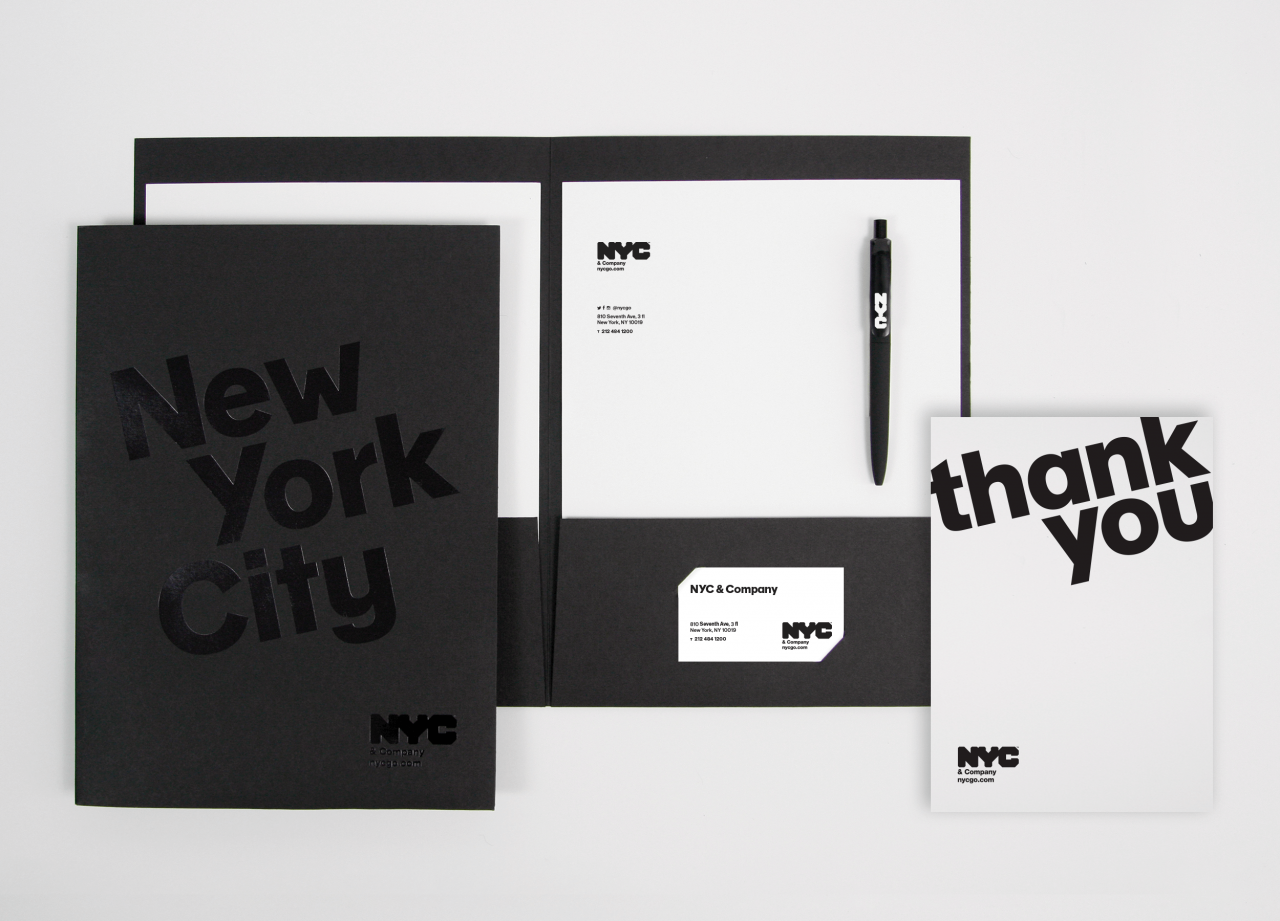
In conclusion, New York’s branding scene is a fascinating blend of established expertise and innovative approaches. The city’s unique blend of creativity and cultural influences fuels a constantly evolving industry. The future of branding in New York looks bright, with companies adapting to emerging technologies and prioritizing ethical considerations alongside creative solutions.
Frequently Asked Questions
What distinguishes New York branding agencies from those in other regions?
New York agencies often specialize in complex, high-profile projects. They frequently cater to a demanding market, focusing on innovation and creativity to stand out. Furthermore, the city’s cultural diversity and constant influx of ideas often influence the strategies employed.
What are some common challenges faced by branding companies in New York?
High competition and maintaining brand consistency across diverse client needs are key challenges. Keeping up with the ever-evolving digital landscape and adapting to cultural shifts are also significant hurdles.
How do emerging technologies impact branding strategies in New York?
Emerging technologies like AI and AR are being integrated into branding strategies to enhance customer experiences and create more immersive campaigns. Agencies are exploring these technologies to maintain a competitive edge and offer cutting-edge solutions.