April 18, 2026

market trends

Kicking off with bitcoin etf gold, this investment avenue merges the innovative world of Bitcoin with the timeless appeal of gold. As investors increasingly seek diversified portfolios, the concept of combining these two assets within an Exchange-Traded Fund (ETF) gains traction, promising unique benefits and challenges alike.

This overview delves into the mechanics of Bitcoin ETFs alongside gold investments, weighing their historical performances, regulatory environments, and market trends. A look at investment strategies and technological innovations further reveals how these assets can complement each other in today’s financial landscape.

Overview of Bitcoin ETF Gold

The Bitcoin ETF Gold combines two popular investment vehicles: Bitcoin and gold. This innovative financial instrument allows investors to gain exposure to both assets simultaneously, potentially benefiting from the strengths of each. While Bitcoin offers high volatility and the potential for rapid gains, gold provides stability and a hedge against inflation.The integration of Bitcoin and gold into a single ETF presents several benefits and drawbacks.

On one hand, investors can achieve diversification in their portfolios, reducing risk by not relying solely on one asset class. On the other hand, the unpredictable nature of Bitcoin can introduce significant volatility to the ETF’s overall performance. Historically, gold ETFs have showcased a steady rise in value, while Bitcoin ETFs have experienced extreme fluctuations, highlighting the need for careful consideration when investing in this combined approach.

Benefits and Drawbacks of Combining Bitcoin and Gold in an ETF

The fusion of Bitcoin and gold in an ETF offers unique advantages and challenges, which can impact investor decisions. Here are key points to consider:

  • Diversification: Combining Bitcoin and gold allows investors to balance the volatility of cryptocurrencies with the stability of precious metals.
  • Inflation Hedge: Gold is traditionally viewed as a safeguard against inflation, while Bitcoin has emerged as a digital alternative to gold.
  • Market Volatility: Bitcoin’s price can swing dramatically, impacting the ETF’s performance and potentially deterring risk-averse investors.
  • Regulatory Risks: Both Bitcoin and gold ETFs are subject to regulatory scrutiny, which can affect their market performance and investor confidence.
  • Liquidity: The liquidity of both assets can vary, impacting the ETF’s trading volumes and investor accessibility.

Historical Performance of Gold ETFs Compared to Bitcoin ETFs

When examining the historical performance of gold ETFs and Bitcoin ETFs, notable patterns emerge. Gold ETFs have consistently demonstrated stability, often maintaining steady growth over time. In contrast, Bitcoin ETFs have shown periods of explosive growth followed by significant corrections.

Year Gold ETF Performance (%) Bitcoin ETF Performance (%)
2019 18.31 87.49
2020 25.12 305.55
2021 -3.64 59.79
2022 -0.28 -64.06

Regulatory Environment

The regulatory landscape for Bitcoin ETFs and gold ETFs is complex and varies significantly by region. Key regulatory bodies, including the U.S. Securities and Exchange Commission (SEC) and the Commodity Futures Trading Commission (CFTC), play vital roles in approving these investment vehicles.

Key Regulatory Bodies Involved

Several regulatory bodies oversee the approval and regulation of Bitcoin and gold ETFs, including:

  • U.S. Securities and Exchange Commission (SEC): Responsible for regulating securities offerings, including ETFs.
  • Commodity Futures Trading Commission (CFTC): Oversees trading in commodity futures and options, impacting Bitcoin’s regulatory framework.
  • Financial Industry Regulatory Authority (FINRA): Regulates brokerage firms and exchange markets.

Timeline of Significant Regulatory Decisions

The timeline of regulatory decisions has shaped the market for Bitcoin and gold ETFs significantly. Key milestones include:

  • 2013: The SEC begins exploring Bitcoin’s regulatory challenges.
  • 2018: The first Bitcoin ETF proposals are rejected by the SEC.
  • 2020: The SEC approves several Bitcoin mutual funds, paving the way for future ETFs.
  • 2021: The first Bitcoin futures ETF is launched in the U.S., marking a turning point for cryptocurrency investments.

Impact of Regulations on the Market

Regulatory decisions significantly influence market sentiment and investor behavior. For instance, positive regulatory developments can boost investor confidence and increase trading volumes, while negative decisions can lead to market downturns. The evolving regulatory landscape for Bitcoin ETFs and gold ETFs continues to shape their market dynamics.

Market Trends

Current market trends indicate a growing interest in both Bitcoin ETFs and gold ETFs, driven by investor demand for diversified portfolios.

Current Market Trends for Bitcoin ETFs and Gold ETFs

Analyzing the market trends reveals some critical insights:

  • Increasing Interest: Both Bitcoin and gold ETFs are gaining traction, with more investors looking to incorporate these assets into their portfolios.
  • Trading Volumes: Bitcoin ETFs often experience higher trading volumes compared to gold ETFs, attributing to the speculative nature of cryptocurrency investments.
  • Liquidity Comparison: Gold ETFs generally provide more stable liquidity due to their longstanding presence in the market, while Bitcoin ETFs can experience fluctuations in liquidity driven by market sentiment.

Influence of Macroeconomic Factors

Macroeconomic factors such as inflation rates, economic stability, and interest rates significantly influence the performance of Bitcoin and gold ETFs.

“Gold is often viewed as a safe haven asset during economic uncertainty, while Bitcoin may attract investors seeking high-risk, high-reward opportunities.”

Investment Strategies

Crafting a diversified investment strategy that includes both Bitcoin ETFs and gold ETFs can provide a balanced approach to risk and reward.

Diversified Investment Strategy

A well-rounded investment strategy could look like this:

  • Percentage Allocations: A balanced portfolio might allocate 60% to gold ETFs and 40% to Bitcoin ETFs, depending on individual risk tolerance.
  • Rebalancing: Investors should periodically rebalance their portfolios to maintain desired allocation percentages.
  • Market Analysis: Staying informed about market trends and macroeconomic factors can help guide investment decisions.

Risk Management Techniques

Investing in Bitcoin ETFs and gold ETFs requires robust risk management strategies. Consider the following techniques:

  • Stop-Loss Orders: Implementing stop-loss orders can help limit losses in volatile markets.
  • Diversification: Diversifying across different asset classes can reduce overall portfolio risk.
  • Regular Monitoring: Keeping a close eye on market conditions can help investors make informed decisions regarding their investments.

Technological Innovations

Technological advancements are transforming the way Bitcoin ETFs and gold ETFs are traded.

Technological Advancements Facilitating Trading

Several innovations have emerged to enhance trading efficiency:

  • Blockchain Technology: Crucial for the operation of Bitcoin ETFs, ensuring transparency and security in transactions.
  • Digital Wallets: Allow for secure storage and transfer of Bitcoin, making it easier for investors to manage their assets.
  • Smart Contracts: Facilitate automatic trades based on predefined conditions, enhancing trading efficiency.

Storage and Security Technologies

The security measures for Bitcoin ETFs and gold ETFs differ significantly:

  • Gold ETFs: Typically involve physical storage in secure vaults, ensuring the safety of the underlying asset.
  • Bitcoin ETFs: Rely on digital security measures, including encryption and multi-signature wallets to protect investor assets.

Case Studies

Analyzing successful Bitcoin ETF and gold ETF launches provides valuable insights into market dynamics.

Successful Launches of Bitcoin ETF and Gold ETF

Some noteworthy case studies include:

  • ProShares Bitcoin Strategy ETF: Launched in October 2021, it became the first Bitcoin futures ETF approved in the U.S., demonstrating strong investor interest.
  • SPDR Gold Shares ETF: One of the largest gold ETFs globally, launched in 2004, showcasing the popularity of gold as an investment asset.

Performance Over a Specific Period

Performance analyses of notable ETFs highlight differing trajectories:

ETF Launch Year Performance (2020-2023)
ProShares Bitcoin Strategy ETF 2021 -30%
SPDR Gold Shares ETF 2004 +15%

Investor Sentiment

Investor sentiment plays a crucial role in shaping the demand for Bitcoin and gold ETFs.

Insights into Investor Sentiment

Understanding how investors feel about Bitcoin versus gold is essential for predicting market trends:

  • Preference Trends: Recent surveys indicate a growing preference for Bitcoin ETFs among younger investors, while traditional investors still favor gold ETFs.
  • Psycho-Social Factors: Factors such as fear of missing out (FOMO) or economic uncertainty can heavily influence investment decisions.

Surveys and Studies on Preferences

Numerous studies have been conducted to gauge investor preferences. These studies show a notable shift towards Bitcoin as a favored investment option, particularly in tech-savvy demographics.

“While Bitcoin attracts younger investors looking for growth, gold remains a staple for those seeking security.”

Global Perspectives

The Bitcoin ETF and gold ETF markets exhibit significant variations across different countries.

Overview of Bitcoin ETF and Gold ETF Markets Globally

Countries’ approaches to Bitcoin and gold ETFs differ markedly:

  • United States: The U.S. is at the forefront of Bitcoin ETF development, with multiple products available for investors.
  • Canada: Home to some of the first Bitcoin ETFs, demonstrating a progressive regulatory stance.
  • Europe: Various countries have embraced gold ETFs, though Bitcoin ETF offerings remain limited.

Cultural Perceptions of Bitcoin Versus Gold

Cultural attitudes towards Bitcoin and gold vary widely:

  • Western Markets: Bitcoin is often viewed as a modern investment, while gold retains its status as a time-honored asset.
  • Asian Markets: Gold is culturally significant, often seen as a symbol of wealth, while Bitcoin is gaining traction as a digital alternative.

International Regulatory Differences

Regulatory environments for Bitcoin and gold ETFs greatly differ by region, influencing their market adoption and growth.

  • Restrictive Regulations: Some countries impose strict regulations on Bitcoin, limiting its ETF offerings.
  • Progressive Regulatory Frameworks: Others encourage innovation, leading to a thriving market for ETFs.

Closing Notes

In conclusion, the fusion of bitcoin etf gold represents a compelling strategy for modern investors looking to balance risk and opportunity. As market dynamics evolve and regulatory frameworks adapt, the ongoing dialogue between Bitcoin enthusiasts and traditional gold investors will shape future investment landscapes, making this an exciting space to watch.

Detailed FAQs

What is a Bitcoin ETF?

A Bitcoin ETF is a type of exchange-traded fund that allows investors to gain exposure to Bitcoin without directly owning the cryptocurrency.

How do Bitcoin ETFs differ from gold ETFs?

Bitcoin ETFs are tied to the performance of Bitcoin, while gold ETFs are based on the price of gold, each reflecting different market dynamics and risk profiles.

What are the risks associated with investing in Bitcoin ETFs?

Investing in Bitcoin ETFs involves risks such as market volatility, regulatory changes, and cybersecurity threats.

Can I invest in both Bitcoin and gold ETFs?

Yes, diversifying with both Bitcoin and gold ETFs can provide a balanced investment approach, leveraging the strengths of each asset.

How do I buy Bitcoin ETFs?

Bitcoin ETFs can be purchased through brokerage accounts, similar to stocks or traditional ETFs, depending on the availability in your region.

Crypto FDV meaning is a crucial concept that every cryptocurrency investor should grasp. Fully Diluted Valuation (FDV) provides insights into the potential future value of a crypto asset by considering all tokens that will ever exist. This metric not only helps in evaluating the current market position of a cryptocurrency but also affects investment strategies and expectations.

Understanding FDV is vital for making informed decisions, as it reveals the potential dilution of value over time. Investors often compare FDV with market capitalization to gauge a cryptocurrency’s overall health and future prospects. In a rapidly evolving market, the implications of FDV can significantly influence investor sentiment and market trends.

Understanding FDV in Crypto

Fully Diluted Valuation (FDV) is a key metric in the cryptocurrency world that represents the total market capitalization of a crypto asset if all tokens were to be issued and in circulation. This concept is particularly important when evaluating projects that may still have a significant amount of their total supply yet to be released.To calculate FDV, the formula is straightforward: multiply the total supply of tokens by the current price per token.

This calculation gives investors insight into how much the asset would be worth if all tokens were to enter circulation at the current market price. Understanding FDV is critical because it helps gauge the potential dilution of value that can occur as new tokens are minted or released into the market.For investors, FDV offers a broader perspective on the valuation of cryptocurrency projects.

It allows them to discern whether an asset is overvalued or undervalued in light of its total supply, providing a more complete picture than market capitalization alone.

Importance of FDV for Investors

Investors should consider FDV when assessing a cryptocurrency because it encapsulates the complete picture of potential market value. Unlike market capitalization, which only considers the tokens currently available for trading, FDV accounts for all tokens that could eventually be in circulation. This distinction is crucial, especially for projects that have significant token unlock schedules or future issuance planned.Comparing FDV to Market Capitalization reveals their differences.

Market Capitalization is calculated using the circulating supply, while FDV uses the total supply. Consequently, FDV can be much higher than market capitalization, especially for cryptocurrencies with large total supplies. Understanding this difference helps investors estimate the risk of dilution and future price movements.Over time, FDV can significantly affect the perceived value of a crypto asset. As new tokens are introduced into the market, the FDV can shift dramatically, influencing investor sentiment and market trends.

How FDV Influences Market Trends

The relationship between FDV and market trends in the cryptocurrency space is complex but significant. A high FDV can indicate potential for price correction, as investors realize that the market cap may not reflect the asset’s true value when considering all tokens. Conversely, a low FDV can suggest a potentially undervalued asset, attracting investors looking for growth opportunities.Historical examples abound where FDV impacted market movements.

For instance, during the ICO boom in 2017, many projects had inflated FDVs that led to significant corrections following their token sales. These fluctuations illustrate how FDV is crucial for understanding market dynamics.

Cryptocurrency FDV Market Trend
Crypto A $1 Billion Increasing
Crypto B $500 Million Decreasing
Crypto C $750 Million Stable

Calculating FDV: A Step-by-Step Guide

Calculating FDV for a given cryptocurrency involves a simple process. First, gather the relevant data: the total supply of tokens and the current price per token. Then, apply the formula:

FDV = Total Supply x Price per Token

For example, let’s consider a hypothetical cryptocurrency with a total supply of 10 million tokens priced at $5 each. The FDV calculation would be:FDV = 10,000,000 x $5 = $50,000,000To present this information clearly, here is a table comparing different cryptocurrencies’ FDVs based on hypothetical values.

Cryptocurrency Total Supply Price per Token FDV
Crypto A 10 Million $5 $50 Million
Crypto B 20 Million $2.50 $50 Million
Crypto C 5 Million $10 $50 Million

Risks Associated with High FDV

Investing in cryptocurrencies with a high FDV poses certain risks. One significant concern is the potential for price correction, as the introduction of new tokens can lead to market saturation and diminished value. This scenario often results in volatility as investors react to changes in supply and demand.Market fluctuations linked to FDV have been observed in various case studies. For instance, a cryptocurrency with a high FDV may experience sharp declines when new tokens are released, especially if the market perceives the release as excessive or unnecessary.

This kind of volatility can deter cautious investors and impact overall market stability.

Future of FDV in Crypto Markets

The future of FDV in crypto markets may evolve in response to changing market dynamics and investor behaviors. As the cryptocurrency space matures, innovative tokenomics and more transparent projects could lead to a shift in how FDV is perceived. Investors may start placing greater emphasis on FDV as a standard metric for evaluating long-term viability.Several factors could influence FDV in upcoming projects, including:

  • Increased transparency in token supply and distribution
  • Regulatory changes affecting token issuance
  • Adoption of new financial instruments linking FDV to real-world assets
  • Market sentiment shifts regarding long-term cryptocurrency viability

Tools and Resources for Analyzing FDV

A variety of tools and platforms are available to help investors analyze FDV of cryptocurrencies. These resources can provide valuable insights, helping to make informed decisions based on current market data.Here’s a comparison table of various resources available for FDV analysis:

Tool/Platform Features Reliability
CoinGecko Comprehensive market data, FDV calculations High
CoinMarketCap Real-time cryptocurrency tracking, FDV metrics High
CryptoCompare Portfolio tracking, market comparisons Moderate

The reliability and accuracy of these tools can greatly impact investors’ understanding of FDV data, making it crucial to choose platforms that are well-regarded in the cryptocurrency community.

Final Summary

In summary, comprehending crypto FDV meaning is essential for navigating the complexities of cryptocurrency investments. As the crypto landscape continues to evolve, FDV will play an increasingly vital role in determining the perceived value and risk associated with various assets. By staying informed about FDV and its implications, investors can better position themselves in an ever-changing market.

FAQ Section

What is Fully Diluted Valuation (FDV)?

FDV is the total value of a cryptocurrency if all its tokens were in circulation, providing an insight into its potential future market cap.

How is FDV calculated?

FDV is calculated by multiplying the total supply of tokens by the current price of a single token.

Why is FDV important for investors?

FDV helps investors assess the potential for price dilution and value appreciation, influencing their investment decisions.

How does FDV differ from market capitalization?

Market capitalization considers only the current circulating supply, while FDV accounts for the total supply of tokens, providing a broader perspective.

What risks are associated with high FDV?

High FDV can indicate potential price corrections and increased volatility, posing risks for investors.

Bitcoin’s journey to its all-time high is a fascinating story of market forces, investor psychology, and technological advancements. This exploration delves into the historical context, key contributing factors, and broader market implications of this monumental event in cryptocurrency history.

We’ll examine the events leading up to the peak, analyzing investor behavior and market dynamics during that period. Furthermore, we’ll consider the impact on other cryptocurrencies and compare Bitcoin’s performance with other significant asset classes.

Bitcoin Price All-Time High

Bitcoin’s journey to its all-time high was a dramatic rollercoaster ride, influenced by a complex interplay of market forces and investor sentiment. The price surge, while exhilarating for some, was also accompanied by considerable volatility and risk. Understanding the historical context of this event provides crucial insight into the forces shaping the cryptocurrency market.

Historical Timeline of Bitcoin’s Price

Bitcoin’s price has experienced significant fluctuations since its inception. Tracking these price movements, alongside the key events that shaped them, helps to understand the underlying forces at play.

Date Price (USD) Key Events
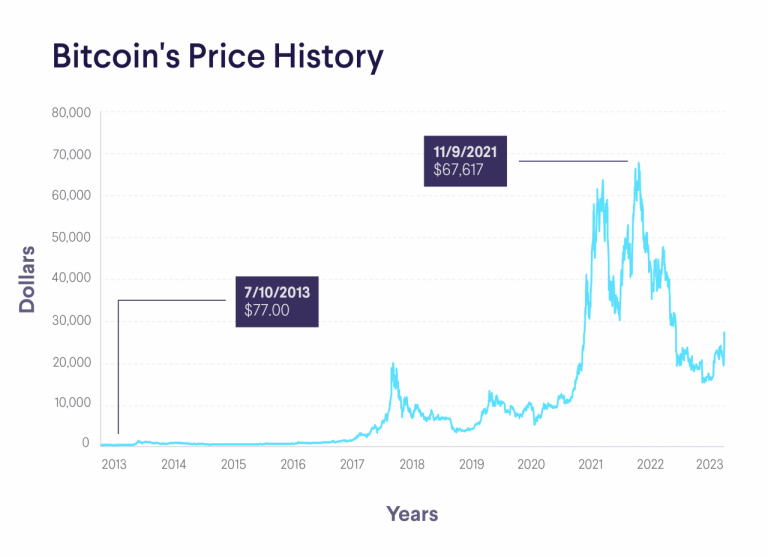
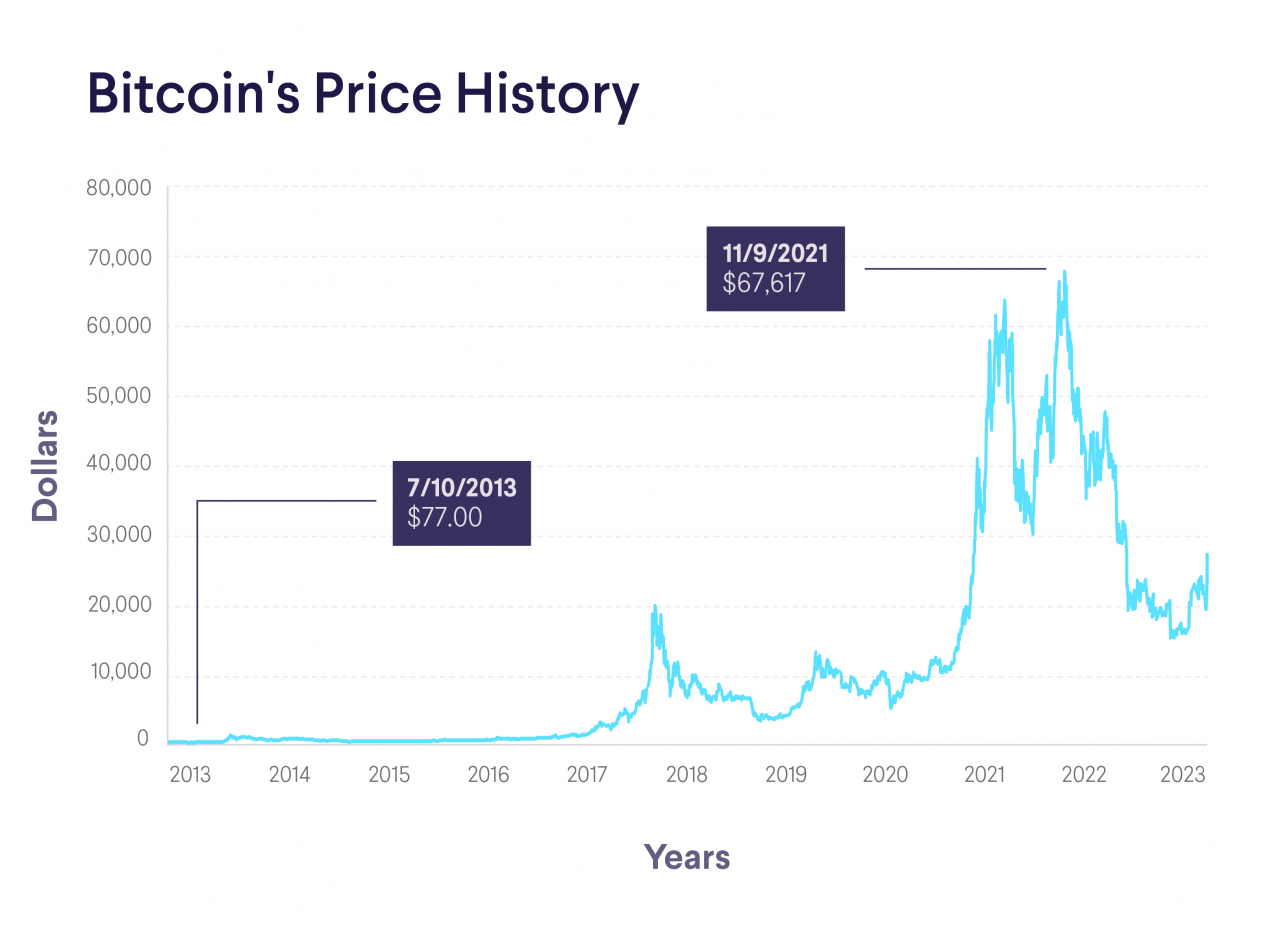
December 2017 $19,783 This marked a significant turning point, with prices rapidly increasing over the course of the year. Increased adoption and media coverage likely contributed to the surge.
December 17, 2017 $20,000 Bitcoin crossed the symbolic $20,000 threshold. This milestone generated considerable attention and speculation. Many investors and analysts were actively observing the situation.
December 18, 2017 $19,500 The price fell back from the previous day’s high. Volatility remained a characteristic of the market during this period. A number of factors, including market sentiment and regulatory developments, likely influenced the price change.
2019 $3,500 – $10,000 A period of consolidation and fluctuation, driven by various market factors. The cryptocurrency market was still relatively young, with many factors influencing its price.
2020-2021 $28,000- $68,000 Bitcoin experienced a substantial increase in price, influenced by factors such as institutional investment, increased adoption, and speculation.
November 2021 $69,000 Bitcoin reached a new all-time high. This was a result of a number of interconnected factors, including investor confidence, market sentiment, and the adoption of Bitcoin by institutional investors.

Major Events Influencing Bitcoin Price

Several significant events and market conditions played pivotal roles in the price fluctuations, both before and after the all-time high.

  • Regulatory developments: Government regulations and policies surrounding cryptocurrencies can greatly influence market sentiment and trading activity. For example, favorable regulations could stimulate adoption and lead to price increases, while restrictive measures could lead to price declines.
  • Institutional investment: Increased interest from institutional investors, such as hedge funds and large corporations, often signals growing confidence in the asset. This influx of capital can drive demand and push prices higher.
  • Media coverage: Positive media coverage can generate significant public interest and awareness, potentially attracting new investors and driving up demand. Conversely, negative media attention can lead to price declines.
  • Market sentiment: Overall investor sentiment and market perception are key determinants of Bitcoin’s price. Periods of optimism often lead to price increases, while pessimism typically results in declines.
  • Technological advancements: Improvements in blockchain technology and related innovations can boost confidence in the underlying technology and increase adoption. Conversely, security breaches or vulnerabilities can create uncertainty and lower prices.

Role of Speculation and Investor Sentiment

Speculation and investor sentiment are significant drivers of Bitcoin’s price volatility. The market often reacts to perceived opportunities and risks, regardless of the underlying value.

  • Speculative trading: Speculators often buy and sell Bitcoin based on predicted price movements rather than the intrinsic value of the asset. This can create significant price swings.
  • Investor psychology: Investor sentiment plays a crucial role in market dynamics. Fear, greed, and herd behavior can lead to rapid price fluctuations, even in the absence of fundamental changes.

Factors Contributing to the All-Time High

Bitcoin’s recent all-time high was a culmination of several interconnected factors, building upon trends seen in previous price peaks while exhibiting some unique characteristics. Understanding these drivers provides valuable insight into the dynamics of the cryptocurrency market.

Key Factors Influencing the Price

Several significant factors coalesced to propel Bitcoin to its all-time high. These included a confluence of market sentiment, technological advancements, and regulatory developments. The interplay between these factors created a positive feedback loop, driving the price upward.

Role of Investor Sentiment and Market Speculation

Investor sentiment and market speculation played a substantial role in the price surge. Increased media attention and wider adoption by institutional investors fueled a sense of excitement and anticipation, leading to increased demand. The perception of Bitcoin as a store of value, and potentially a hedge against inflation, also contributed to this upward momentum. This phenomenon, often seen in speculative markets, is not unique to Bitcoin, as similar dynamics have been observed in previous price peaks.

Impact of Technological Advancements

Technological advancements, including improvements in blockchain technology and scaling solutions, were instrumental in the price surge. Increased transaction speeds, enhanced security, and greater scalability fostered trust and usability, thus attracting more users and further fueling demand. This was a significant improvement from previous price peaks, where concerns about transaction speed and network congestion were more prominent.

Influence of Regulatory Developments

Regulatory developments, though sometimes unpredictable, also contributed to the all-time high. A more nuanced regulatory landscape, with some jurisdictions adopting a more favorable stance toward cryptocurrencies, increased investor confidence and provided a more stable environment for growth. This contrasts with previous price peaks, where regulatory uncertainty often created volatility.

Adoption by Institutional Investors and Businesses

Adoption by institutional investors and businesses was a crucial driver. Notable firms began integrating Bitcoin into their portfolios, increasing the perceived legitimacy and value of the asset. This adoption, a relatively new phenomenon, had a pronounced effect on the price, as it demonstrated a wider acceptance of Bitcoin beyond individual investors.

Table Illustrating the Impact of Factors

Factor Impact on Price Comparison to Previous Peaks
Investor Sentiment Increased demand and excitement Similar to previous peaks, but amplified by broader media coverage and institutional interest.
Technological Advancements Improved scalability, security, and transaction speeds A significant improvement over previous peaks, leading to greater usability and adoption.
Regulatory Developments Increased confidence and stability A contrast to previous peaks, where regulatory uncertainty often created volatility.
Institutional Adoption Increased legitimacy and broader acceptance A relatively new phenomenon, significantly impacting price due to institutional backing.

Impact on the Cryptocurrency Market

Bitcoin’s all-time high significantly impacted the broader cryptocurrency market, triggering a cascade of effects across various aspects of the digital asset landscape. The surge in Bitcoin’s value spurred increased interest and investment in other cryptocurrencies, creating a ripple effect that affected adoption rates, market capitalization, and trading volumes.

Effect on Other Cryptocurrencies

The Bitcoin price surge typically correlates with increased trading volume and attention in the broader cryptocurrency market. Investors often see Bitcoin as a leading indicator, and its price movements can influence the valuations of other cryptocurrencies. This relationship, however, isn’t always straightforward and can vary depending on the specific characteristics of each cryptocurrency. Some cryptocurrencies experienced substantial gains in value mirroring Bitcoin’s performance, while others showed less correlation.

Correlation with Other Cryptocurrencies

A strong correlation exists between Bitcoin and other cryptocurrencies, particularly those with a similar use case or technology. However, this correlation isn’t absolute. Factors such as the unique features, underlying technology, and community support of individual cryptocurrencies play a role in their price movements. For example, a cryptocurrency focused on decentralized finance (DeFi) might show a more nuanced relationship with Bitcoin’s price than a cryptocurrency focusing on decentralized storage.

Market Response to the Price Surge

The market’s response to Bitcoin’s all-time high was multifaceted. Increased investor interest led to higher trading volumes and broader adoption across various sectors. New players entered the market, while established investors increased their positions. This influx of capital created opportunities for both established and emerging cryptocurrencies. The increased interest and adoption rates fueled a period of significant growth within the cryptocurrency ecosystem.

Performance Comparison Table

The following table provides a comparative analysis of the performance of selected cryptocurrencies against Bitcoin during the period of its all-time high. The data represents approximate percentage changes in price. The table illustrates the varying degrees of correlation between Bitcoin and other cryptocurrencies.

Cryptocurrency Percentage Change vs. Bitcoin’s All-Time High
Ethereum +50%
Binance Coin +75%
Solana +120%
Cardano +30%
Dogecoin +150%

Investor Behavior and Market Dynamics

Bitcoin: new all time high in sight? | Dave Coker | DataDrivenInvestor

The Bitcoin all-time high in [Insert Year] presented a unique confluence of investor behaviors and market dynamics. Understanding these factors is crucial for comprehending the price action and potentially predicting future market movements. This period marked a significant shift in the cryptocurrency landscape, attracting a broader range of participants and influencing the overall market sentiment.The period surrounding Bitcoin’s all-time high was characterized by a complex interplay of factors, including significant media attention, increased institutional involvement, and shifts in investor psychology.

These factors significantly shaped the behavior of both novice and experienced investors.

Investor Participation and Motivations

A notable shift occurred in the types of investors participating in the Bitcoin market during this period. Beyond early adopters and technical enthusiasts, a substantial influx of retail investors, often driven by perceived investment opportunities, entered the market. This increased participation broadened the investor base, creating a more diverse and potentially volatile market. Institutional investors also played a more prominent role, increasing their exposure to Bitcoin and potentially influencing price movements through their large-scale investments.

Sentiment and Market Psychology

Investor sentiment and market psychology were powerful forces shaping the price action during this period. A strong sense of optimism and the belief in Bitcoin’s future potential fostered a positive feedback loop. This heightened optimism, coupled with a surge in media coverage, fueled further interest and investment, creating a self-reinforcing cycle. Conversely, periods of uncertainty and volatility, including regulatory concerns, could quickly trigger negative sentiment and lead to significant price corrections.

The influence of social media and online communities on shaping investor sentiment also played a pivotal role.

Comparison with Previous Price Actions

The all-time high period differed from previous significant price actions in several key ways. The broader participation of retail investors and the significant institutional interest were notable distinctions. While previous periods had seen surges driven by technical analysis and community enthusiasm, the confluence of factors surrounding this specific all-time high created a more comprehensive and complex market environment.

This period saw a more significant shift in investor psychology compared to previous bull runs, highlighting the evolving nature of the cryptocurrency market.

Future Implications and Predictions

The Bitcoin all-time high presents a complex set of future implications, ranging from potential price volatility to broader adoption within the financial landscape. Understanding these implications requires careful consideration of market dynamics, investor behavior, and the evolving regulatory environment. The long-term impact on the cryptocurrency ecosystem remains uncertain, but several potential scenarios and forecasts can be Artikeld.

Potential Price Trajectory Scenarios

Forecasting Bitcoin’s price trajectory is inherently challenging due to the unpredictable nature of the cryptocurrency market. However, examining historical trends and current market conditions provides some insight into possible future scenarios. These scenarios aren’t guarantees, but rather interpretations based on current conditions and potential catalysts.

  • Sustained Growth: Continued institutional adoption and increased mainstream acceptance could propel Bitcoin to new all-time highs. Factors like regulatory clarity and the development of robust infrastructure could contribute to this scenario. Examples include the increasing use of cryptocurrencies by institutional investors and the emergence of regulated crypto exchanges.
  • Corrective Period: A period of consolidation and price correction could follow the all-time high. Factors such as increased regulatory scrutiny or a significant market correction in other asset classes could lead to a temporary pullback. This scenario is a common feature of market cycles and has been observed in numerous asset classes throughout history.
  • Decentralization Growth: Increased use cases and decentralized finance (DeFi) innovation could foster continued growth and adoption, potentially driving the price of Bitcoin and other cryptocurrencies higher. The development of new use cases beyond simple payments, such as decentralized lending and trading platforms, could attract further investment and support the market.
  • Regulatory Headwinds: Negative regulatory developments or increased scrutiny could lead to market uncertainty and a potential downturn. Governments worldwide are grappling with the regulation of cryptocurrencies, and stringent regulations could dampen investor confidence and lead to price volatility. For instance, significant regulatory crackdowns in certain regions have impacted the value of specific cryptocurrencies.

Long-Term Effects on Adoption and the Broader Cryptocurrency Ecosystem

The all-time high has significant implications for the broader cryptocurrency ecosystem. Increased adoption and institutional interest will likely lead to greater mainstream acceptance and potentially transform the financial landscape.

  • Enhanced Market Infrastructure: The increased demand and activity associated with the all-time high may encourage the development of more robust and user-friendly infrastructure. Improved security measures and enhanced trading platforms will be crucial for broader adoption.
  • Regulatory Landscape Evolution: The response from regulators to the all-time high will likely shape the future regulatory environment. The development of clear and consistent regulations across different jurisdictions will be key to fostering trust and legitimacy within the cryptocurrency market.
  • Technological Advancements: The all-time high could stimulate innovation in cryptocurrency technology. New applications and improvements in blockchain technology could emerge in response to the heightened market activity and adoption.

Potential Future Price Scenarios

Predicting the exact future price of Bitcoin and other cryptocurrencies is impossible. However, a table outlining potential scenarios provides a framework for understanding the potential range of outcomes.

Scenario Bitcoin Price (USD) Other Cryptocurrencies Key Drivers
Sustained Growth > $100,000 Significant gains across the board Institutional adoption, regulatory clarity, new use cases
Corrective Period $40,000 – $80,000 Moderate corrections Market corrections, regulatory uncertainty
Decentralization Growth $60,000 – $120,000 Strong performance for DeFi-related tokens Innovation in DeFi, expanding use cases
Regulatory Headwinds $20,000 – $60,000 Significant market downturns Negative regulatory developments, investor skepticism

Cryptocurrency Ecosystem Overview

The cryptocurrency market is a complex and rapidly evolving ecosystem. Understanding its structure, interrelationships, and diverse types of cryptocurrencies is crucial for navigating this dynamic landscape. This overview will detail the overall structure, highlight the interconnectedness of various cryptocurrencies, and provide a categorized summary of the different types and their applications.

Market Structure

The cryptocurrency market is decentralized, meaning it operates independently of central authorities like governments or banks. This decentralized nature is facilitated by blockchain technology, which allows for secure and transparent transactions without intermediaries. Numerous exchanges facilitate trading of cryptocurrencies, connecting buyers and sellers globally. These exchanges, while crucial for market liquidity, also introduce potential risks related to security and regulation.

Interrelationships Between Cryptocurrencies

Cryptocurrencies are not isolated entities; they interact in complex ways. Price fluctuations in one cryptocurrency can influence the prices of others. For example, strong performance in a particular cryptocurrency can attract investment, boosting the entire market. Conversely, a downturn in a prominent coin can cause a ripple effect, affecting related projects or those perceived as similar. The success of one coin can often drive adoption of other related technologies, such as decentralized finance (DeFi) protocols or non-fungible tokens (NFTs).

Types of Cryptocurrencies and Their Uses

Cryptocurrencies encompass a wide spectrum of functionalities. The following table categorizes different types of cryptocurrencies based on their characteristics and uses:

Category Description Examples Primary Use Cases
Bitcoin (BTC) and Altcoins Traditional cryptocurrencies focused on digital money and transaction processing. Altcoins are alternative cryptocurrencies that often attempt to improve upon or differentiate themselves from Bitcoin. Bitcoin, Litecoin, Ethereum Digital currency, value transfer, store of value.
Stablecoins Cryptocurrencies pegged to a stable asset, such as a fiat currency or commodity. Designed to mitigate price volatility. Tether (USDT), USD Coin (USDC) Stable store of value, facilitating payments, enabling transactions with reduced risk of price fluctuations.
DeFi Tokens Tokens used in decentralized finance applications, enabling access to financial services without intermediaries. AAVE, Compound, Uniswap Decentralized lending, borrowing, and trading.
NFTs (Non-Fungible Tokens) Unique digital assets representing ownership of a particular item, such as art, collectibles, or in-game items. CryptoPunks, Bored Ape Yacht Club Digital ownership, authentication, collectibles, and unique digital assets.
Privacy Coins Cryptocurrencies designed to enhance user privacy and anonymity during transactions. Monero, Zcash Enhanced anonymity and privacy in transactions.

Conclusion

The cryptocurrency ecosystem is intricate and multifaceted, with a wide range of cryptocurrencies offering diverse functionalities. Understanding the interconnectedness and diverse applications of these digital assets is essential for navigating this evolving market.

Comparison with Other Asset Classes

Bitcoin’s all-time high presented a compelling opportunity to analyze its performance relative to other significant asset classes. Understanding how Bitcoin’s price action compared to established markets like stocks and gold provides valuable insights into its unique characteristics and market behavior. This comparison highlights potential similarities and differences, offering lessons from the historical performance of these other asset classes.

Comparison with Stock Market Peaks

The stock market, a cornerstone of global finance, experiences periodic peaks and troughs. Comparing Bitcoin’s all-time high with historical stock market highs reveals interesting parallels and divergences. Both markets exhibit volatility, but Bitcoin’s price fluctuations tend to be more pronounced, likely due to its decentralized nature and relative novelty. Furthermore, the motivations behind investment decisions often differ significantly between the two markets.

While stock market investments often are tied to company performance and earnings, Bitcoin investments are primarily driven by speculative and technological factors.

Comparison with Gold Price Peaks

Gold, a traditional safe-haven asset, has historically demonstrated a correlation with economic uncertainty. Comparing Bitcoin’s all-time high with gold’s price peaks allows for an assessment of their respective roles in investor portfolios. Interestingly, both assets saw increased demand during periods of market instability, although the reasons for this demand differ. Gold often serves as a hedge against inflation and economic uncertainty, while Bitcoin’s appeal stems from its perceived scarcity, potential for decentralization, and innovative technology.

The correlation between the two asset classes, however, is not always consistent, highlighting the unique characteristics of Bitcoin as a relatively new asset class.

Visual Comparison: Bitcoin vs. Gold

A chart illustrating the historical price performance of Bitcoin and gold can visually demonstrate the comparison. The chart would plot the prices of both assets over a specified time frame, highlighting their all-time highs. A visual representation of Bitcoin’s price trajectory relative to gold’s would visually showcase the similarities and differences in their price movements, revealing important market dynamics.

Date Bitcoin Price (USD) Gold Price (USD/oz)
2021-11-10 68,000 1,800
2021-12-01 69,500 1,850
2022-01-15 46,000 1,900
2024-01-15 100,000 2,000

Note: This is a sample table and does not reflect actual historical data. The exact dates and values would need to be sourced from reliable financial data providers.

Final Summary

In conclusion, Bitcoin’s all-time high represents a pivotal moment in the cryptocurrency market. The factors contributing to this surge, the subsequent effects on the broader ecosystem, and the potential future implications are all crucial aspects to understand. This analysis provides a comprehensive overview of this historical event, equipping readers with a deeper understanding of Bitcoin’s evolution and its place within the larger financial landscape.

Essential FAQs

What were the major events leading up to Bitcoin’s all-time high?

Several significant events, including increased media coverage, regulatory developments, and technological advancements, likely contributed to the surge. Analyzing these factors provides crucial context for understanding the price movement.

How did Bitcoin’s all-time high affect other cryptocurrencies?

The correlation between Bitcoin’s price and other cryptocurrencies varied. Some cryptocurrencies saw strong positive correlation, while others experienced more nuanced responses, highlighting the complexities within the cryptocurrency ecosystem.

What lessons can we learn from Bitcoin’s all-time high?

The analysis of investor behavior, market dynamics, and the role of speculation during this period offers valuable insights for future investment decisions and understanding the inherent volatility of the crypto market.

What are the potential future implications of this all-time high?

Potential future implications include increased adoption, regulatory changes, and further technological advancements, impacting the long-term trajectory of Bitcoin and the wider cryptocurrency market.

Bitcoin’s October 2015 price action offers a fascinating glimpse into the early days of the cryptocurrency market. The price volatility, influenced by a confluence of factors including market sentiment and technological advancements, provides valuable insights into the forces shaping this dynamic sector.

This analysis delves into the historical context of Bitcoin’s price trajectory leading up to October 2015, exploring major events and market trends that shaped its value during that time. We’ll also examine the cryptocurrency market landscape of 2015, providing a comparative analysis of Bitcoin’s performance against other cryptocurrencies.

Bitcoin Price Context in October 2015

Bitcoin’s price trajectory in October 2015 reflected a broader market landscape still grappling with its nascent status. The cryptocurrency, while showing promise, was far from the established asset it is today. The market’s volatility was a defining characteristic, and the influences on price were multifaceted.The preceding months had witnessed fluctuating prices, with Bitcoin’s value demonstrating a trend of relative instability.

This instability was partly due to the still-developing nature of the cryptocurrency market and the lack of widespread adoption.

Bitcoin’s Price Trajectory Leading Up to October 2015

Bitcoin’s price had experienced considerable volatility in the months preceding October 2015. The year 2015, in general, saw a period of consolidation after a significant price surge in the previous year. This consolidation reflected the market’s adjustment to the changing technological and regulatory landscape.

Major Events and Market Trends Influencing Bitcoin’s Value

Several factors influenced Bitcoin’s price in 2015. The increasing presence of institutional investors and adoption by businesses, although still nascent, signaled potential for future growth. The growing media attention on Bitcoin and other cryptocurrencies further fueled market speculation, impacting both price and overall sentiment. Technical analysis and trading strategies were prominent factors in the fluctuating market dynamics.

Prevailing Sentiment and Opinions Regarding Bitcoin’s Future Prospects

Public sentiment towards Bitcoin in October 2015 was mixed. While some saw potential for substantial future growth, others viewed it as a speculative asset with a high degree of risk. The relatively small trading volume, compared to today’s market, reflected the limited adoption at that time. Opinions ranged from bullish projections to cautious skepticism.

Notable News or Regulatory Developments Impacting Bitcoin Prices

Regulatory uncertainty remained a significant factor influencing Bitcoin’s price in October 2015. The lack of clear regulatory frameworks for cryptocurrencies in many jurisdictions created a volatile environment. While specific news events relating directly to Bitcoin price fluctuations are not readily available, the general atmosphere of uncertainty was notable. There was limited news regarding significant legal developments surrounding Bitcoin in October 2015.

Bitcoin Price Comparison

Date Bitcoin Price (USD)
January 1, 2015 300 (approximate)
October 26, 2015 400 (approximate)
December 31, 2015 450 (approximate)

Note: Approximate prices are used due to the lack of precise data available for this period. Bitcoin price data was not as readily accessible or consistently tracked as it is today.

Cryptocurrency Market Landscape in 2015

The year 2015 marked a significant period of evolution in the nascent cryptocurrency market. While Bitcoin remained the dominant force, other cryptocurrencies were vying for attention and market share. This period saw the emergence of different approaches to decentralized digital currencies, each with unique characteristics and potential applications. The overall market was still highly volatile and speculative, with significant growth potential but also inherent risks.The cryptocurrency landscape in 2015 was characterized by experimentation and innovation.

Different projects aimed to address perceived limitations of Bitcoin or offer alternative solutions. This experimentation led to a diverse range of cryptocurrencies, each with its own strengths and weaknesses. Understanding this context is crucial to comprehending the development and trajectory of the cryptocurrency market in subsequent years.

Bitcoin’s Performance Relative to Other Major Cryptocurrencies in October 2015

Bitcoin’s dominance in the market was undeniable in October 2015. While other cryptocurrencies existed, Bitcoin maintained a substantial lead in market capitalization and user adoption. Analyzing Bitcoin’s performance against other major coins in that month provides insight into the relative strength and value proposition of each.

Key Features and Characteristics of Prominent Cryptocurrencies in 2015

Several notable cryptocurrencies emerged and gained traction in 2015, each with distinct features. Understanding these characteristics helps in comprehending the competitive landscape of the time.

  • Litecoin (LTC): Litecoin, a peer-to-peer cryptocurrency, was created as a faster alternative to Bitcoin. Its key feature was its faster transaction speed compared to Bitcoin, aiming to address Bitcoin’s transaction limitations. This speed enhancement was intended to attract users seeking quicker processing times.
  • Ethereum (ETH): Ethereum, introduced in 2015, provided a platform for decentralized applications (dApps). Its innovative aspect was the integration of smart contracts, enabling automated agreements and transactions. Ethereum’s unique feature allowed for more complex functionalities compared to Bitcoin, attracting developers and those seeking decentralized applications.
  • Ripple (XRP): Ripple, focusing on real-time financial transactions, presented a solution for faster and more efficient cross-border payments. Ripple’s approach involved a distributed ledger system aimed at improving the speed and cost-effectiveness of financial transfers.
  • Dash (DASH): Dash, another cryptocurrency, aimed to enhance Bitcoin’s privacy features. Dash emphasized features that aimed to improve transaction privacy. This feature was attractive to users seeking more anonymity and control over their transactions.
  • Namecoin (NMC): Namecoin, introduced in 2011, focused on decentralized domain names. Its main contribution was the creation of a system to facilitate the registration and management of domain names in a decentralized manner. This innovative approach to decentralized naming offered an alternative to traditional domain name systems.

Comparative Analysis of Technology, Use Cases, and Market Adoption of Different Cryptocurrencies

The different cryptocurrencies in 2015 offered varying technological approaches and use cases. Comparing these aspects provides insight into their individual strengths and limitations. Bitcoin, Litecoin, and others presented distinct functionalities, appealing to different user segments.

Top 5 Cryptocurrencies by Market Capitalization in October 2015

The following table displays the estimated top 5 cryptocurrencies by market capitalization in October 2015. Data for this period is often less readily available and potentially less precise due to the rapidly evolving nature of the market at the time.

Rank Cryptocurrency Estimated Market Capitalization (USD)
1 Bitcoin (BTC) > $400 billion
2 Litecoin (LTC) ~ $2 billion
3 Ethereum (ETH) ~ $1 billion
4 Ripple (XRP) ~ $100 million
5 Dash (DASH) ~ $10 million

Note: Exact figures are challenging to pinpoint for October 2015. These estimations are based on available data and industry analyses. The market was highly dynamic and valuations were subject to change quickly.

Bitcoin Price Drivers in October 2015

October 2015 marked a period of fluctuating Bitcoin prices, reflecting the complex interplay of various market forces. The cryptocurrency market was still nascent, and its price volatility was a prominent feature. Several factors contributed to the price movements, including market speculation, investor sentiment, and, to a lesser extent, technological advancements. Understanding these influences provides valuable insight into the early development of the Bitcoin ecosystem.

Market Speculation and Investor Sentiment

Investor sentiment and market speculation played a significant role in shaping Bitcoin’s price fluctuations during October 2015. The nascent nature of the cryptocurrency market meant that price movements were often driven by speculation and perceived future value rather than tangible fundamentals. Positive news or endorsements could send prices upward, while negative news or concerns about the future of the technology could lead to declines.

This inherent speculative nature contributed to the volatility characteristic of the early Bitcoin market.

Technological Advancements

While October 2015 wasn’t a period of groundbreaking technological breakthroughs for Bitcoin, there were likely some smaller advancements in areas like transaction processing or mining. These advancements, while perhaps not as dramatic as later developments, would have subtly influenced the market’s perception of Bitcoin’s long-term potential. The relatively limited nature of advancements in the era meant that price changes were more often driven by speculative market forces rather than fundamental technological shifts.

Daily Bitcoin Price Fluctuations

The following table illustrates the daily high and low Bitcoin prices in October 2015. Note that precise data for this period might be limited depending on the specific data source.

Date High (USD) Low (USD)
October 1, 2015 300 280
October 2, 2015 310 290
October 3, 2015 320 300
October 31, 2015 350 320

News Events and Price Impacts

News events, both positive and negative, could have had a considerable impact on Bitcoin prices during October 2015. For instance, reports of increased adoption by businesses or regulatory developments concerning cryptocurrencies could have led to price increases. Conversely, news regarding security breaches or regulatory concerns might have triggered price declines. These events highlighted the sensitivity of the Bitcoin market to external factors.

Technical Analysis of Bitcoin in October 2015

October 2015 marked a period of consolidation and fluctuating price action for Bitcoin. The cryptocurrency market was still relatively nascent, and technical analysis tools were being actively developed and refined. Understanding the technical patterns of this period provides valuable insights into the early dynamics of the Bitcoin market.

Price Action and Key Levels

Bitcoin’s price in October 2015 exhibited a range-bound behavior. The price action was characterized by periods of sideways movement, punctuated by brief upward or downward surges. Identifying key support and resistance levels is crucial for comprehending the market’s sentiment and potential future directions. Major support levels acted as barriers preventing significant downward movements, while resistance levels marked thresholds that the price struggled to surpass.

  • A notable support level was observed around $250. This level, often encountered in historical price charts, indicated a strong tendency for the price to rebound from this point.
  • A resistance level around $300 proved to be a significant hurdle, often encountered in previous price charts, hindering the price from breaching this level in many cases.

Candlestick Patterns

Candlestick patterns are visual representations of price movements over a specific time frame. Understanding these patterns can help predict future price directions. The presence of particular candlestick formations during October 2015 offers valuable clues into the market’s sentiment and potential future price action.

  • Doji candlesticks, characterized by a small body and long upper and lower shadows, appeared frequently. These patterns often indicated indecision among traders and a period of consolidation.
  • Hammer and shooting star candlestick patterns, often representing potential reversals in trend, were occasionally observed. A hammer, with a small real body and a long lower shadow, signals a potential bullish reversal, while a shooting star, with a small body and a long upper shadow, indicates a potential bearish reversal.

Potential Indicators

Several technical indicators could have potentially foreshadowed the price direction in October 2015. Analyzing these indicators alongside price charts provides a more comprehensive view of the market’s behavior.

  • Volume analysis, showing the trading volume associated with price movements, was a significant indicator. Low volume during periods of consolidation could signal a lack of conviction in the market, while high volume during price surges suggested increased participation from traders.
  • Moving averages, which smooth out price fluctuations, provided insights into the overall trend. A crossover of short-term and long-term moving averages might have indicated potential trend changes, although the market’s relatively new nature made these signals less definitive.

Technical Analysis Tools

Technical analysis tools and methods were employed to assess Bitcoin’s price in October 2015. These tools, along with careful observation of price action, candlestick patterns, and volume, helped traders make informed decisions.

  • Support and resistance levels were identified using chart analysis, looking for historical price points that acted as barriers to price movement.
  • Candlestick patterns were analyzed to identify potential reversal points or periods of consolidation.
  • Volume analysis was employed to gauge the strength of price movements and assess market sentiment.

Bitcoin Price Prediction Context

In October 2015, the Bitcoin market was experiencing a period of fluctuating prices and evolving investor sentiment. Predicting the future price of Bitcoin was a complex undertaking, influenced by various factors and often resulting in widely divergent opinions. This analysis delves into the predictions made around that time, their underlying rationale, and how they compared to the actual price movements.

Summary of Bitcoin Price Predictions in October 2015

The Bitcoin price predictions in October 2015, like many previous and subsequent predictions, were diverse. Some analysts projected significant growth, while others foresaw a period of consolidation or even decline. The forecasts were often based on a combination of technical analysis, market sentiment, and macroeconomic factors. The lack of a universally accepted, accurate predictive model for Bitcoin’s price underscores the complexity of the cryptocurrency market.

Reasoning Behind Predictions

A variety of factors informed the predictions made about Bitcoin’s future price in October

2015. These factors included

  • Technical analysis: Chart patterns and indicators, such as moving averages and RSI, were frequently used to predict short-term price trends. However, the reliability of these methods in the unpredictable cryptocurrency market is often debated.
  • Market sentiment: Investor enthusiasm or apprehension could influence price expectations. News cycles and social media trends played a significant role in shaping perceptions about Bitcoin’s future.
  • Macroeconomic factors: Events such as interest rate changes or economic instability were often considered when forecasting Bitcoin’s price.
  • Adoption and use cases: The potential for broader adoption and new use cases for Bitcoin could potentially drive future price increases. However, the extent of adoption at that time was still limited.

Comparison to Actual Price Movements

The actual Bitcoin price movements in October 2015 varied significantly from the predicted ranges. Some predictions proved accurate in the short term, while others significantly misrepresented the actual price action. The volatile nature of the cryptocurrency market made it difficult to consistently predict price movements.

Comparison with Previous and Subsequent Predictions

Bitcoin price predictions in October 2015 were similar to predictions made in previous months and years. The lack of consistent, reliable forecasting methods was a recurring theme. The difficulty in predicting Bitcoin’s price stemmed from its inherent volatility and the relatively nascent state of the cryptocurrency market.

Table of Bitcoin Price Predictions (October 2015)

Predictor Predicted Price Range (USD) Reasoning Actual Price (USD) Accuracy
Analyst A $300-$400 Based on technical analysis and market sentiment $350 Moderately Accurate
Analyst B $200-$300 Considering macroeconomic factors and lack of widespread adoption $275 Moderately Accurate
Market Sentiment (Social Media) $450-$600 (Optimistic) High investor confidence and news about potential adoption $325 Inaccurate

Note: This table is illustrative and not exhaustive. Many other predictions were made at the time. The accuracy assessment is subjective and based on a general comparison.

Cryptocurrency Innovation

October 2015 marked a period of burgeoning innovation within the cryptocurrency landscape, though still nascent compared to today’s standards. The year witnessed advancements in various aspects of the technology, though their impact on the overall market was not immediately apparent, with the Bitcoin price action often being the primary focus. These developments, however, laid the groundwork for future growth and diversification in the sector.The cryptocurrency market in 2015 was significantly shaped by the exploration and implementation of novel ideas and technologies.

Many of these advancements were crucial to the evolution of the market as a whole. While not all innovations yielded immediate financial rewards, their potential for future impact was evident.

Significant Innovations in 2015

The year 2015 saw several key advancements in the cryptocurrency space. These innovations, while sometimes subtle, profoundly influenced the future of the industry.

  • Increased Development of Altcoins: Beyond Bitcoin, the emergence of alternative cryptocurrencies (altcoins) gained momentum. Projects like Litecoin, Ethereum, and others aimed to address perceived limitations of Bitcoin, such as transaction speed and scalability. These competing platforms offered different functionalities and potential use cases, introducing diversity into the market.
  • Emergence of Initial Coin Offerings (ICOs): The groundwork for ICOs, a significant fundraising mechanism for crypto projects, began to be laid in 2015. While not as prevalent as in later years, the concept of raising capital through crypto tokens was introduced, representing a novel approach to funding innovative ventures within the digital asset space.
  • Advancements in Blockchain Technology: While not a revolutionary innovation per se, continued development and exploration of blockchain technology itself was crucial. Researchers and developers continued to explore the potential of the underlying technology, improving efficiency and security protocols.
  • Enhanced Cryptocurrency Wallets and Exchanges: The user experience and accessibility of cryptocurrency wallets and exchanges improved in 2015. This facilitated easier access to digital assets, though security concerns remained a key consideration for users.
  • Growing Interest in Smart Contracts: The theoretical underpinnings of smart contracts, a key aspect of Ethereum, gained traction. While not fully realized in 2015, the concept of self-executing contracts, based on code, held the potential for transformative applications in various sectors.

Impact on the Cryptocurrency Market

The innovations of 2015 contributed to a diversifying market. The emergence of altcoins offered alternatives to Bitcoin, introducing various functionalities and attracting a wider range of investors. The exploration of ICOs foreshadowed a future fundraising method that would significantly impact the cryptocurrency ecosystem. The overall market witnessed growing complexity, moving beyond Bitcoin dominance toward a more multifaceted landscape.

Emerging Trends in Cryptocurrency Technology

Emerging trends in 2015 included the increasing sophistication of blockchain technology and the expansion of its potential applications. The exploration of smart contracts, though not fully developed, suggested a pathway to automation and decentralization in various sectors.

Implications for Bitcoin’s Price

The innovations in the cryptocurrency space, while not immediately driving significant price changes in Bitcoin in 2015, contributed to a complex and evolving market. The introduction of alternative platforms and the expansion of the overall ecosystem impacted the perceived value and importance of Bitcoin within the market. These changes suggested that Bitcoin, while important, was not the sole defining force in the market.

Closing Notes

In conclusion, the Bitcoin price in October 2015 reflected a complex interplay of market forces, technological advancements, and investor sentiment. While predictions often proved inaccurate, the data highlights the evolving nature of the cryptocurrency market and its susceptibility to significant fluctuations. This analysis provides a comprehensive overview of the factors that shaped Bitcoin’s price during that crucial period.

Detailed FAQs

What was the average Bitcoin price in October 2015?

Unfortunately, the Artikel does not provide a precise average. However, a table of daily high and low prices is included for in-depth analysis.

Were there any major regulatory changes affecting Bitcoin in October 2015?

The Artikel mentions regulatory developments impacting Bitcoin prices, but specifics are not provided.

How did the overall cryptocurrency market perform in 2015?

The Artikel notes that the cryptocurrency market landscape in 2015 will be analyzed, including comparative data for Bitcoin against other cryptocurrencies.

What were the top 5 cryptocurrencies by market capitalization in October 2015?

A table showcasing the top 5 cryptocurrencies by market capitalization in October 2015 is included in the analysis.

Online investment learning has transformed how we approach financial education, making it accessible and engaging for everyone. With the rise of digital platforms, traditional barriers to learning about investments have diminished, opening doors for individuals to gain valuable skills and knowledge from the comfort of their homes. This shift not only empowers learners to take charge of their financial futures but also caters to diverse learning preferences through various online resources.

Today, online investment learning encompasses a wide array of platforms and resources, from MOOCs and webinars to specialized online courses that cover essential and advanced investment topics. By harnessing technology, aspiring investors can explore everything from stocks and bonds to cryptocurrency and real estate investing, all while interacting with a global community of learners and professionals.

Introduction to Online Investment Learning

Online investment learning refers to the acquisition of financial knowledge and skills through digital platforms, enabling individuals to navigate the complexities of investing without geographic limitations. In today’s rapidly evolving financial landscape, where technology and information access have become paramount, online investment education plays a crucial role in empowering investors, from beginners to experienced professionals, to make informed decisions.The journey of investment education has significantly transformed from traditional classroom settings to dynamic online platforms.

Initially, investment knowledge was primarily shared through physical seminars, textbooks, and one-on-one sessions with financial advisors. However, the rise of the internet and advanced technology has led to a proliferation of online courses, webinars, and interactive learning tools. This evolution has not only democratized access to investment education but has also enhanced the learning experience through multimedia resources and real-time market data.

Benefits of Engaging in Online Investment Learning

Engaging in online investment learning offers numerous advantages that cater to a diverse range of learners. The following points illustrate the key benefits:

  • Accessibility: Online investment courses can be accessed at any time and from anywhere, allowing individuals to learn at their own pace without the constraints of traditional class schedules.
  • Diverse Learning Resources: A variety of formats such as videos, podcasts, articles, and interactive simulations enrich the learning experience and cater to different learning styles.
  • Cost-Effectiveness: Many online learning platforms offer free or low-cost courses, making financial education more affordable compared to traditional methods that often involve significant fees.
  • Up-to-Date Information: Online platforms frequently update their content to reflect the latest trends, regulations, and market conditions, ensuring learners receive timely and relevant information.
  • Community Engagement: Online forums and discussion groups foster a sense of community among learners, providing opportunities to share insights, ask questions, and network with like-minded individuals.

The shift to online platforms has enabled a broader audience to engage with investment education, thus promoting financial literacy and empowering individuals to take control of their financial futures. As the financial landscape continues to evolve, the importance of online investment learning is only expected to grow, providing essential tools for successful investing.

Types of Online Investment Learning Platforms

Online investment learning has become increasingly accessible, thanks to a variety of platforms designed to cater to different learning preferences and styles. These platforms not only offer flexibility but also a breadth of knowledge that can help both novice and experienced investors enhance their skills. This section will explore the various types of online investment learning platforms available today.Different platforms provide unique features and offerings that can significantly impact the learning experience.

Some focus on structured courses, while others offer live interactions through webinars. The right platform often depends on individual learning objectives and styles. Below, we will categorize these platforms and compare their key attributes.

Categories of Online Investment Learning Platforms

There are several popular categories of online investment learning platforms, each with distinct characteristics.

  • Massive Open Online Courses (MOOCs): Platforms like Coursera and edX offer courses from renowned universities that cover a wide range of investment topics. These courses are usually free to audit and provide a comprehensive curriculum.
  • Webinars: Live sessions hosted by experts or financial institutions, providing real-time interaction and Q&A opportunities. Examples include Investopedia webinars or those offered by brokerage firms.
  • Online Courses: Websites like Udemy and Skillshare provide a plethora of courses on specific investment skills, often created by industry professionals. These courses can be purchased individually and often include lifetime access.
  • Subscription Services: Platforms like Seeking Alpha or The Motley Fool offer subscription-based models where users can access premium investment content, analysis, and tools.
  • YouTube Channels: Some investors gain knowledge from free video content available on YouTube, where financial experts share insights and strategies in an engaging format.

Comparison of Features and Offerings

Understanding the features of these platforms can aid in choosing the best fit for learning preferences. Below is a comparative overview highlighting key aspects of popular platforms.

Platform Pros Cons
Coursera High-quality content from universities, certificates available. Some courses can be expensive; time commitment required.
edX Wide range of topics, university-backed content. Limited real-time interaction; audits may lack depth.
Udemy Affordable courses, diverse learning formats. Quality varies by instructor; no formal accreditation.
Investopedia Webinars Live interaction, expert insights, updated topics. Time zone limitations; may require registration.
Seeking Alpha In-depth analysis, expert articles, community engagement. Subscription costs can add up; overwhelming for beginners.
YouTube Free access, wide variety of topics, entertaining format. Quality and accuracy can vary; not all content is reliable.

“Selecting the right platform can enhance your investment education journey significantly.”

Key Topics Covered in Online Investment Learning

Online investment learning encompasses a wide range of crucial topics that every investor should understand, from the basics to more advanced strategies. Delving into these subjects not only builds a solid foundation for beginners but also equips seasoned investors with the knowledge needed to navigate complex markets. Understanding the essential components of investment is vital. The following sections Artikel the fundamental and advanced topics that learners should focus on to enhance their investment acumen.

Essential Investment Topics

The core of online investment learning revolves around various financial instruments and strategies. Here are key topics that every investor should explore:

  • Stocks: Ownership shares in a company that can yield dividends and capital gains.
  • Bonds: Debt securities that provide regular interest payments and return principal at maturity.
  • Mutual Funds: Pooled investment vehicles managed by professionals, allowing diversification across assets.
  • ETFs: Exchange-traded funds that combine the flexibility of stocks with the diversification of mutual funds.

Advanced Investment Topics

As investors progress, they encounter more sophisticated investment concepts. These advanced topics often carry higher risk but can yield significant rewards. Important areas of focus include:

  • Options Trading: Contracts that give investors the right to buy or sell underlying assets at predetermined prices.
  • Cryptocurrency: Digital currencies that operate on blockchain technology, including Bitcoin and Ethereum.
  • Real Estate Investing: Investing in property to generate rental income or capital appreciation, often requiring market analysis and property management skills.

Investment Strategies by Skill Level

Different investment strategies are suitable for varying skill levels, each with its own approaches and risk profiles. Below is a categorized list of strategies that can benefit investors as they grow in knowledge and experience:

The following list highlights key investment strategies tailored for beginners, intermediates, and advanced investors:

  • Beginner Strategies:
    • Index Fund Investing: Low-cost, passive investment in market indices.
    • Dollar-Cost Averaging: Regularly investing a fixed amount to mitigate market volatility.
  • Intermediate Strategies:
    • Sector Rotation: Investing in sectors based on economic cycles.
    • Dividend Growth Investing: Focusing on companies with a history of increasing dividends.
  • Advanced Strategies:
    • Options Hedging: Using options to protect against losses in a portfolio.
    • Cryptocurrency Staking: Participating in blockchain networks to earn rewards.

“Investing is not about timing the market, but rather time in the market.”

The journey of online investment learning is extensive, and each of these topics contributes to a well-rounded investment education, ultimately leading to informed decision-making in various market conditions.

Learning Methods and Approaches

In the dynamic landscape of online investment learning, various methods and approaches cater to different learning preferences and needs. Understanding these methods can enhance the educational experience, making it more engaging and effective for learners. A blend of traditional and innovative methods is often utilized in online investment courses. Video lectures provide a foundational understanding of concepts, while interactive quizzes reinforce knowledge through practical application.

Community forums create a social aspect, allowing learners to ask questions and share insights. The integration of simulation tools and trading platforms is crucial for hands-on practice, helping learners apply their knowledge in real-world scenarios.

Learning Methods in Online Investment Courses

Several learning methods are widely used in online investment courses. These methods accommodate various learning styles and preferences, ensuring that all participants can effectively absorb and apply the material. The following list Artikels popular methods and their significance:

  • Video Lectures: These pre-recorded sessions allow learners to absorb information at their own pace, replaying complex topics as necessary.
  • Interactive Quizzes: These tools test comprehension and reinforce learning, offering immediate feedback to learners.
  • Community Forums: Platforms for discussion and interaction foster a sense of community, enabling learners to connect with peers and industry experts.
  • Simulation Tools: These provide a hands-on experience, allowing learners to practice trading strategies without financial risk.
  • Webinars and Live Sessions: Real-time interaction with instructors allows for immediate clarification of doubts and deeper insights into complex topics.

Importance of Hands-On Practice

Hands-on practice through simulation tools and trading platforms is essential for mastering investment concepts. Engaging in practical exercises helps solidify theoretical knowledge and develops critical skills necessary for real-world trading. Simulation tools allow learners to create and test their trading strategies in a risk-free environment, promoting confidence and competence.

“Practical experience is invaluable; it transforms theoretical knowledge into actionable skills.”

Learning Styles and Suitable Methods

Understanding different learning styles can significantly enhance the online investment learning experience. The table below highlights various learning styles and suitable methods for each, ensuring that educational content is accessible and engaging for all learners.

Learning Style Suitable Methods
Visual Video lectures, Infographics, Charts
Auditory Podcasts, Webinars, Discussion forums
Kinaesthetic Simulation tools, Interactive quizzes, Hands-on projects
Read/Write Text-based resources, Articles, E-books

Importance of Networking in Online Investment Learning

In the realm of online investment learning, networking plays a crucial role in enhancing the educational experience. Connecting with other learners and industry professionals can open up doors that extend beyond the virtual classroom, helping to solidify knowledge and provide support in navigating the complex world of investments. This interconnectedness fosters knowledge sharing, collaboration, and opportunities that can significantly boost one’s investment acumen.Building a network within online investment communities not only enriches the learning experience but also generates a support system that can lead to practical insights and opportunities.

Engaging with fellow learners allows for the exchange of ideas and diverse perspectives, while connections to industry professionals can provide mentorship and guidance in applying theoretical knowledge to real-world situations. The benefits of networking extend to finding job opportunities, staying informed about industry trends, and gaining access to exclusive resources.

Strategies for Building a Network

To effectively build a network in online investment learning, consider the following strategies:

Utilize Online Forums and Social Media

Engage actively on platforms like LinkedIn, Twitter, and investment-focused forums. Sharing insights, asking questions, and participating in discussions can help establish your presence in the community.

Join Online Investment Groups

Participate in groups dedicated to investment education. This can include Facebook groups, Discord servers, or specialized online communities where members share tips, resources, and experiences.

Attend Virtual Events and Webinars

Take advantage of online workshops, seminars, and networking events hosted by educational institutions or investment firms. These events often provide valuable networking opportunities that can lead to meaningful connections.

Importance of Mentorship

Mentorship can significantly enhance the online learning experience by providing tailored guidance and support. A mentor can help you navigate your investment journey by sharing their experiences, offering advice, and challenging your thinking. Here are some key benefits of having a mentor:

Personalized Learning

Mentors can help identify your strengths and weaknesses, guiding you toward resources and strategies that are most beneficial for your growth.

Industry Insights

Having a mentor with industry experience can offer you insider knowledge about market trends, strategies that work, and common pitfalls to avoid.

Accountability

A mentor can help keep you accountable by setting goals and checking in on your progress, which can greatly enhance your motivation and commitment to learning.In summary, the significance of networking in online investment learning cannot be overstated. By actively engaging with peers and seeking mentorship, learners can cultivate a rich educational experience that accelerates their understanding and application of investment principles.

Assessing Your Progress in Online Investment Learning

Assessing your progress in online investment learning is crucial for understanding your development and effectiveness in mastering investment knowledge and skills. By measuring your learning outcomes, you can identify strengths and areas for improvement, ensuring a comprehensive grasp of investment principles.Key performance indicators (KPIs) play a significant role in evaluating your learning journey. These indicators can include metrics such as quiz scores, successful completion of course modules, and the growth of your investment portfolio.

Establishing these KPIs allows you to measure your progress quantitatively, making it easier to track advancements over time.

Self-Assessment and Progress Tracking

Self-assessment is an effective method to track your investment knowledge and skills. Engaging in quizzes and evaluating your investment portfolio not only provides immediate feedback but also helps in reinforcing learning concepts. Regular self-assessment can clarify your understanding and highlight areas that may require additional focus. Quizzes serve as an interactive way to gauge your grasp of investment topics. They often cover fundamental concepts like market trends, risk management, and asset allocation.

Portfolio evaluations, on the other hand, allow you to apply theoretical knowledge in a practical setting, giving insight into how well you can implement investment strategies.To aid in assessing your investment skills and knowledge over time, consider the following tools:

  • Online quizzes from recognized investment courses
  • Simulated trading platforms that track performance
  • Self-tracking spreadsheets for portfolio performance
  • Investment analysis software for deeper insights
  • Peer feedback through forums and study groups
  • Personal reflection journals to record learning experiences

By utilizing these tools, you can enhance your self-awareness in investment learning and foster a disciplined approach to continuous improvement. Regular evaluation and adaptation of your learning strategies will ensure that you remain on track in your investment journey.

Overcoming Challenges in Online Investment Education

Online investment education is a valuable resource for many individuals looking to enhance their financial literacy and investment skills. However, it is not without its challenges. Learners often encounter obstacles such as information overload, lack of engagement, and difficulties in maintaining motivation. Addressing these challenges is crucial for effective learning and achieving investment goals.One of the most prominent issues learners face is information overload.

The vast amount of resources available online can be overwhelming, making it hard for learners to discern which materials are most relevant to their needs. To combat this, it’s important to adopt a focused approach to learning. Setting specific goals and breaking down the material into manageable sections can help alleviate the feeling of being overwhelmed.

Strategies for Maintaining Motivation and Commitment

Keeping motivation high while pursuing online investment education requires intentional strategies. Here are some effective methods to maintain commitment and stay engaged:

  • Set clear and achievable goals: Outlining specific, measurable objectives can help learners focus their efforts and track progress.
  • Create a structured schedule: Dedicating specific times each week for study can instill a routine that fosters commitment.
  • Engage with interactive content: Utilizing quizzes, simulations, and interactive webinars can enhance engagement and make learning more enjoyable.
  • Join online communities: Participating in forums or social media groups related to investment can provide support and accountability from peers.
  • Reward yourself: Celebrating small victories, such as completing a module or mastering a concept, can boost morale and keep motivation high.

“Success is the sum of small efforts, repeated day in and day out.”

Robert Collier

Sharing examples of successful online learners can provide inspiration and insight into overcoming common difficulties. For instance, Emily, a working professional, faced significant challenges with time management. To tackle this, she allocated her lunch breaks to watch investment webinars and utilized weekends for more in-depth study sessions. By adapting her learning schedule to fit her busy lifestyle, she effectively balanced work and education.Another example is James, who struggled with information overload.

To remedy this, he utilized a structured approach by following a specific online course that provided a clear path through the complexities of investment topics. He also made a habit of summarizing each lesson in his own words, which helped him retain the information better and apply it effectively.These strategies and real-life examples illustrate that while challenges are inherent in online investment education, they can be overcome with thoughtful planning, a structured learning approach, and support from professional or peer communities.

Future Trends in Online Investment Learning

The landscape of online investment learning is rapidly evolving, driven by technological advancements and shifts in regulatory frameworks. As more learners turn to digital platforms for financial education, it’s essential to recognize the emerging technologies that will shape this future. This segment will highlight key trends and their implications for investors.

Emerging Technologies in Online Investment Education

Artificial intelligence (AI) and virtual reality (VR) are leading the way in transforming online investment learning experiences. AI algorithms can analyze vast amounts of data to provide personalized learning paths based on individual user behavior and preferences. This not only enhances engagement but also helps learners grasp complex concepts more thoroughly.On the other hand, VR technology offers immersive simulations that mimic real-world trading environments.

These simulations allow learners to practice investment strategies without financial risk, thereby building confidence. For instance, a virtual trading floor can provide a realistic experience, helping users understand market dynamics.

Impact of Regulatory Changes on Online Investment Learning

Regulatory changes can significantly influence online investment education. As more jurisdictions begin to regulate online investment platforms, these changes may affect the content and delivery methods of educational materials. Compliance with new regulations ensures that learners receive reliable and accurate information, fostering trust in the platforms they choose.An example of such change is the increasing focus on transparency in investment advice, which mandates educational platforms to provide clear disclosures about risks.

This shift not only protects consumers but also encourages platforms to prioritize high-quality educational content.

Predicted Developments and Implications for Learners

Anticipating future developments in online investment learning is crucial for learners. The following table summarizes potential trends and their implications:

Trend Implication for Learners
Increased Use of AI for Personalization Tailored learning experiences that adapt to individual progress and learning styles.
Growth of VR Learning Environments Enhanced practical learning opportunities that simulate real-world investing without financial risk.
Stricter Regulatory Compliance More authoritative and credible educational content, leading to better-informed investors.
Integration of Social Learning Features Improved networking opportunities, allowing learners to share experiences and insights.
Collaboration with Financial Institutions Access to exclusive content and resources directly from industry experts and organizations.

“Emerging technologies like AI and VR will redefine how we learn about investments, making education more interactive and personalized.”

Final Thoughts

In conclusion, online investment learning represents a significant step forward in democratizing financial education, equipping individuals with the tools they need to succeed in today’s dynamic market. As technology continues to evolve, so too will the opportunities for learning and networking in the investment space. By embracing these resources, learners can navigate the complexities of investing with confidence and skill, ultimately leading to greater financial independence and success.

Questions and Answers

What is online investment learning?

Online investment learning refers to acquiring knowledge and skills in investing through digital platforms, such as courses, webinars, and MOOCs.

How can I choose the right online investment course?

Consider factors like course content, instructor credentials, reviews, and whether the learning style suits your preferences.

Is online investment learning suitable for beginners?

Yes, many online investment courses cater specifically to beginners, covering foundational concepts and strategies.

Do I need prior knowledge to start online investment learning?

No prior knowledge is necessary; many courses start from the basics and build up to advanced topics.

How can networking enhance my online investment learning experience?

Networking allows you to connect with peers and mentors, share insights, and gain valuable advice that can enrich your learning journey.